Yamaha Unveils 2026 YZF-R7 in Thailand, Ushering in a New Era of Mid-Weight Supersport Performance and Advanced Electronics

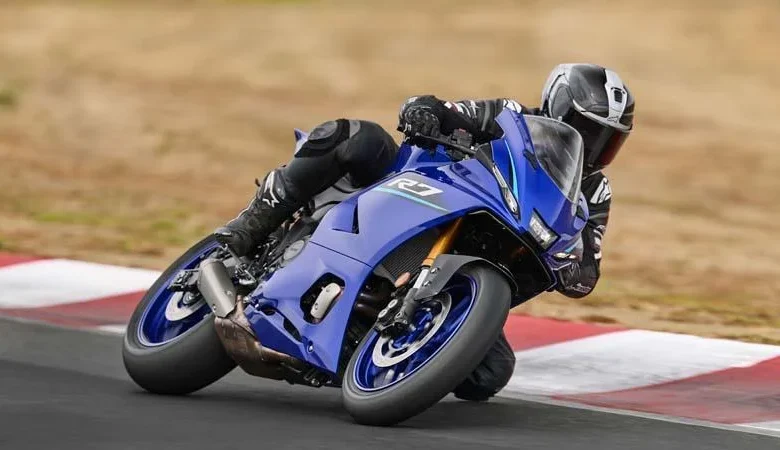
Yamaha has officially launched the highly anticipated 2026 YZF-R7 in Thailand, expanding its celebrated R-Series lineup and strategically positioning the new model between the popular YZF-R3 and the potent YZF-R9. This latest iteration of the R7 promises a compelling blend of accessible supersport performance, refined aesthetics, and a significant leap forward in electronic rider aids, aiming to capture the attention of both seasoned enthusiasts and those aspiring to enter the performance motorcycle segment.
A Strategic Market Entry and Pricing
The introduction of the 2026 Yamaha YZF-R7 in Thailand marks a significant development for the mid-weight supersport category in the Southeast Asian market. Priced at 345,000 Thai Baht, which translates to approximately USD 9,450 at current exchange rates, the R7 is positioned as a premium offering within its class. This pricing strategy suggests Yamaha’s intent to compete at the higher end of the mid-size sportbike segment, offering a package that justifies its cost through advanced technology and performance capabilities.
Adding to the allure, Yamaha is also offering a special 70th Anniversary Edition of the YZF-R7. This commemorative model, adorned in the iconic Anniversary White livery that pays homage to Yamaha’s rich racing heritage, comes with a slightly elevated price tag of 348,000 Thai Baht (approximately USD 9,530). This special edition caters to collectors and dedicated Yamaha fans, reinforcing the brand’s legacy in motorsport. The strategic choice of Thailand for this launch is not coincidental; the country boasts a vibrant motorcycle culture and a strong demand for sportbikes, making it an ideal testing ground and key market for Yamaha’s new offerings.
Redesigned for Aerodynamic Excellence and Aggressive Aesthetics
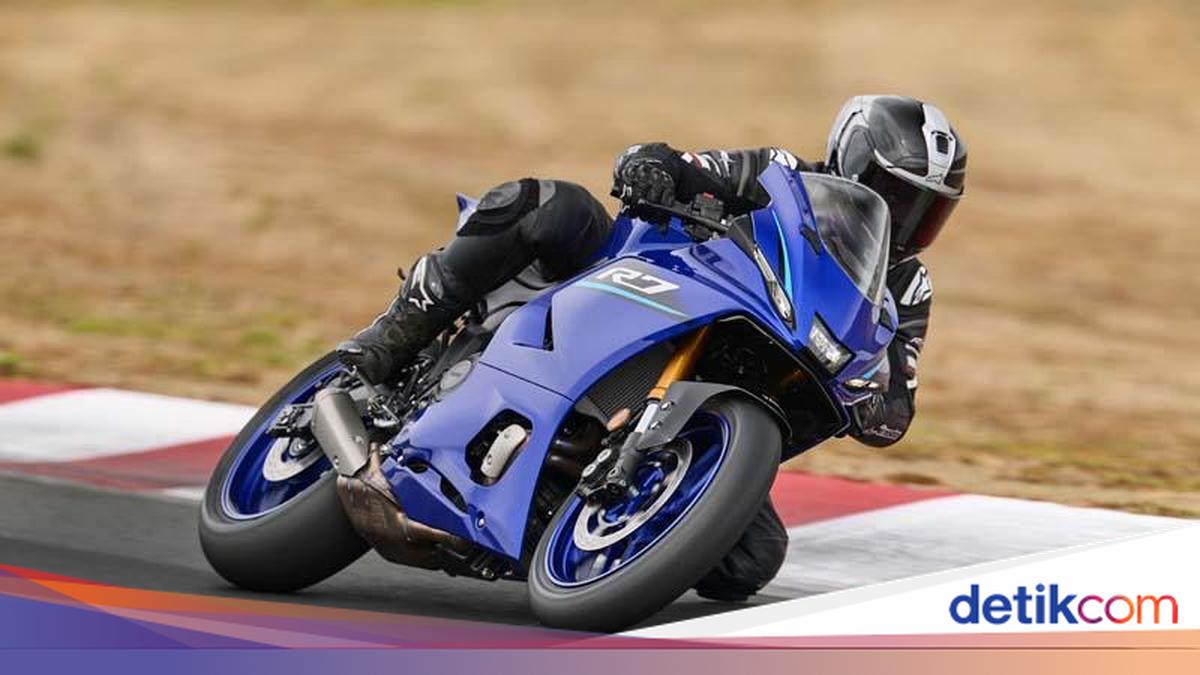
Yamaha has meticulously refined the YZF-R7’s design for the 2026 model year, focusing on aerodynamic efficiency and a sharper, more aggressive R-Series family resemblance. The fairing has undergone a significant redesign, featuring a slimmer and more aerodynamic profile. This enhancement is not merely aesthetic; it is engineered to improve stability and rider comfort at higher speeds, a critical consideration for both track day enthusiasts and long-distance tourers. The overarching design philosophy, encapsulated by Yamaha’s "Beauty of Turning Control," emphasizes sharp lines and a performance-oriented stance.
The front fascia has been updated with a minimalist headlight design, seamlessly integrated into the bodywork, which contributes to the bike’s aggressive and focused appearance. New body lines further accentuate the sportbike’s dynamic profile, creating a visual narrative of speed and agility. These design updates collectively aim to elevate the YZF-R7’s visual appeal, ensuring it stands out in a competitive segment and aligns with the cutting-edge design language of its R-Series siblings.
Powertrain: The Proven CP2 Engine at its Core
At the heart of the 2026 Yamaha YZF-R7 lies the highly acclaimed CP2 (Crossplane 2) engine. This liquid-cooled, 689cc DOHC parallel-twin engine, renowned for its unique crossplane crankshaft design, continues to be the driving force behind the R7’s performance. It generates a robust 73.4 PS (approximately 72.3 horsepower) at 8,750 rpm and a substantial peak torque of 68 Nm (approximately 50.1 lb-ft).
The CP2 engine’s character is a key selling point. Its strong torque delivery across the low to mid-range RPMs makes the YZF-R7 exceptionally tractable and user-friendly. This predictable and accessible powerband is crucial for a motorcycle designed for a wide range of applications, from navigating urban traffic and embarking on spirited tours to confidently exiting corners on a racetrack. The engine’s inherent flexibility ensures that riders can extract thrilling performance without the need for constant gear changes, contributing to a more engaging and less fatiguing riding experience.
A Technological Leap Forward: Advanced Electronics Package
The most significant advancements in the 2026 Yamaha YZF-R7 are found in its sophisticated electronic rider aid suite, a testament to Yamaha’s commitment to integrating cutting-edge technology into its performance motorcycles. The inclusion of the Yamaha Chip Controlled Throttle (YCC-T) system marks a pivotal upgrade. This ride-by-wire system provides highly precise throttle control, which not only enhances the riding feel but also serves as the foundational platform for a host of advanced electronic features.
For the first time in the YZF-R7’s lineage, Yamaha has incorporated a six-axis Inertial Measurement Unit (IMU), a technology directly derived from the flagship YZF-R1 superbike. This advanced sensor suite enables the motorcycle’s electronic systems to monitor the bike’s lean angle, pitch, and yaw in real-time. This granular data allows for highly sophisticated interventions from the safety systems, adapting their operation based on the motorcycle’s precise orientation in space.
Comprehensive Safety and Performance Enhancements
The integration of the IMU unlocks a new level of safety and performance control for the YZF-R7. Yamaha’s proprietary Yamaha Ride Control (YRC) system now offers riders five distinct riding modes: Sport, Street, Rain, Custom, and Track. Each mode is meticulously calibrated to alter throttle response, power delivery, and the intervention levels of the electronic aids, allowing riders to tailor the bike’s characteristics to their preferences and the prevailing conditions.
Beyond the YRC system, the R7 is equipped with a comprehensive array of electronic rider aids designed to enhance both safety and performance. These include:
- Traction Control System (TCS): Monitors rear wheel slip and intervenes to maintain grip.
- Slide Control System (SCS): Allows for controlled slides under acceleration, particularly useful for experienced riders on track.
- Lift Control System (LCS): Manages front wheel lift during acceleration.
- Engine Brake Management (EBM): Adjusts engine braking characteristics for smoother deceleration.
- Brake Control (BC): Optimizes braking performance, potentially offering cornering ABS functionality.
- Back Slip Regulator (BSR): Works in conjunction with the slipper clutch to manage rear wheel chatter under aggressive downshifts.
For track-focused riders, Yamaha has included a bidirectional quick shifter, enabling seamless upshifts and downshifts without the need to operate the clutch. A Launch Control system is also integrated to optimize acceleration from a standing start, ensuring maximum performance off the line. Furthermore, a "Rear ABS OFF" function provides experienced track riders with the ability to disable the rear anti-lock braking system for more dynamic cornering and braking techniques.
Enhanced Rider Interface and Connectivity
The 2026 YZF-R7 features a modern 5-inch full-color TFT instrument display. This vibrant screen offers four distinct display layouts, providing riders with clear and easily accessible information. Crucially, the TFT display serves as the central hub for managing the Yamaha Ride Control (YRC) settings, allowing riders to adjust their chosen riding modes directly from the dashboard.
Further enhancing the rider experience is the integration of Yamaha’s Y-Connect connectivity platform. This system allows riders to pair their smartphone with the motorcycle, enabling a range of functionalities. These include receiving notifications for incoming calls and messages directly on the TFT display, as well as accessing vital vehicle data. For those who frequent the racetrack, the Y-Connect system extends to the Y-TRAC (Track Ride Analysis) feature. This advanced telemetry tool can record lap times, analyze riding data, and provide a virtual pit board, empowering riders to meticulously review their performance and identify areas for improvement.
Color Options and Market Availability
The 2026 Yamaha YZF-R7 will be available in two standard color options: the classic Icon Blue and the sophisticated Midnight Black. These choices cater to a broad spectrum of rider preferences. The limited-edition 70th Anniversary model, with its distinctive white livery, offers a unique opportunity for enthusiasts to own a piece of Yamaha’s storied racing history.
The launch in Thailand is the initial step in the YZF-R7’s global rollout. Yamaha is expected to introduce the updated model to other key markets in the coming months. The enhanced electronic suite and refined design are anticipated to significantly boost the R7’s appeal in the competitive mid-weight supersport segment, where it will contend with established rivals from other manufacturers.
Implications and Market Position
The 2026 Yamaha YZF-R7’s debut signifies Yamaha’s strategic intent to solidify its presence in the mid-weight sportbike segment. By equipping the R7 with a sophisticated electronic package previously reserved for higher-displacement motorcycles, Yamaha is not only elevating the R7’s performance ceiling but also democratizing access to advanced rider aids. This move is likely to influence competitor strategies, potentially spurring further innovation in the class.
The R7’s positioning as a versatile supersport – capable of daily commuting, touring, and track day enjoyment – broadens its appeal beyond hardcore sportbike enthusiasts. The emphasis on rider control and sophisticated electronic interventions suggests a focus on making performance more accessible and safer for a wider range of riders. This approach could attract new riders to the sportbike category, as well as provide a compelling upgrade path for those seeking more advanced technology and a refined riding experience. The successful reception of the YZF-R7 in Thailand will be a key indicator of its global market potential and its impact on the evolving landscape of mid-weight performance motorcycles.