Geely Prepares Major Performance Upgrade for Galaxy EX5 SUV Ahead of September 2026 Global Launch

Geely is gearing up for a significant mid-cycle refresh of its flagship electric SUV, the Galaxy E5, known globally as the EX5. As the automotive giant prepares for an official market debut in China on September 23, 2026, details have emerged regarding a series of substantial technical and aesthetic revisions. While the visual changes are subtle enough to maintain the vehicle’s recognizable identity, the engineering overhaul positions the model to be a more formidable contender in the rapidly evolving compact electric SUV segment.
A Subtle Evolution in Exterior Aesthetics
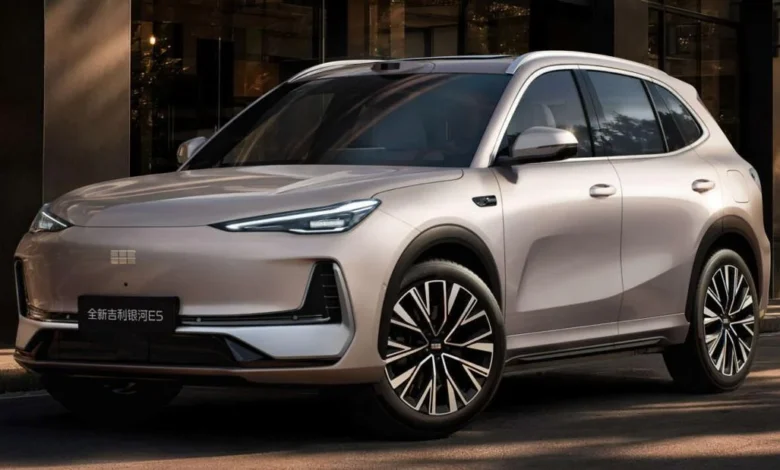
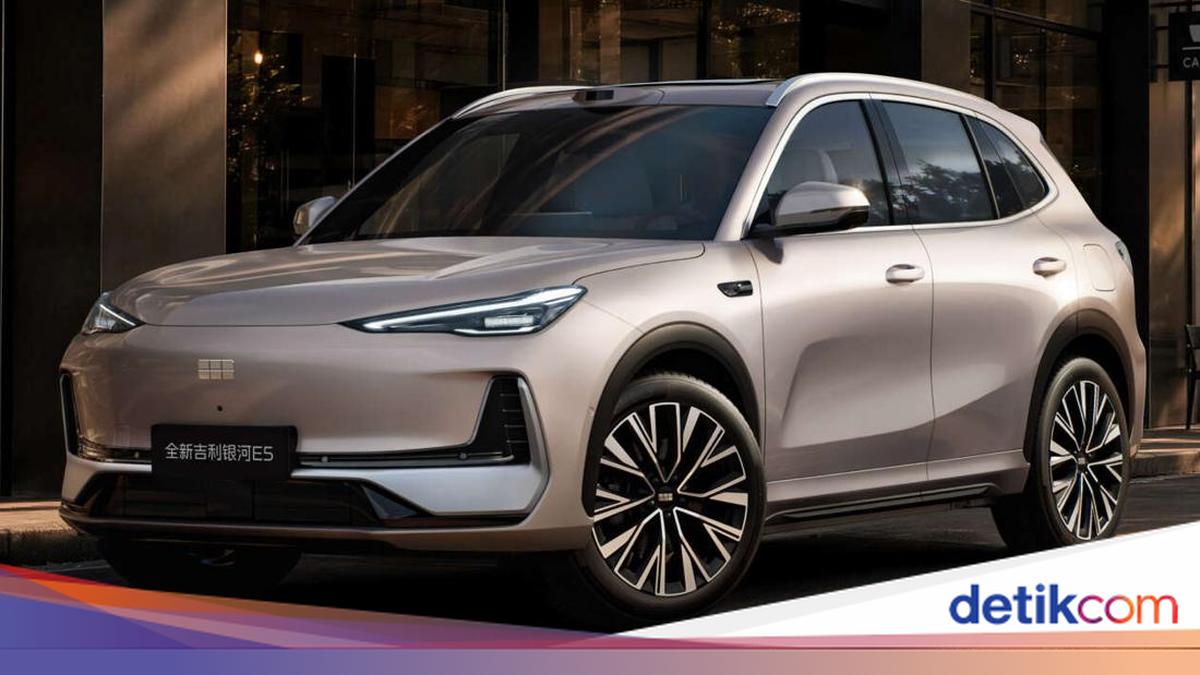
The 2026 facelift of the Geely EX5 retains the core silhouette that has made it a popular choice for urban commuters, but introduces several refined design cues. The most prominent change is located at the front fascia, where a redesigned bumper incorporates a sleek, black accent that stretches across the lower section of the headlights, flowing seamlessly into the bumper’s side contours. This design element integrates with the vehicle’s air curtain vents, serving both a functional role in aerodynamic efficiency and a stylistic purpose in modernizing the front profile.
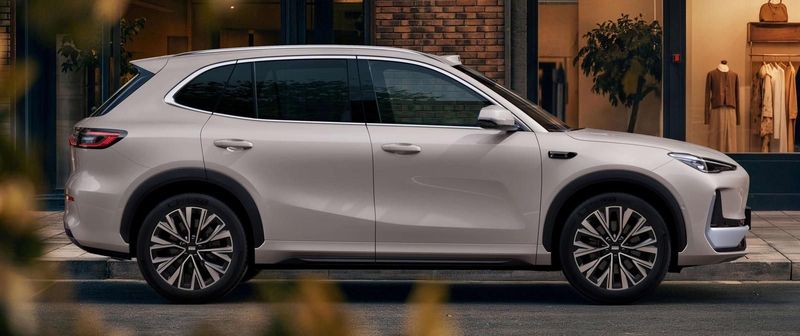
Beneath the primary air intake, a robust silver-colored chin guard has been added, providing the vehicle with a more aggressive, rugged stance while housing the central intake system. Geely has also diversified its wheel options, introducing new alloy designs in 18-inch and 19-inch configurations to cater to different trim levels.
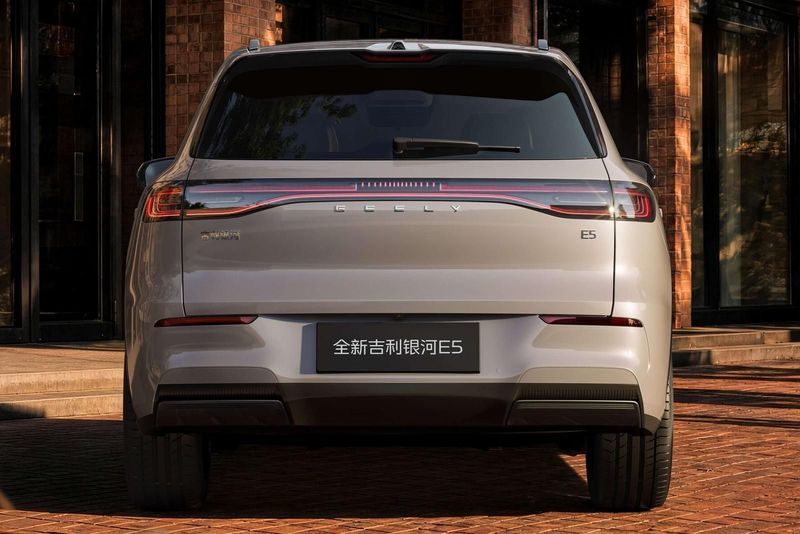
The physical footprint of the vehicle has also seen minor adjustments. The refreshed EX5 measures 4,636 mm in length and 1,920 mm in width, marking an increase of 21 mm and 19 mm respectively compared to its predecessor. Despite these changes to the exterior dimensions, the height remains fixed at 1,670 mm, and the wheelbase remains consistent at 2,750 mm, ensuring that the interior cabin volume—a key selling point for the model—remains uncompromised.
Interior Refinements and Ergonomic Shifts
Inside the cabin, Geely has opted for a measured approach to modernization. The most noticeable departure from the current model is the steering wheel. The unique two-spoke design of the previous iteration has been replaced with a more traditional three-spoke configuration, a change likely driven by consumer feedback seeking a more intuitive driving interface. Furthermore, the upholstery patterns on the seating have been updated with premium materials to elevate the cabin’s tactile experience.
The core technology suite, which has been highly praised in previous reviews, remains largely intact. This includes the highly comfortable "zero gravity" passenger seat featuring integrated ottomans, a expansive panoramic sunroof, a 10.2-inch digital instrument cluster, and a dominant 15.4-inch central infotainment display. Convenience features such as the head-up display, high-speed wireless charging pads, and the tactile multifunction control knob are retained, ensuring that the user experience remains familiar yet polished.
Engineering Leap: Power and Propulsion
The most significant transformation of the EX5 facelift occurs beneath the body panels. Industry reports indicate that the electric motor’s output has been substantially upgraded, with power jumping from 218 PS to an impressive 333 PS. This power increase is expected to drastically improve the SUV’s acceleration, with estimates suggesting that the 0-100 km/h sprint time could drop from the current 6.9 seconds to the low-five-second range.
In a strategic shift, Geely has relocated the electric motor to the rear, transitioning the EX5 to a rear-wheel-drive (RWD) platform. This architectural change not only improves the vehicle’s driving dynamics and weight distribution but also provides a practical benefit: the elimination of front-drive components has significantly expanded the front trunk, or "frunk," offering owners more storage flexibility.
Battery Technology and Charging Infrastructure
Beyond the motor, the facelifted EX5 will feature Geely’s latest generation of Lithium Iron Phosphate (LFP) battery technology. While official capacity specifications have not yet been finalized, there is strong speculation that the vehicle will adopt an 800-volt electrical architecture. If implemented, this would allow for ultra-fast charging capabilities exceeding 200 kW, potentially reducing charging times from 10% to 80% to under 20 minutes under ideal conditions.
For the Chinese domestic market, the vehicle is expected to feature the advanced G-Pilot H5 driver assistance system. This system will integrate high-resolution LiDAR sensors and a suite of auxiliary cameras, representing a major step forward in Geely’s pursuit of Level 2+ autonomous driving capabilities.
Market Context and Strategic Implications
The Galaxy EX5 has emerged as a cornerstone of Geely’s electric vehicle (EV) strategy. Since its initial introduction, the model has gained traction for its balance of performance, luxury features, and competitive pricing. The upcoming facelift is viewed by analysts as a defensive and offensive maneuver; as competitors like BYD and Tesla continue to refine their compact SUV offerings, Geely is leveraging its R&D capabilities to keep the EX5 ahead of the curve.
The move toward an 800-volt architecture and increased motor output reflects a broader trend in the automotive industry, where manufacturers are shifting focus from simply providing "adequate" EV performance to offering high-performance, long-range capabilities that challenge traditional internal combustion engine vehicles.
Timeline and Global Outlook
While the official launch is set for late September 2026 in China, the rollout strategy for international markets remains a subject of close observation. Geely has already established a footprint for the current version of the EX5 in Indonesia, where it is positioned as a key pillar of the company’s regional electrification strategy.
Industry experts note that the success of the facelift in the Indonesian market—and other emerging markets—will depend largely on the localization of the G-Pilot system and the availability of the upgraded charging infrastructure. As of now, there is no official word from Geely regarding when these updates will reach Southeast Asian showrooms, but given the region’s growing appetite for premium electric SUVs, an announcement is anticipated in the first half of 2027.
Analyst Perspective: The Competitive Landscape
Automotive analysts suggest that Geely’s decision to prioritize RWD architecture and enhanced charging speeds is a direct response to changing consumer preferences. "The market for compact electric SUVs is becoming saturated," notes one industry analyst. "To maintain market share, OEMs must provide more than just range; they must provide a driving experience that feels premium. By moving the motor to the rear and boosting power to over 300 horsepower, Geely is effectively repositioning the EX5 from a basic commuter car to a performance-oriented family vehicle."
The inclusion of LiDAR and advanced software stacks also signals Geely’s commitment to the "software-defined vehicle" trend. By upgrading the G-Pilot system, Geely is ensuring that the EX5 remains relevant in the eyes of tech-savvy consumers who prioritize safety and connectivity.
Conclusion
As the September 23, 2026 launch date approaches, all eyes will be on the final pricing and trim specifications of the Galaxy EX5 facelift. By combining subtle exterior refinements with a complete overhaul of the powertrain and electrical architecture, Geely is signaling a bold direction for its flagship model. Whether these improvements will translate into continued dominance in the competitive electric SUV landscape remains to be seen, but the technical specifications suggest that the EX5 is well-positioned to maintain its status as a benchmark in the segment. For now, consumers and industry observers await the official unveiling to see how these ambitious engineering goals manifest in the final production model.
Related posts: