Adhisty Zara Embraces Motherhood with Glamorous Maternity Photoshoot Ahead of First Child Birth

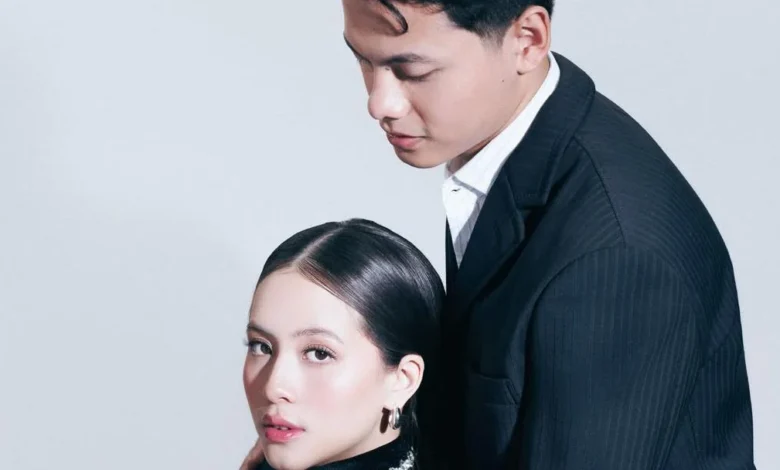
Jakarta — Actress and former JKT48 member Adhisty Zara is entering a deeply transformative chapter in her life as she eagerly awaits the arrival of her first child. Marking this significant milestone, Zara and her husband, Abdullah Tsaqib, recently shared a series of striking maternity portraits on social media that have quickly captured the public’s attention and drawn admiration from fans and peers alike. The couple, visibly radiant and overflowing with anticipation, showcased a refined aesthetic that blends modern glamour with the timeless elegance of impending parenthood.
The photoshoot, published on Zara’s official Instagram account @zaraadhisty, represents a departure from traditional, subdued maternity concepts. Instead, the 23-year-old artist opted for a high-fashion, glamorous visual narrative that highlights her pregnancy journey. This artistic choice not only reflects her personal evolution in the public eye but also mirrors a broader trend among contemporary Indonesian celebrities who utilize professional photography to document and celebrate major life transitions.
A Closer Look at the Glamorous Styling
In the widely discussed images, Zara is seen wearing an intricate two-piece ensemble designed to accentuate her baby bump. The outfit features a chic bolero paired with a layered mermaid-style skirt, creating a silhouette that is both dramatic and sophisticated. Elevating the luxury quotient of the look, the ensemble is accented with sparkling beaded detailing on both the belt and a statement necklace, catching the light and adding a layer of red-carpet-ready flair to the maternity session.
Complementing the elaborate wardrobe, Zara’s beauty styling remained intentionally understated yet impeccably polished. Her hair was arranged in a simple yet refined manner, allowing the intricate details of her outfit and the natural glow of her pregnancy to take center stage. Her makeup featured a fresh, vibrant aesthetic, highlighted by a coral-toned lipstick that added warmth and youthfulness to her overall appearance.
Beside her, Abdullah Tsaqib offered a study in classic elegance, dressed in a tailored black suit that provided a sharp, sophisticated contrast to Zara’s luminous ensemble. The couple’s chemistry and shared excitement were palpable in every frame, capturing a genuine moment of joy as they prepare to transition into parenthood.
Chronology of a Public Journey: From Idol to Expectant Mother
Adhisty Zara’s path to this milestone has been closely followed by the Indonesian public for years. Rising to prominence as a teenage member of the renowned idol group JKT48, Zara successfully transitioned into a critically acclaimed acting career. Her breakout film roles, most notably in the box-office hit Dua Garis Biru—a movie that poignantly explored the complexities of teenage pregnancy—ironically mirror the profound themes of her current real-life journey.
Over the past several years, Zara’s career has continued to evolve through various film and digital series projects. However, her transition into marriage with Abdullah Tsaqib and the subsequent announcement of her pregnancy mark a definitive shift toward a more private, family-oriented chapter. The timeline leading up to this recent maternity shoot has been characterized by gradual announcements, beginning with the revelation of her pregnancy, followed by milestone updates, and culminating in these professionally curated photographs that signal she is in the final trimester of her term.
Public Reaction and Social Media Engagement
The release of the maternity portraits triggered an immediate wave of digital engagement across various social media platforms. Within hours of posting, the images accumulated hundreds of thousands of likes and thousands of congratulatory comments from fellow celebrities, public figures, and dedicated fans.
Industry colleagues praised Zara for maintaining her signature fashion-forward sensibility while celebrating maternity, noting that the imagery breaks away from conventional, conservative maternity tropes in Indonesian celebrity culture. Meanwhile, long-time fans who have watched Zara grow from a young idol performer into a married expectant mother expressed a deep sense of nostalgia and emotional investment in her personal happiness. The overwhelmingly positive public reception underscores Zara’s enduring popularity and the public’s fascination with her life milestones.
The Cultural Shift in Celebrity Maternity Documentation
The style and presentation of Adhisty Zara’s maternity shoot reflect a broader evolution in how Indonesian public figures approach pregnancy announcements and documentation. In the past, maternity photography in the region tended to favor minimalist studio setups or traditional cultural attire. Today, driven by the influence of global fashion standards and the demands of digital platforms like Instagram, celebrity maternity shoots have transformed into high-concept artistic productions.
Stylists, professional photographers, and high-end fashion designers are frequently enlisted to create bespoke looks that rival magazine covers. For young artists like Zara, these sessions serve a dual purpose: they function as a personal keepsake for the family and as a powerful branding tool that showcases personal growth, maturity, and aesthetic versatility. By embracing high glamour, Zara successfully communicates a narrative of empowerment and confidence in her changing body.
Implications and Future Outlook for the Family
As Adhisty Zara and Abdullah Tsaqib prepare for the final weeks leading up to the birth of their child, the focus naturally shifts toward the practical and emotional implications of expanding their family. Entering parenthood at age 23 represents a major milestone that will inevitably influence Zara’s personal priorities and career trajectory in the entertainment industry.
In the Indonesian entertainment landscape, young mothers often face unique challenges in balancing demanding production schedules with child-rearing responsibilities. However, many contemporary actresses have successfully navigated this transition by adopting more selective project choices or leveraging their digital platforms to build lifestyle and parenting-oriented personal brands. Zara’s openness in sharing her pregnancy journey suggests she may continue to engage with her audience through the lens of young motherhood, sharing insights and experiences with a demographic of fans who are growing up alongside her.
Industry analysts note that major life events such as marriage and the birth of a first child often serve to humanize public figures, deepening their connection with audiences and opening new avenues for commercial partnerships, particularly in the maternity, baby care, and family lifestyle sectors. While Zara has yet to disclose specific details regarding her upcoming postpartum plans or a potential timeline for returning to active filming, the overwhelming public support indicates a receptive audience awaiting her next steps.
For now, the primary focus for the couple remains the health, safety, and joyous anticipation of welcoming their new addition. Through their recent photographic showcase, Adhisty Zara and Abdullah Tsaqib have not only commemorated a deeply personal chapter but have also invited their vast community of supporters to share in the celebration of new life, resilience, and enduring happiness.
Related posts: