Dewa United Spearheads Initiative for Comprehensive Athlete Welfare Foundation, Calls for National Commitment Following ‘Clash of Legends’ Event

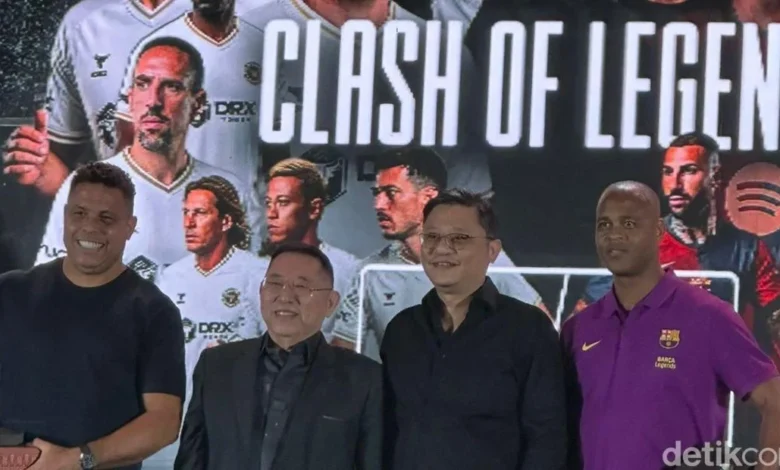
Jakarta, Indonesia – In a significant move set to redefine athlete welfare in Indonesia, Dewa United, a prominent football club, has stepped forward to champion the establishment of a dedicated foundation aimed at safeguarding the long-term well-being of retired athletes. The initiative, publicly articulated by club owner Jerry Hermawan Lo, emerged during the high-profile "Clash of Legends" event in Jakarta, drawing attention to a critical issue that has long plagued the nation’s sporting heroes. Lo’s impassioned plea, made in the presence of global football luminaries and key Indonesian sports and military officials, underscores a growing recognition of the urgent need for a structured support system for athletes beyond their competitive years.
The "Clash of Legends," a highly anticipated exhibition match featuring an array of legendary football figures, served as a powerful backdrop for this crucial discussion. Held on April 18, 2026, the event saw a star-studded lineup including iconic names such as Brazil’s Ronaldo and Rivaldo, alongside Italy’s Alessandro Del Piero, participating in a captivating contest between Barcelona Legends and DRX World Legends. The preceding evening, Friday, April 17, 2026, at the Fairmont Hotel Ballroom in Jakarta, hosted a gala dinner where Jerry Hermawan Lo seized the opportunity to address an esteemed audience. This gathering included Head of the Army Staff (KSAD) General TNI Maruli Simanjuntak, Chief of General Staff of the TNI (Kasum TNI) Lt. Gen. Richard Tampubolon, and the Chairman of the Football Association of Indonesia (PSSI), Erick Thohir, signaling the national importance of the discussions at hand.
Jerry Hermawan Lo articulated a profound sympathy for former athletes, highlighting the inherent paradox of their careers. "Athletes pursue an extraordinary profession, one that demands immense dedication and sacrifice," Lo stated, "However, their productive careers are inherently short-lived. The irony lies in the harsh reality that when athletes enter retirement, a significant number find themselves grappling with severe economic hardship." This statement resonated deeply, tapping into a collective awareness of the often-overlooked struggles faced by individuals who once brought glory to the nation. The sentiment reflects a broader understanding that while athletes captivate audiences and inspire national pride, the systems in place to support them once their peak performance years conclude are often woefully inadequate.
A History of Hardship: The Plight of Indonesian Sporting Icons
Indonesia’s sporting history is replete with tales of former champions who, despite their illustrious careers, have faced significant economic and health challenges in their post-retirement lives. These narratives serve as poignant reminders of the systemic gaps in athlete welfare. Lo specifically cited several heart-wrenching examples that are well-known to the Indonesian public, illustrating the pervasive nature of the problem across different sports disciplines.
One such case is that of the late Verawaty Fajrin, a legendary badminton player whose remarkable achievements on the court brought immense pride to Indonesia. In her later years, as she battled a debilitating illness, Fajrin was reportedly forced to sell her cherished badminton rackets – symbols of her glorious past – to cover medical expenses. Her struggle became a national outcry, exposing the lack of robust health insurance and social security mechanisms for even the most decorated athletes. Her story is a stark reminder that national heroes, once celebrated, can become forgotten in their time of need, left to navigate complex and costly healthcare systems with little to no institutional support.
Another poignant example is Ellyas Pical, Indonesia’s first world boxing champion. Pical, who held the IBF Junior Bantamweight title, captivated the nation with his electrifying performances in the ring. Yet, after retiring from boxing, he too encountered severe financial difficulties. Reports detailed his struggles, including taking on various odd jobs, a stark contrast to the global recognition and financial success enjoyed by many international boxing champions. Pical’s trajectory highlights the absence of financial literacy training, investment opportunities, or pension schemes that could provide a stable income for athletes after their professional careers end, often abruptly due to age, injury, or declining performance. His story, like Fajrin’s, underscores the urgent need for comprehensive post-career planning and support.
More recently, the football community has witnessed the unfortunate circumstances of Kurnia Meiga, a former goalkeeper for the Indonesian national team. Meiga’s promising career was tragically cut short by papilledema, a severe eye condition that left him with impaired vision. His illness not only ended his playing days prematurely but also plunged him and his family into financial distress, necessitating public appeals for assistance. Meiga’s case resonates deeply within the football fraternity, demonstrating how a sudden, career-ending illness can devastate an athlete’s life in the absence of adequate medical insurance, disability benefits, and a safety net to facilitate transition into a new livelihood. These individual stories collectively paint a grim picture of a national sporting ecosystem that, while adept at nurturing talent, has historically failed to protect its most valuable assets in their most vulnerable moments.
The Call to Action: "Merah Putih Peduli Atlet"
Moved by these persistent challenges and the personal narratives of suffering, Jerry Hermawan Lo issued a resolute call to action. "Indonesian athletes must no longer live in misery in their old age," he declared, his words carrying the weight of a national imperative. His statement was not merely an expression of sympathy but a concrete proposal for institutional change. He then publicly committed to leading this charge: "Perhaps with this appeal tonight, I am ready to stand at the very forefront to establish an association or a foundation, ‘Merah Putih Peduli Atlet’ (Red and White Cares for Athletes). I stand at the forefront."
The proposed "Merah Putih Peduli Atlet" foundation envisions a comprehensive support mechanism designed to address the multifaceted challenges faced by retired athletes. Such an entity would extend beyond mere financial handouts, aiming to provide a holistic framework for post-career well-being. This could encompass:
- Financial Aid and Social Security: Establishing a fund for direct financial assistance, pension schemes, or micro-grants to help retired athletes cover basic living expenses, medical costs, or start small businesses.
- Medical and Health Support: Providing access to affordable healthcare, specialized medical treatments, and long-term health insurance, particularly for conditions sustained during their sporting careers.
- Career Transition Programs: Offering vocational training, educational scholarships, and skill development initiatives to equip athletes with new competencies for alternative careers outside of sports. This could include coaching certifications, sports management courses, media training, or entrepreneurship workshops.
- Psychological and Mental Health Support: Recognizing the emotional toll of retirement and the potential for identity loss, the foundation could offer counseling services, mentorship programs, and support groups to help athletes adjust to life after competition.
- Advocacy and Policy Influence: Working with government bodies, sports federations, and other stakeholders to advocate for policy reforms that institutionalize athlete welfare, including improved social security benefits, mandatory insurance, and clearer guidelines for clubs regarding post-career support.
- Housing and Livelihood Assistance: Exploring initiatives to provide affordable housing options or assist in securing stable employment opportunities for former athletes.
The presence of high-ranking government and sports officials at the event—General TNI Maruli Simanjuntak, Lt. Gen. Richard Tampubolon, and PSSI Chairman Erick Thohir—lends significant weight to Lo’s proposition. It transforms the initiative from a mere club owner’s sentiment into a potentially nationally endorsed movement, suggesting the possibility of cross-sector collaboration involving private entities, sports federations, and government agencies. Their attendance signifies a tacit acknowledgment of the problem and the potential for collective action to address it.
Broader Context: The Global Landscape of Athlete Welfare
The challenges faced by Indonesian athletes are not unique, but the absence of robust, institutionalized support mechanisms distinguishes Indonesia from many developed sporting nations. Globally, the sports industry has evolved into a multi-billion dollar enterprise, yet the financial benefits often do not trickle down adequately to the athletes, especially in their retirement. Countries with mature sports ecosystems have often developed sophisticated systems to protect their athletes. For instance, major professional leagues in North America (NBA, NFL, MLB) and Europe (Premier League, Bundesliga) have comprehensive players’ associations that negotiate extensive benefits, including health insurance, retirement plans, educational programs, and career counseling for current and former players. National Olympic Committees and government sports ministries in many developed countries also allocate significant funds for athlete welfare, recognizing their role as national representatives and heroes.
In contrast, many developing nations, including Indonesia, often lack these comprehensive safety nets. Athletes typically rely on prize money, endorsements, or direct club salaries, with little provision for long-term savings, pensions, or post-career transition support. This disparity underscores the urgency of initiatives like "Merah Putih Peduli Atlet" to bridge the gap and ensure that Indonesia’s athletes are afforded the same dignity and security as their international counterparts. The economic contribution of sports in Indonesia, while growing, has not yet translated into a proportionate investment in athlete welfare infrastructure. A thriving sports economy should ideally foster a robust support system for the individuals who drive its success.
Stakeholder Perspectives and Potential Implications
The proposal by Dewa United’s Jerry Hermawan Lo is poised to elicit significant reactions from various stakeholders, potentially catalyzing a broader movement for athlete welfare in Indonesia.
- PSSI (Football Association of Indonesia): Chairman Erick Thohir, a prominent figure in Indonesian sports and business, has previously expressed a commitment to modernizing Indonesian football, which includes improving player welfare. The PSSI would likely view the "Merah Putih Peduli Atlet" foundation as a valuable complementary initiative to any existing or planned welfare programs. While not issuing an immediate official statement on Lo’s specific proposal, Thohir’s presence at the event indicates an openness to such discussions. The PSSI could collaborate by encouraging all professional clubs to contribute to such a fund or by integrating the foundation’s services into its national player development and post-career planning strategies.
- Government (Ministry of Youth and Sports, Military): The involvement of high-ranking military officials suggests the government’s recognition of athletes as national assets whose contributions extend beyond sports. The Ministry of Youth and Sports, in particular, would be a crucial partner, potentially offering legislative support, policy frameworks, or even direct funding for such a foundation. The initiative could align with broader national development goals that emphasize the well-being of citizens, especially those who bring honor to the country. It might also spur discussions on establishing a national athlete pension fund or expanding social security coverage for professional athletes across all disciplines.
- Athlete Associations and Unions: Existing, albeit nascent, athlete unions or associations in Indonesia would undoubtedly welcome and strongly support this initiative. They have long advocated for better athlete welfare and would see the "Merah Putih Peduli Atlet" foundation as a significant step towards achieving their goals. Their involvement would be crucial for ensuring the foundation’s programs are relevant and effectively reach those in need, leveraging their direct connection to the athlete community.
- Other Sports Federations and Clubs: The success of such a foundation, particularly if initiated by a football club, could serve as a blueprint and inspiration for other sports federations and clubs across Indonesia. It could foster a ripple effect, encouraging similar initiatives in badminton, weightlifting, martial arts, and other sports where Indonesian athletes have excelled but often face similar post-retirement challenges.
- Corporate Sector: The "Merah Putih Peduli Atlet" foundation presents a compelling opportunity for corporate social responsibility (CSR) initiatives. Companies, particularly those involved in sports, consumer goods, or finance, could become key partners, providing financial backing, expertise, or employment opportunities for retired athletes. This would create a virtuous cycle where corporate engagement directly contributes to the sustainability of national sports heroes.
Challenges and Opportunities Ahead
While the vision for the "Merah Putih Peduli Atlet" foundation is inspiring, its establishment and long-term sustainability will face several challenges. Securing consistent and substantial funding will be paramount. This will require a multi-pronged approach involving private donations, corporate partnerships, government grants, and potentially a percentage of sports-related revenues. Robust governance and transparent financial management will also be critical to ensure public trust and the effective allocation of resources. Identifying eligible athletes and developing fair, equitable criteria for assistance across diverse sports will require careful planning. Overcoming bureaucratic hurdles and fostering a culture of collective responsibility among clubs, federations, and athletes themselves will also be essential.
Despite these challenges, the opportunities presented by this initiative are immense. It could transform the perception of an athlete’s career in Indonesia, offering a more secure and dignified pathway. By providing a safety net, it could encourage more young talents to pursue sports, knowing that their future is not entirely precarious. It has the potential to elevate Indonesia’s standing in international sports by demonstrating a commitment not just to performance, but to the holistic well-being of its athletes. Moreover, the foundation could serve as a powerful symbol of national unity and gratitude, reinforcing the idea that those who bring honor to the nation deserve unwavering support.
A Turning Point for Indonesian Sports
Jerry Hermawan Lo’s impassioned call and Dewa United’s commitment represent a potential turning point for athlete welfare in Indonesian sports. It shifts the narrative from mere celebration of success to a more profound concern for the human element behind the triumphs. By proactively addressing the systemic vulnerabilities faced by retired athletes, this initiative has the capacity to foster a more compassionate, sustainable, and professional sports environment. The challenge now lies in translating this powerful vision into tangible action, building a robust foundation, and garnering the widespread support from all sectors of society – government, sports organizations, corporations, and the public – to ensure that Indonesia’s sporting heroes are never again left to face their later years in hardship. The "Merah Putih Peduli Atlet" foundation, if successfully implemented, could stand as a lasting legacy, ensuring that the sacrifices and glories of Indonesian athletes are honored and supported for generations to come.
Related posts: