Why Your Household Electricity Bill Is Mysteriously Surging: Hidden Energy Drains and How to Fix Them

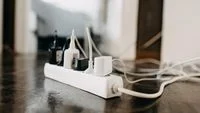
Households across major urban centers frequently experience a baffling phenomenon: an electricity bill that spikes unexpectedly despite no noticeable change in daily routines or the addition of new heavy-duty appliances. Month after month, consumers scrutinize their meters and question utility providers, often suspecting faulty metering equipment or hidden tariff increases. However, comprehensive energy audits and utility data consistently reveal that the root cause of these sudden financial surges rarely stems from external anomalies. Instead, the culprit is almost always a collection of unconscious, everyday household habits that quietly bleed electrical energy.
Understanding the mechanics of modern residential power consumption requires looking beyond obvious high-drain appliances. While major systems like central heating and cooling are notorious for their high energy draws, a constellation of minor, cumulative behaviors compounds over billing cycles to produce exorbitant utility statements. By identifying these invisible energy drains—ranging from phantom loads to inefficient appliance cycling—households can regain control over their monthly expenses through simple, disciplined behavioral adjustments.
The Anatomy of a Surge: Background Context and Utility Realities
To understand why electricity bills fluctuate unpredictably, it is necessary to examine the changing landscape of modern domestic power usage. Over the past decade, the proliferation of smart homes, remote work arrangements, and interconnected consumer electronics has fundamentally altered residential load profiles. Households now house dozens of devices that are perpetually connected to the power grid. Unlike the older generation of analog appliances, which could be completely isolated via physical switches, modern electronics are engineered to remain in a constant state of readiness.
Utility analysts and consumer advocacy groups have tracked a steady upward creep in baseline household energy consumption—often referred to in the energy sector as "baseload." This baseline represents the minimum amount of power a home draws continuously to keep refrigerators running, security systems active, and various electronics in standby mode. When cumulative baseline consumption rises due to unmonitored daily habits, the overall monthly kilowatt-hour (kWh) total climbs significantly, pushing households into higher tiered pricing brackets where rates per kWh are often more expensive.
The Seven Hidden Culprits Behind Inflated Electricity Bills
Energy efficiency experts and official guidelines from bodies such as the United States Department of Energy have long cataloged the specific domestic practices that undermine household energy conservation. A closer examination of these seven common habits reveals the mechanics of how seemingly minor actions accumulate into substantial financial burdens.
- The Phantom Power Drain (Vampire Draw)
Perhaps the most insidious contributor to inflated utility bills is the phenomenon known as standby power, or "vampire draw." Modern consumer electronics—including televisions, gaming consoles, microwave ovens, audio receivers, and smartphone chargers—do not truly shut off when powered down via a remote control or soft-touch button. Instead, internal components remain energized so the device can instantly respond to remote inputs, display digital clocks, or maintain network connections.
According to laboratory estimates from energy efficiency researchers, standby power accounts for roughly 5 to 10 percent of total residential electricity use, translating to hundreds of dollars in wasted electricity annually for an average household. While an individual phone charger left plugged into a wall outlet consumes a negligible fraction of a watt, the aggregation of dozens of continuously plugged-in appliances creates a persistent, silent drain on the electrical grid. Mitigating this requires a deliberate shift toward physically disconnecting chargers and utilizing smart power strips that completely sever power flow when devices are not in active use.
- Thermal Inefficiency and Climate Control Mismanagement
Air conditioning units represent some of the single largest electrical loads in residential settings. When managed improperly, their energy consumption can skyrocket. A common behavioral pitfall is leaving air conditioning systems running in unoccupied rooms, forcing the compressor to continuously cool empty spaces.
Furthermore, consumer habits regarding thermostat settings profoundly impact energy efficiency. Setting thermostats to artificially low temperatures does not accelerate the cooling process; rather, it forces the HVAC system to work at maximum capacity for a prolonged duration to reach and maintain that extreme threshold. Energy authorities consistently recommend maintaining indoor temperatures at a moderate equilibrium—typically between 24 and 26 degrees Celsius (75 to 78 degrees Fahrenheit)—when cooling is required. This balance ensures thermal comfort while preventing compressors from operating continuously under peak load stress.
- Compromised Refrigeration Dynamics
Refrigerators are unique among household appliances because they operate uninterrupted, 24 hours a day, 365 days a year. Because of this continuous duty cycle, even minor operational inefficiencies can result in massive cumulative energy waste. A frequent behavioral issue is the habit of repeatedly opening and closing refrigerator doors, or leaving them open for extended periods while rummaging for items.
Each time a refrigerator door is opened, dense chilled air spills out and is replaced by warm ambient room air. The appliance’s internal thermostat registers the temperature spike and triggers the compressor and evaporator fans to work overtime to restore the internal cold environment. Industry best practices dictate organizing refrigerator contents efficiently and retrieving multiple items simultaneously to minimize door-open intervals, thereby stabilizing internal temperatures and reducing compressor run times.
- Illumination Neglect and Natural Light Underutilization
Leaving electric lights illuminated in unoccupied rooms or failing to turn off fixtures when daylight is abundantly available remains a classic source of domestic energy waste. While the widespread adoption of light-emitting diode (LED) technology has drastically reduced the wattage required for artificial lighting compared to older incandescent bulbs, the cumulative impact of needless illumination across multiple rooms and extended hours remains measurable.
In a professional analysis of household load distribution, lighting accounts for a substantial percentage of auxiliary power consumption. Cultivating the habit of turning off lights upon exiting a space and maximizing natural daylight through windows during daytime hours eliminates unnecessary electrical draw without compromising domestic comfort.
- Inefficient Laundry and Fabric Care Cycles
Fabric care routines, specifically washing and ironing, involve high-energy processes. Washing machines consume electricity primarily through water heating elements and high-torque motor revolutions during agitation and spin cycles. Operating a washing machine for fractional loads—such as running a full cycle for just a few garments—drastically reduces operational efficiency, as the machine consumes nearly identical amounts of water, thermal energy, and mechanical work regardless of load size.
Similarly, electric irons require high wattage to rapidly heat their soleplates to working temperatures. Ironing clothes in small, sporadic batches forces the appliance to undergo repeated heating cycles. Consolidating laundry loads to meet the manufacturer’s maximum recommended capacity and batching ironing sessions into single, uninterrupted periods optimizes both water and electrical consumption.
- Unattended Ambient Television Operation
In many contemporary homes, televisions serve a dual purpose: primary visual entertainment and ambient background noise. Leaving televisions powered on for hours while occupants are engaged in chores, working in other rooms, or sleeping creates a continuous electrical draw that serves no functional purpose.
Modern flat-panel displays, particularly large-format LED and OLED screens, draw significant wattage during operation. Allowing these units to run unattended for extended periods over the course of a billing cycle accumulates substantial, avoidable kilowatt-hours. Establishing a mindful approach to turning off displays immediately after viewing concludes is an effortless remedial step.
- Improper Loading of Cleaning and Utility Appliances
Beyond washing machines, other utility appliances suffer from operational inefficiencies driven by behavioral haste. Dishwashers, for example, consume significant thermal energy to heat water and operate drying cycles. Running partial loads forces multiple cycles to handle what could easily be consolidated into a single, fully loaded wash.
Energy analysts emphasize that appliance efficiency ratings established by manufacturers are predicated on proper utilization patterns. Deviating from these operational guidelines by under-loading or over-loading machinery degrades performance, increases wear and tear, and drives up electricity consumption.
Chronology of an Energy Crisis: How Behavioral Habits Compound Over Time
To fully grasp how minor daily actions manifest as financial shocks, it is instructive to examine the chronological progression of a standard billing cycle.
Days 1–7 (The Reset Period): Following the issuance of the previous utility bill, household occupants are typically mindful of their energy consumption. Thermostats are set reasonably, lights are switched off promptly, and appliances are used judiciously. Baselined power consumption remains stable.
Days 8–20 (Behavioral Drift): As the routine of daily life resumes, subtle behavioral deviations creep in. Chargers are left plugged into wall sockets indefinitely; televisions are left running in the background; family members begin opening the refrigerator door more frequently without forethought; laundry is washed in smaller, more frequent batches to accommodate immediate clothing needs. Because these actions happen incrementally, they go entirely unnoticed by the occupants.
Days 21–28 (The Cumulative Peak): By the third week of the billing cycle, the cumulative effect of vampire loads, extended compressor run times, and unnecessary appliance cycling has pushed the household’s baseline energy consumption significantly higher. The electric meter registers a steady, elevated rate of kilowatt-hour accumulation.
Days 29–30 (Meter Reading and Billing): The utility provider records the cumulative consumption. Because the heightened baseline pushed the household past standard consumption tiers into higher pricing brackets, the resulting statement reflects a disproportionately large financial increase, sparking confusion and frustration for the consumer.
Official Responses and Expert Recommendations
Energy agencies, utility regulators, and consumer protection bureaus consistently emphasize that combating rising utility costs does not necessarily require expensive capital investments in solar panels or premium smart-home automation systems. While infrastructural upgrades offer long-term savings, behavioral correction remains the immediate, accessible frontline defense against surging bills.
According to statements issued by energy conservation authorities, consumer education is the most effective tool for mitigating residential power waste. By promoting basic energy literacy—such as understanding standby power dynamics, optimizing appliance loads, and practicing thermal mindfulness—households can immediately curb wasteful consumption patterns.
Furthermore, utility providers frequently encourage consumers to utilize digital home energy monitors or smart meters provided by utility companies. These tools allow homeowners to track their power consumption in real-time, identifying exact moments when energy spikes occur and correlating those spikes with specific domestic activities.
Broader Economic Implications and Future Outlook
The implications of household energy waste extend well beyond individual monthly budgeting. On a macroeconomic scale, residential electricity consumption constitutes a massive share of total national grid demand. When millions of households simultaneously engage in inefficient energy practices, aggregate demand surges, placing heavy stress on electrical generation infrastructure, particularly during peak load hours (such as hot summer afternoons when air conditioning usage peaks).
This excess demand often forces utility operators to ramp up generation from fossil-fuel-peaker plants to stabilize the grid, resulting in increased carbon emissions and heightened environmental strain. Conversely, widespread adoption of energy-efficient household habits flattens the demand curve, reduces strain on electrical infrastructure, promotes grid stability, and contributes to broader national climate and sustainability targets.
Ultimately, managing domestic electricity expenses is a function of daily awareness and disciplined habit formation. By implementing straightforward operational adjustments—such as unplugging dormant electronics, consolidating laundry and ironing loads, managing thermostat settings responsibly, and eliminating unattended appliance operation—consumers can successfully disconnect from the cycle of unexpected utility bill surges. These small, deliberate changes harmonize domestic routines with principles of energy efficiency, safeguarding household finances while supporting broader environmental sustainability.
Related posts: