Mandatory Halal Certification Deadline for Indonesian Micro and Small Enterprises Set for October 18, 2026

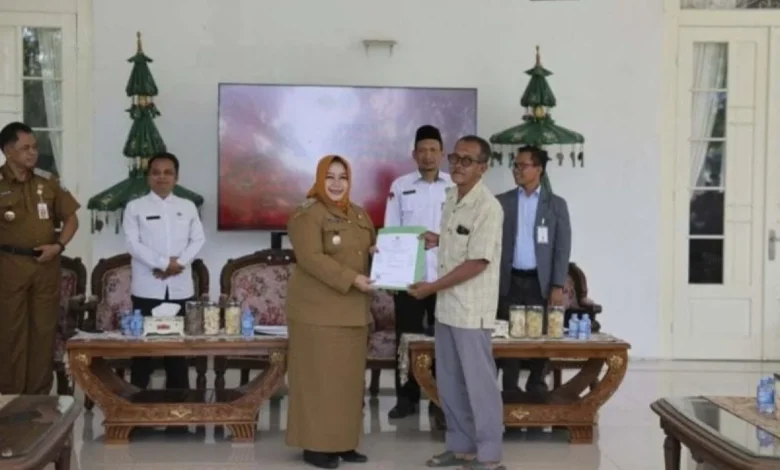
The Indonesian government has issued a definitive mandate requiring all micro and small enterprises (MSEs) operating within the food and beverage sector to secure official halal certification for their products by October 18, 2026. This regulatory enforcement also extends to all slaughterhouse products and professional slaughtering services. The directive marks a significant milestone in the national effort to implement a comprehensive Halal Product Assurance (JPH) system, as codified under Law Number 33 of 2014 and reinforced by Government Regulation (PP) Number 42 of 2024.
This transition period represents the final phase of a multi-year roadmap aimed at ensuring that the vast majority of consumer goods circulating within the Indonesian market meet strict Sharia-compliant standards. With the October 17, 2026, deadline serving as the conclusion of the grace period for small-scale food and beverage providers, the government has signaled that it will strictly adhere to the established schedule without further delays.
The Scope of Regulatory Expansion
While the immediate focus of public discourse has been on food and beverage providers, the regulatory scope effective from October 18, 2026, is significantly broader. The mandate encompasses a wide array of consumer goods, reflecting the government’s commitment to creating a standardized halal ecosystem. Beyond culinary products, the regulation now includes cosmetics, chemical products, genetically engineered goods, herbal medicines, quasi-drugs, health supplements, and various household utility items.
This expansion is part of a broader national strategy to elevate Indonesia’s position in the global halal economy. By integrating these diverse product categories into the JPH framework, the government aims to provide consumers with absolute certainty regarding the provenance and integrity of the goods they purchase, while simultaneously boosting the export potential of Indonesian businesses that wish to tap into the trillion-dollar global halal market.
Chronology and Regulatory Context
The movement toward mandatory halal certification began in earnest with the enactment of Law Number 33 of 2014, which established the Halal Product Assurance Organizing Agency (BPJPH). For years, the government has been rolling out the mandate in stages, prioritizing medium and large-scale enterprises before gradually incorporating the micro and small business sectors.
The introduction of Government Regulation Number 42 of 2024 served as the latest legislative anchor, refining the technical procedures for certification and clarifying the responsibilities of various stakeholders. The phased approach was designed to give smaller businesses sufficient time to adapt their supply chains, adjust their production processes, and secure the necessary documentation without suffering undue financial or operational disruption. As the 2026 deadline approaches, the Ministry of Religious Affairs and the BPJPH have intensified their socialization efforts to ensure that business owners are fully informed of their obligations and the resources available to assist them.
Facilitating Compliance: The SEHATI 2026 Program
Recognizing that the cost and complexity of certification could pose a barrier to entry for micro and small enterprises, the Indonesian government has launched the Free Halal Certification (SEHATI) program for 2026. This initiative is designed to lower the burden on small business owners, with the BPJPH allocating a quota of 1.35 million free halal certificates for eligible applicants throughout the year.
To qualify for the SEHATI program, businesses must meet stringent criteria. Applicants must prove that their annual revenue does not exceed IDR 15 billion, utilize ingredients that are already certified or recognized as halal, and maintain a simple, transparent production process. The program utilizes the "self-declare" mechanism, which allows micro and small businesses to declare the halal status of their products, provided they meet the specific requirements verified by a Halal Product Process (PPH) assistant.
Navigating the SIHALAL Digital Ecosystem
The administrative process for obtaining certification has been digitized through the Halal Information System (SIHALAL). This platform serves as the centralized hub for all applications, verification, and validation. For those utilizing the self-declare scheme, the process is facilitated through the Integrated Licensing and Service Center (PTSP) Halal portal.
To initiate the application, a business owner must first hold a valid Business Identification Number (NIB) registered under the micro or small business category. The documentation process requires a detailed breakdown of the ingredients used and a description of the production facility. Once the documentation is uploaded to the SIHALAL portal, a PPH assistant performs an on-site or remote verification to ensure that the production environment is free from contamination with non-halal materials. The BPJPH then reviews these findings before issuing the final certificate.
Economic Implications and Market Access
Industry analysts note that the mandate is not merely a bureaucratic requirement but a strategic tool for business growth. For many small enterprises, obtaining a halal certificate acts as a "passport" to broader market access. Modern retail chains, e-commerce platforms, and large-scale food distributors are increasingly requiring halal certification as a prerequisite for stocking products.
Furthermore, as consumer awareness grows, the "Halal" label has transitioned from a religious requirement to a marker of hygiene, quality, and ethical production. By professionalizing their production standards through this certification process, MSEs are better positioned to compete with larger, more established brands. The increase in payments for certification services, as evidenced by recent data showing a significant surge in banking transactions related to halal services, suggests that businesses are beginning to view this compliance as a necessary investment in their long-term sustainability.
Addressing Challenges and Misconceptions
Despite the clear benefits, the transition has not been without challenges. Some small business owners have expressed concerns regarding the technical requirements of documenting every raw material used in their products. The BPJPH has responded by deploying thousands of PPH assistants across the country to provide direct technical support, helping business owners audit their supply chains and rectify any non-compliant practices.
One common misconception is that the mandate will lead to the immediate closure of businesses that fail to certify by the deadline. Government officials have clarified that the focus is on education and compliance assistance rather than punitive measures. However, the government has maintained a firm stance that the deadline will not be extended, as the current timeline already provides a decade of preparation since the passing of the 2014 law. The goal is to move the industry toward a state of full compliance, where "halal" is the default standard rather than a niche differentiator.
The Strategic Vision: Indonesia as a Global Halal Hub
The broader ambition behind these regulations is to establish Indonesia as the world’s leading center for the halal industry. Given that Indonesia has one of the largest Muslim populations globally, it is uniquely positioned to drive global trends in halal food, pharmaceuticals, and services. International partnerships, such as the recently signed agreements with countries like Sweden to facilitate trade in halal products, highlight the growing global recognition of Indonesia’s certification standards.
The success of the 2026 implementation will be a critical test for the national economy. If the majority of the MSE sector successfully transitions, it will create a massive, standardized supply chain that is highly attractive to international investors and export partners. The ripple effect of this, according to economic observers, could lead to improved food safety standards across the board, as the rigorous auditing required for halal certification inherently mandates cleaner, more regulated production environments.
Final Recommendations for Business Owners
With less than two years remaining before the mandate becomes fully enforceable across all targeted sectors, experts strongly advise business owners to begin the process immediately. The volume of applications is expected to rise exponentially as the October 18, 2026, date draws closer, potentially leading to administrative bottlenecks within the SIHALAL system.
Businesses are encouraged to:
- Conduct an internal audit of their ingredient supply chain to ensure all components are sourced from halal-certified suppliers.
- Ensure that their NIB is up to date and correctly categorized as micro or small.
- Register for the SEHATI 2026 program as early as possible to secure a slot within the free quota.
- Engage with local PPH assistants who can provide guidance on the nuances of the certification process specific to their industry.
In conclusion, the enforcement of mandatory halal certification for MSEs is a transformative move for the Indonesian economy. By aligning small businesses with international standards of quality and religious compliance, the government is fostering a more robust, transparent, and competitive business landscape. While the path to compliance requires effort and documentation, the long-term rewards—ranging from expanded market reach to enhanced consumer trust—are expected to provide a significant boost to the nation’s micro and small business sector in the years to come.
Related posts: