Universitas Muhammadiyah Jakarta Secures Commanding Eight to Zero Victory Against Universitas Sultan Ageng Tirtayasa in UNI League 2026 Opening Rounds

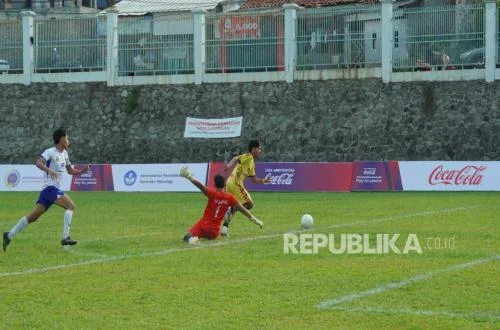
The football representative team of Universitas Muhammadiyah Jakarta, known as PS UMJ, delivered a masterclass in offensive football during the opening phase of the UNI League 2026, securing a resounding 8–0 victory over Universitas Sultan Ageng Tirtayasa (Untirta). The match, which took place on Saturday, April 18, 2026, at the UMJ Football Field, served as a significant statement of intent for the host team as they began their campaign in one of Indonesia’s most prestigious inter-university competitions. The lopsided scoreline reflects not only the clinical finishing of the UMJ strikers but also a systemic gap in tactical execution between the two sides on the day.
The UNI League 2026 is a multi-month tournament designed to bridge the gap between amateur collegiate sports and professional development. Featuring top-tier universities from across the Jabodetabek (Jakarta, Bogor, Depok, Tangerang, and Bekasi) region, the competition is scheduled to run from April through August 2026. Matches are being hosted at two primary venues: the UMJ sports complex and the University of Indonesia (UI) facilities, providing a high-standard environment for student-athletes to showcase their skills.
Tactical Superiority and Match Chronology
From the opening whistle, PS UMJ established a high-pressing rhythm that Untirta struggled to contain. Playing on their home turf, the UMJ squad utilized the width of the pitch to stretch the Untirta defense, creating numerous scoring opportunities within the first twenty minutes. The 8–0 result was the product of a disciplined offensive structure that saw UMJ controlling over 60% of ball possession throughout the ninety minutes.
According to technical observers at the venue, the victory was characterized by rapid transitions from defense to attack. By the end of the first half, UMJ had already established a comfortable lead, allowing the coaching staff to rotate players and test various tactical formations in the second half. Despite the mounting scoreline, PS UMJ maintained their defensive integrity, preventing Untirta from recording more than two shots on target throughout the duration of the match.
This victory grants PS UMJ three vital points in the early league standings. In a competition that spans several months, goal difference often becomes a tie-breaking factor, making the eight-goal margin a significant asset for the team’s long-term prospects.
Rigorous Preparation and Coaching Philosophy
The success witnessed on the pitch is the result of an intensive preparatory period led by Head Coach Lebry Hidayatulloh. Speaking after the match, Hidayatulloh emphasized that the team’s performance was not an overnight achievement but the outcome of a structured training regimen. The PS UMJ squad undergoes a rigorous program consisting of three formal training sessions per week.
"To face a competition of this magnitude, we focus heavily on three core pillars: team chemistry, tactical awareness, and physical conditioning," Hidayatulloh explained. "The players have shown immense dedication in balancing their academic responsibilities with the demands of high-level football. While the 8–0 score is encouraging, our focus remains on the process. We must evaluate every play, as the competition will only get tougher as we move toward the finals in August."
The coaching staff highlighted that the three-day-a-week schedule is specifically designed to allow for recovery and academic attendance while ensuring that tactical drills—such as set-piece execution and defensive positioning—are mastered. Hidayatulloh’s approach emphasizes a "total football" philosophy where every player on the pitch is expected to contribute to both the defensive block and the attacking phase.
The UNI League 2026: A Platform for Excellence
The UNI League has evolved into a cornerstone of the Indonesian collegiate sporting calendar. By providing a platform for universities in the capital region and its surrounding areas, the league fosters a culture of healthy competition and excellence. The 2026 edition is particularly notable for its extended duration, which mimics the structure of professional leagues, thereby preparing students for the stamina required in professional sports careers.
A key element of this year’s competition is the strategic partnership with Coca-Cola. As a major corporate sponsor, Coca-Cola’s involvement highlights the growing commercial viability and public interest in university-level sports. Such partnerships provide the necessary funding for high-quality officiating, venue maintenance, and media coverage, which in turn elevates the profile of the participating student-athletes.
The league serves a dual purpose: it acts as a talent scouting ground for professional clubs in Liga 1 and Liga 2 of the Indonesian football pyramid, and it promotes the "Student-Athlete" model. This model ensures that while students pursue excellence in sports, they remain integrated into the academic life of their respective universities.
Institutional Impact and Non-Academic Achievements
For Universitas Muhammadiyah Jakarta, the football team’s success is a vital component of the institution’s broader mission. Universities in Indonesia are increasingly evaluated not only on their academic output but also on their ability to foster talent in diverse fields, including arts, culture, and sports.
The UMJ administration has been vocal in its support of the football program, viewing it as a vehicle for character building and institutional branding. Achievements in the UNI League contribute to the university’s prestige, attracting prospective students who seek a holistic educational experience. The goal for the 2026 season is clear: the university aims to secure the championship trophy by the end of the August campaign.
"Participation in the UNI League is about more than just winning games; it is about representing the values of UMJ on a regional stage," a university spokesperson noted. "Our athletes are ambassadors of the university. Their discipline on the field reflects the discipline we expect in the classroom."
Analysis of Implications for Untirta and the League
While the 8–0 defeat is a setback for Universitas Sultan Ageng Tirtayasa (Untirta), it provides a critical learning opportunity for the visiting side. In the context of collegiate sports, such results often prompt a re-evaluation of training methodologies and recruitment strategies. Untirta, representing Serang, Banten, remains a formidable institution with a history of resilience, and league analysts expect a tactical shift from their coaching staff in the coming weeks.
For the UNI League as a whole, the opening rounds have demonstrated a high level of disparity in early-season fitness levels. As the tournament progresses through the mid-year months, the gap is expected to close as teams find their rhythm and adjust to the heat and intensity of the schedule. The choice of UMJ and UI as host venues ensures that the matches are played on surfaces that allow for technical, ground-based football, further enhancing the quality of the spectacle for fans and scouts alike.
Looking Ahead: The Road to August
With the first match concluded, PS UMJ now turns its attention to the upcoming fixtures in May and June. The league’s structure, which involves home and away dynamics across the two primary venues, will test the adaptability of the players. Coach Hidayatulloh has signaled that despite the victory, there will be no room for complacency.
The evaluation process mentioned by the coach will involve video analysis of the Untirta match to identify defensive lapses that might have gone unnoticed due to the high scoreline. Maintaining consistency over a five-month period is the primary challenge for any collegiate team, particularly as final examinations and academic deadlines approach in the mid-year.
As the UNI League 2026 continues, the eyes of the Jakarta sporting community will be on the UMJ and UI fields. The involvement of major sponsors like Coca-Cola and the high level of play exhibited by teams like PS UMJ suggest that university football in Indonesia is entering a new era of professionalism and public engagement.
The journey toward the August finals is long, but for Universitas Muhammadiyah Jakarta, the 8–0 victory serves as the perfect foundation. It is a result that not only earns three points but also instills a sense of belief in the players and pride in the university community. As the players return to their three-times-a-week training schedule, the message from the coaching staff is clear: the hard work has only just begun.