UNS Surakarta Claims Ultimate Glory at Campus League 2026-Badminton The Nationals After Thrilling Final Against BINUS Jakarta

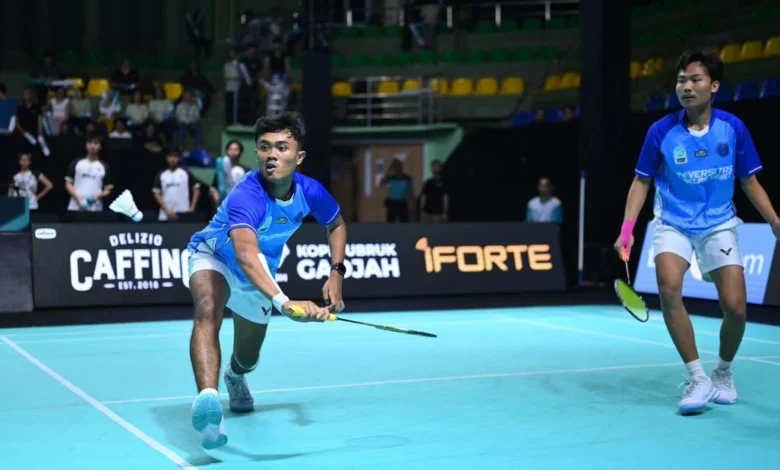
The landscape of Indonesian collegiate sports witnessed a momentous culmination as Universitas Negeri Sebelas Maret (UNS) Surakarta officially secured the overarching championship title at the prestigious Campus League 2026-Badminton The Nationals. The grand finale, held at the bustling GOR Bandung, not only showcased the pinnacle of student-athlete prowess in badminton but also underscored the rapidly expanding ecosystem of competitive university sports across the archipelago.
Dominating both the individual sectors and the highly coveted team category, UNS cemented its legacy as a powerhouse in collegiate athletics. The journey to the top was neither straightforward nor uncontested, requiring immense resilience, tactical acumen, and unwavering teamwork, particularly during the pulse-pounding championship showdown against Universitas Bina Nusantara (BINUS) Jakarta.
A Dramatic Final Showdown at GOR Bandung
The atmosphere inside GOR Bandung on Friday, September 25, was nothing short of electric. Supporters, alumni, and sports enthusiasts packed the venue to witness the ultimate clash between two of Indonesia’s finest academic institutions in the realm of badminton. The team category final between UNS Surakarta and BINUS Jakarta delivered a masterclass in tactical play, nerves of steel, and high-intensity sporting drama.
From the opening rallies, it was evident that both squads had left no stone unturned in their preparation. The match unfolded in a gripping three-set thriller that kept spectators on the edge of their seats. UNS seized the initiative in the opening set, displaying remarkable court coverage and clinical finishing to secure a 55-46 victory. However, BINUS Jakarta demonstrated exceptional resilience and tactical adjustment in the second set, refusing to bow out of the championship race. Capitalizing on unforced errors from their opponents, BINUS fought back valiantly to take the second set 55-52, forcing a decisive and tense rubber set.
With the championship hanging in the balance, the pressure reached its zenith in the third and final set. It was during this critical juncture that the tactical depth and psychological fortitude of the UNS squad shone through. Regaining their composure and capitalizing on key tactical shifts, UNS closed out the final set with a score of 55-47, sealing a 2-1 set victory and lifting the championship trophy amidst roaring applause.
Tactical Brilliance and Mental Fortitude: The UNS Blueprint
Behind every championship-winning team lies a meticulous strategy and exceptional leadership. For UNS Surakarta, head coach Oktavia Wahyu Kinanti played a pivotal role in orchestrating the team’s path to victory. Speaking to the media after the grueling final, Kinanti emphasized that maintaining emotional equilibrium and tactical discipline was the ultimate catalyst for their success.
"The instruction was simple yet demanding: play patiently, maintain consistency, and avoid handing cheap points to the opposition through unforced errors. That was our fundamental key to navigating the pressure," Kinanti explained.
Furthermore, Kinanti highlighted a masterstroke in her lineup configuration—specifically the strategic deployment of the men’s doubles pair, Adna Farrell Nugroho and Muhammad Khalil M. Abdullah, during the crucial third match. The coaching staff’s decision proved prophetic, as the duo showcased remarkable tenacity, successfully orchestrating dramatic comebacks from deficits to secure vital points that swung the momentum back in favor of UNS.
The emotional rollercoaster of the final was equally palpable among the players. Maghfiro Ah Aristi, a key member of the UNS women’s doubles contingent, candidly shared the psychological challenges the team faced, particularly when BINUS forced the match into a third set.
"Fear, nervousness, and adrenaline were all mixed into one. There were moments of self-doubt when the pressure mounted. However, our strength lay in our collective unity. We constantly reminded, supported, and reassured one another to stay focused and play ‘on point’ until the very last shuttlecock dropped," Aristi remarked.
The Broader Vision: Building a Collegiate Sports Culture
The successful conclusion of the badminton tournament marks a significant milestone for the broader Campus League 2026 initiative. Ryan Gozali, CEO of Campus League, expressed his deep appreciation for the exceptional standard of competition and sportsmanship displayed throughout the tournament. According to Gozali, the primary objective of the league extends far beyond crowning individual or institutional champions; it is fundamentally about institutionalizing a robust sporting culture within the higher education landscape of Indonesia.
"We are witnessing a transformative era for university sports. The competitive spirit and professionalism shown by both UNS and BINUS reflect the immense potential embedded within our student-athletes," Gozali stated in his official media address.
Gozali also provided a glimpse into the comprehensive roadmap planned for the ongoing sports season, outlining a seamless transition from one discipline to the next to maintain momentum and engagement across university campuses nationwide.
"The conclusion of the badminton championship does not mean the end of the action. Immediately following badminton, we transition directly into the futsal leagues. Once the futsal chapter concludes, the focus shifts toward the highly anticipated UniGames," Gozali revealed.
The upcoming UniGames are slated to feature a diverse array of disciplines, designed to cater to a broad spectrum of athletic talents within the student body. The multi-sport event will encompass martial arts and combat sports such as taekwondo, kick-boxing, kempo, wushu, and jiu-jitsu, alongside technical disciplines like cue sports (billiard) and the rapidly growing sector of women’s football. This expansive multi-sport strategy aims to create a holistic athletic ecosystem where diverse sporting talents can thrive.
Corporate Synergy and Youth Empowerment
The realization of an ambitious multi-tiered national university league requires robust institutional backing and strategic corporate partnerships. Polytron, serving as the official title sponsor of Campus League 2026, played an integral role in facilitating the tournament’s seamless execution and nationwide reach.
Diantika, General Manager of Corporate Communications at Polytron, elaborated on the corporation’s strategic vision behind supporting youth-centric athletic initiatives. She emphasized that fostering an active lifestyle and competitive mindset among the younger generation is deeply intertwined with preparing them for future socioeconomic challenges.
"Through our continued partnership and support of the Campus League, Polytron aims to actively encourage the younger generation to remain physically active, highly competitive, and adaptable to the rapid advancements of the modern world," Diantika stated. She noted that sports participation imparts invaluable life skills—such as strategic thinking, resilience under pressure, teamwork, and time management—which are indispensable in both academic and professional spheres.
The alignment between corporate objectives and collegiate athletic development creates a symbiotic relationship. For sponsors, engaging with the dynamic demographic of university students provides meaningful brand integration, while for student-athletes, corporate backing ensures access to professional-grade tournament structures, proper officiating, media exposure, and enhanced facilities.
Implications and Future Horizons for Indonesian Collegiate Sports
The triumph of UNS Surakarta at Campus League 2026-Badminton The Nationals carries profound implications for the future of sports development in Indonesian universities. Historically, talent scouting in major sports like badminton has relied heavily on private club systems rather than academic institutions. However, tournaments of this magnitude signal a paradigm shift, positioning universities as legitimate breeding grounds for elite-level athletic talent.
By providing a structured, highly competitive national platform, the Campus League bridges the gap between recreational campus sports and professional athletic pathways. Universities are increasingly recognizing the value of investing in athletic scholarships, coaching staff, and sports science infrastructure to attract top-tier student-athletes.
Furthermore, the integration of extensive media coverage and corporate sponsorship elevates the profile of university sports, making it an attractive entertainment product for broader audiences. As the Campus League prepares to roll out its subsequent phases—moving from badminton to futsal and onward to the expansive UniGames—the standard has been firmly set.
The resounding success of UNS Surakarta serves not only as a testament to their athletic excellence and rigorous preparation but also as a beacon of inspiration for universities across the nation. It demonstrates that academic rigor and athletic mastery can coexist harmoniously, paving the way for a healthier, more competitive, and deeply unified generation of Indonesian youth.
Related posts: