San Miguel de Allende Named World’s Best City for 2026 as Mexico and Asia Dominate Global Travel Rankings

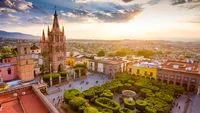
The global tourism landscape has witnessed a significant shift as the colonial gem of San Miguel de Allende, nestled in the central highlands of Mexico, has been officially crowned the World’s Best City for 2026. According to the latest results from the prestigious World’s Best Awards conducted by Travel + Leisure, this relatively small Mexican city outperformed perennial heavyweights and major metropolitan hubs such as Kyoto, Tokyo, and Bangkok. The recognition highlights a growing trend among international travelers who are increasingly prioritizing cultural authenticity, architectural beauty, and local hospitality over the high-octane allure of global megacities.
The annual survey, which serves as a definitive barometer for the travel industry, invited tens of thousands of experienced globetrotters to weigh in on their recent journeys. Participants evaluated cities based on a rigorous set of criteria, including the quality of sights and landmarks, the depth of cultural experiences, the excellence of the culinary scene, the friendliness of the local population, and the overall value for money. When the data was tallied, San Miguel de Allende emerged at the summit with an extraordinary score of 93.07 out of a possible 100, marking a triumphant return to the top spot for a destination that has long been a favorite of the artistic and expatriate communities.
The Enchantment of the Mexican Highlands
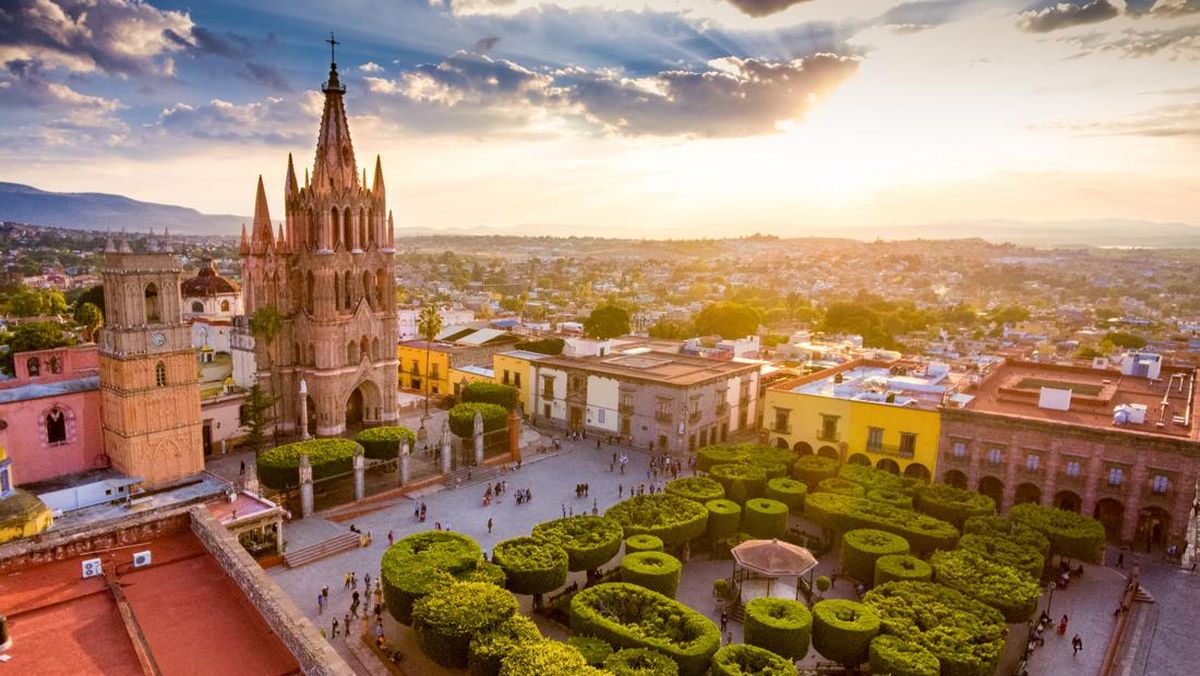
San Miguel de Allende’s victory is attributed to its unique blend of historical preservation and vibrant modern energy. Known for its well-preserved Spanish colonial architecture, the city is a visual feast of "candy-colored" facades ranging from deep ochre to bright terracotta. The heart of the city is dominated by the Parroquia de San Miguel Arcángel, a neo-Gothic church with distinctive pink limestone towers that look as though they were plucked from a European fairy tale.
Travelers who participated in the survey frequently cited the city’s pedestrian-friendly layout and its cobblestone streets as key factors in their positive experiences. Beyond the aesthetics, the city has evolved into a world-class culinary destination. From traditional street-side gorditas to high-end rooftop dining overlooking the Bajío region, the gastronomic diversity in San Miguel de Allende reflects Mexico’s broader influence on the global food scene. Furthermore, the city’s reputation as an arts hub—home to numerous galleries, craft markets, and the renowned Instituto Allende—provides a level of cultural immersion that voters found superior to more commercialized destinations.
A Dominant Year for Mexican Tourism
The 2026 rankings underscore a "Mexican Moment" in the international travel sector. San Miguel de Allende was not the only Mexican representative to receive high honors; the country dominated the top 15 list more than any other nation. Oaxaca, celebrated for its indigenous heritage and world-famous mole, secured the fifth position. The sprawling metropolis of Mexico City, often lauded for its world-class museums and burgeoning tech scene, took the ninth spot, while Guadalajara rounded out the top 15.
This dominance suggests that Mexico’s strategic investments in tourism infrastructure and the promotion of its "Pueblos Mágicos" (Magical Towns) program are yielding significant dividends. Industry analysts suggest that Mexico’s accessibility, particularly for North American travelers, combined with its ability to offer high-luxury experiences at a more competitive price point than European counterparts, has solidified its status as a premier global destination.
The Rise of the Asian Powerhouses
While Mexico claimed the top prize, the 2026 list also serves as a testament to the enduring and growing appeal of Asia. Four of the top ten cities in the world are located in the Asian continent, reflecting a robust post-pandemic recovery and a renewed interest in Eastern traditions and hospitality.
Kyoto, Japan, claimed the silver medal, maintaining its status as the world’s leading destination for those seeking a contemplative and historical travel experience. Thailand also performed exceptionally well, with the northern cultural capital of Chiang Mai taking third place and the bustling capital of Bangkok securing sixth. Vietnam’s Hoi An, an ancient town known for its lantern-lit streets and tailoring industry, was ranked fourth.
The success of these Asian cities is often linked to the "value-added" experience they provide. Voters noted that in cities like Chiang Mai and Hoi An, the level of luxury—measured in terms of service, accommodation, and dining—is often significantly higher than what can be found in Western cities for the same budget. Additionally, the seamless integration of modern technology with ancient spiritual sites remains a major draw for the 2026 traveler.
Europe’s Notable Absence from the Top Tier
One of the most striking revelations of the 2026 World’s Best Awards is the absence of European cities from the top ten. For decades, cities like Rome, Paris, and Barcelona were the undisputed leaders of global tourism. However, in the current rankings, Florence, Italy, was the highest-ranking European entry, appearing at number 13. Other historic capitals like Prague, Salzburg, and Krakow followed further down the list.
Experts suggest this shift may be a reaction to the "over-tourism" crisis currently gripping much of Europe. Travelers are increasingly reporting fatigue with the massive crowds, rising costs, and the "Disneyfication" of historic European centers. In contrast, destinations in Mexico and Southeast Asia are perceived as offering more genuine interactions with local culture and a slower, more intentional pace of travel.
Wellington’s Historic Breakthrough
In the Southern Hemisphere, a new champion has emerged. Wellington, the capital of New Zealand, made its debut in the top 25 global list and was named the best city in the Australia, New Zealand, and South Pacific region for the first time. This marks a departure from the usual dominance of Sydney or Melbourne.
Wellington’s rise is attributed to its "coolest little capital" vibe, characterized by a world-leading craft beer scene, the presence of the national museum Te Papa Tongarewa, and its identity as "Wellywood." As the home of Weta Workshop and the primary filming hub for major franchises like The Lord of the Rings and Avatar, the city has successfully leveraged its film industry heritage to create a unique tourism product that appeals to both cinephiles and nature lovers.
The Top 10 Cities in the World: 2026 Rankings
The definitive top ten list as voted by the readers of Travel + Leisure for 2026 is as follows:
- San Miguel de Allende, Mexico (93.07)
- Kyoto, Japan
- Chiang Mai, Thailand
- Hoi An, Vietnam
- Oaxaca, Mexico
- Bangkok, Thailand
- Jerusalem
- Siem Reap, Cambodia
- Mexico City, Mexico
- Tokyo, Japan
Methodology and the Changing Definition of "Best"
The Travel + Leisure World’s Best Awards methodology has evolved to reflect modern travel values. While luxury amenities remain important, the 2026 survey results indicate that "emotional resonance" is now a primary driver for high scores. Travelers are looking for places that feel soulful and distinctive.
The survey process involves a secure website where readers can rate various categories. To prevent bias, travel industry professionals are generally excluded from the voting process, or their votes are screened. The final scores are an average of the responses, ensuring that the results represent a broad consensus of the traveling public rather than a small group of critics.
Implications for the Global Tourism Economy
The crowning of San Miguel de Allende is expected to trigger a significant economic boost for the state of Guanajuato and Mexico as a whole. Being named the "World’s Best" often leads to a surge in hotel bookings, increased flight demand, and a rise in property values as international investors and retirees look to gain a foothold in the winning city.
However, this accolade also brings challenges. Local authorities in San Miguel de Allende now face the task of managing this increased popularity without sacrificing the very charm that earned them the top spot. Maintaining infrastructure, managing traffic on narrow colonial streets, and ensuring that the local population is not priced out of their own city will be critical priorities for the municipal government in the coming years.
For the broader travel industry, these rankings serve as a wake-up call for established European and American destinations. The 2026 results suggest that the modern traveler is no longer satisfied with "standardized" luxury. There is a clear demand for destinations that offer a sense of place, a commitment to heritage, and a warm, human connection. As San Miguel de Allende celebrates its victory, the rest of the world’s great cities will likely be looking to the Mexican highlands to understand the new gold standard of global travel.
Related posts: