Navigating Modern Burnout: 7 Engaging Hobbies Proven to Relieve Stress and Boost Mental Well-Being

In an era defined by rapid technological connectivity, demanding professional landscapes, and a constant barrage of distressing global news, chronic stress has become an pervasive public health concern. As modern individuals grapple with monotonous routines, mounting workloads, and digital fatigue, the quest for effective coping mechanisms has never been more urgent. While traditional methods of unwinding—such as passive screen time or sedentary rest—often fail to rejuvenate the mind, a growing body of psychological and therapeutic research points toward a more active solution: purposeful hobbies.
Experts suggest that engaging in activities that require focused attention can effectively interrupt the cycle of rumination and anxiety. By immersing oneself in a tactile or creative pursuit, individuals can quiet an overactive nervous system, foster a sense of accomplishment, and build emotional resilience against the pressures of contemporary life.
The Psychology of Flow: Why Hobbies Heal
The therapeutic value of hobbies lies largely in the psychological concept of "flow," a state of complete immersion in an activity first conceptualized by psychologist Mihaly Csikszentmihalyi. When a person is deeply engaged in a task that balances their skill level with an appropriate degree of challenge, self-consciousness vanishes, and a profound sense of temporal distortion and tranquility occurs.
"I suggest doing a hobby or activity that makes you get lost in it," says Emily Davenport, an art therapist and psychotherapist, drawing on insights highlighted by lifestyle and wellness publications. "When you are immersed in an activity, your focus gradually shifts away from the source of stress, and your constantly working mind becomes calmer."
Unlike passive relaxation, which allows the brain to continue chewing over daily anxieties, absorbing hobbies require active cognitive or physical participation. This redirection of focus acts as a circuit breaker for chronic stress, lowering cortisol levels and promoting neuroplasticity. Crucially, experts emphasize that these pursuits do not require perfection; the therapeutic benefit is derived from the process itself rather than the final product.
To help individuals break the cycle of burnout, mental health professionals and lifestyle experts recommend seven distinct, immersive hobbies scientifically or ancerdotally proven to alleviate stress and calm the mind.
1. Mastering Mahjong: Cognitive Engagement Through Tradition
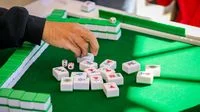
Once viewed primarily as a traditional pastime, Mahjong has experienced a dramatic resurgence in popularity across global urban centers. Modern community hubs, trendy cafes, and social clubs now frequently host beginner workshops, often guided by experienced mentors, to accommodate the influx of curious newcomers.
At first glance, learning Mahjong can feel intimidating. The intricate rules, tactical decision-making, and memorization required to master the game can momentarily overwhelm beginners. However, licensed therapists note that this steep initial learning curve is precisely what makes the game such an effective stress reliever.
"Once you understand the flow, the game becomes deeply captivating and draws you in," explains therapist Lara Allen. "It demands focus, pattern recognition, and full presence, which diverts your attention away from various sources of stress."
Beyond its cognitive demands, Mahjong is inherently social. The combination of tactical mental stimulation, community interaction, and lighthearted competition creates a unique psychological reset, keeping the brain sharp while washing away daily fatigue.
2. The Art of Sourdough: Sensory Mindfulness in Baking
The global resurgence of home baking—particularly the intricate process of crafting sourdough bread—evolved from a pandemic-era trend into a permanent fixture of mindful living. Today, specialized culinary workshops offering masterclasses in sourdough cultivation and baking techniques continue to draw crowds seeking tactile engagement.
For novices, sourdough can appear overly scientific and demanding. Maintaining a live fermentation starter, managing precise timelines, calculating hydration ratios, and perfecting scoring techniques require patience and precision. Yet, once these mechanics become second nature, the practice transforms into a meditative ritual.
"Once you feel more confident, the process becomes rhythmic and soothing," Allen notes. "Working with your hands, paying attention to textures and aromas, and following the natural tempo of bread-making engages the senses and creates a strong sense of accomplishment."
By anchoring the baker firmly in the present moment through touch, smell, and sight, sourdough baking offers a tangible antidote to the abstract, screen-based nature of modern work.
3. Calligraphy: Meditation Through Motion
In a digital landscape dominated by keyboard taps and touchscreen swipes, the deliberate return to pen and paper has emerged as a powerful therapeutic outlet. Calligraphy, the art of fine handwriting, demands extreme patience, breath control, and meticulous attention to detail.
While the pursuit of aesthetic perfection can initially induce performance anxiety, practitioners soon discover that calligraphy functions as a form of moving meditation. The requirement to slow down, regulate one’s breathing, and focus exclusively on the pressure and direction of every single stroke forces the chaotic mind to quiet down. Over time, the repetition builds muscle memory and shifts the brain into a state of deep, restorative calm.
4. Drawing, Painting, and Advanced Coloring: Channeling Emotion Through Color
Visual arts have long served as a cornerstone of expressive therapy, offering a safe container for processing complex emotions without the need for verbal articulation. Drawing allows individuals to externalize internal turmoil, translating abstract anxieties into concrete, manageable visual forms.
Similarly, painting provides parallel psychological benefits while introducing new sensory elements through the interaction of wet pigments, canvas textures, and color mixing. For those who feel intimidated by blank-page syndrome, the contemporary phenomenon of adult coloring books offers an accessible alternative. Featuring intricate geometric and botanical designs, adult coloring requires sustained focus, effectively quieting the default mode network of the brain—the region responsible for mind-wandering and self-referential thought.
5. The Rhythm of Knitting: Repetitive Motion and Mental Clarity
Long celebrated as a traditional handicraft, knitting has earned endorsement from modern medical and psychological researchers for its profound impact on mental health. According to health data compiled by clinical outlets like Very Well Health, the rhythmic, repetitive motions inherent in knitting act as a powerful anchor for anxious minds.
The bilateral movement required to cast stitches, loop yarn, and monitor patterns engages both hemispheres of the brain, inducing a relaxed state comparable to mindfulness meditation. Furthermore, the tactile warmth of natural fibers combined with the eventual realization of a tangible object—such as a scarf, blanket, or garment—yields a powerful dopamine reward, reinforcing self-efficacy and emotional stability.
6. Playing a Musical Instrument: Beyond Passive Listening
While listening to music is a universally recognized method for mood regulation, actively playing a musical instrument elevates stress reduction to an entirely different tier. Whether plucking a guitar, striking piano keys, or bowing a violin, instrumental performance requires the synchronization of auditory, visual, and motor systems.
This high level of neurological multitasking demands absolute presence. When an individual is entirely absorbed in reading sheet music, hitting correct pitches, and maintaining tempo, there is zero cognitive bandwidth left to ruminate on office deadlines or financial worries. The resulting auditory feedback loop provides immediate emotional release, making instrumental practice one of the most comprehensive cognitive workouts available.
7. Scrapbooking: Merging Memory with Visual Storytelling
For individuals with a penchant for narrative and tactile organization, scrapbooking offers a deeply personal avenue for emotional processing. Distinct from traditional journaling, which relies exclusively on text, scrapbooking bridges creative design, memorabilia collection, and storytelling.
By curating photographs, ticket stubs, handwritten notes, and other physical mementos into thoughtfully designed pages, creators engage in a reflective review of their lived experiences. This process encourages gratitude, reframes past challenges within a broader life narrative, and provides a physical archive of joy that can be revisited during future periods of stress.
Broader Implications for Public Health and the Future of Work
As occupational burnout and stress-related disorders continue to strain healthcare systems globally, the integration of creative hobbies into daily life is increasingly viewed by public health advocates not merely as a leisure choice, but as a critical preventive health measure.
Psychologists argue that societal frameworks must shift to accommodate the human need for analog, hands-on engagement. Corporations and educational institutions are slowly beginning to recognize that rest is not simply the absence of work, but the active cultivation of restorative mental states. By encouraging employees and students to pursue tactile, immersive hobbies, society can foster a more resilient, emotionally balanced populace capable of weathering the uncertainties of the modern world.
Related posts: