Navigating Dining Options at Soekarno-Hatta International Airport: A Comprehensive Guide to Affordable Meals in Terminal 3

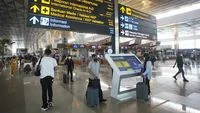
For millions of travelers passing through Soekarno-Hatta International Airport in Tangerang, Banten, the waiting period between check-in and boarding is often characterized by restless anticipation and, invariably, hunger. Waiting out a delayed flight or arriving hours ahead of an international or domestic departure frequently strains both patience and personal finances. Historically, airport dining has carried an unwelcome reputation for exorbitant pricing, forcing passengers to weigh the necessity of sustenance against the burden of inflated costs. Within major aviation hubs across the globe, captive markets dictate premium pricing, leaving travelers with few economical alternatives.
However, within the sprawling infrastructure of Terminal 3 at Soekarno-Hatta International Airport—Indonesia’s primary international gateway—a hidden culinary oasis offers a distinct departure from standard airport pricing models. Tepat di area Food Park Terminal 3 (Located within the Terminal 3 Food Park area), travelers navigating tight budgets can access a diverse array of traditional and contemporary Indonesian dishes at prices that rival street-side eateries outside the airport perimeter. This comprehensive guide explores the logistics of locating this affordable dining enclave, examines the culinary offerings available, evaluates the broader economic implications of accessible airport infrastructure, and provides essential operational details for travelers seeking cost-effective dining solutions.
The Economic Realities of Airport Dining: A Global Challenge
The phenomenon of high food and beverage costs at commercial airports is well-documented within the aviation and retail sectors. High operational expenditures, strict security clearance protocols for delivery personnel, premium real estate lease rates, and logistical complexities inherently drive up the overhead costs for tenants operating inside airport terminals. Consequently, food courts and restaurants situated airside—or even in primary landside public zones—frequently pass these operational burdens onto consumers, resulting in menu items priced at 50 to 200 percent above standard high-street or neighborhood rates.
For budget-conscious travelers, families, and airport personnel, these elevated prices create a persistent dilemma. Long layovers or unexpected flight rescheduling necessitate sustained nutritional intake, yet traditional airport dining options can rapidly deplete travel allowances. Recognizing this consumer pain point, airport authorities and concession management groups face increasing pressure to balance commercial profitability with passenger welfare. Providing tiered dining options that cater to varying socioeconomic demographics ensures that all travelers maintain access to essential services without financial distress.
At Soekarno-Hatta International Airport, which manages tens of millions of passenger movements annually, the integration of moderately priced dining zones serves as a crucial infrastructural component. While the luxury lounges and upscale cafes lining the primary boarding gates cater to premium ticket holders and frequent business flyers, localized food parks fulfill a vital public service role for the broader traveling public.
Locating the Terminal 3 Food Park: A Step-by-Step Navigation Guide
One of the primary reasons many passengers remain unaware of the affordable dining options in Terminal 3 is geographic separation. Unlike the high-visibility commercial corridors situated immediately past security checkpoints or within the main retail concourses, the Food Park is positioned away from the primary passenger boarding gates. Accessing this area requires intentional navigation and a brief walk through the airport’s landside infrastructure.
For travelers arriving via public transportation, rideshare services, or the airport’s integrated rail network, the journey to the Food Park begins at the Terminal 3 transport hub. Passengers utilizing the complimentary Skytrain service—which connects all primary terminals and the airport railway station—can disembark at the Terminal 3 station. From this transit stop, travelers must orient themselves eastward.
The pedestrian route requires walking toward the Domestic Car Parking Building, situated adjacent to the Grand Anara Hotel. Upon approaching the parking structure, travelers should locate the pathway running parallel to Urban Kopitiam, a prominent dining establishment in the vicinity. From this point, passengers take the elevator to the first floor and proceed eastward, navigating the pedestrian path alongside the vehicular entrance ramp designated for incoming parking traffic.
Upon reaching the designated zone, visitors emerge into the Terminal 3 Food Park. This open-format dining area features a structured row of independent food vendors and local culinary micro-entrepreneurs. The environment contrasts sharply with the sleek, corporate aesthetics of the terminal’s central boarding lounges, offering instead a utilitarian, community-oriented dining space reminiscent of traditional Indonesian food courts (pujasera).
Culinary Diversity and Price Points: What’s on the Menu
The culinary landscape of the Terminal 3 Food Park reflects the rich diversity of Indonesian gastronomy. Rather than offering standardized, multinational fast-food franchises, the vendors within this zone specialize in regional Indonesian comfort food, ensuring high volume, rapid preparation, and authentic flavors at accessible price points.
Among the array of culinary choices available to passengers are staple Indonesian dishes, including Nasi Padang with various protein options, Nasi Ayam (chicken rice), mixed rice plates (ramesan), Pecel Lele (fried catfish served with sambal and fresh vegetables), Pecel Ayam (fried chicken with peanut sauce and greens), Kwetiau (flat rice noodles), Soto (traditional aromatic soups), and Ayam Geprek (smashed fried chicken coated in fiery chili paste).
A detailed examination of menu pricing reveals that a satisfying meal can be secured for approximately IDR 30,000 (roughly USD $1.90 to $2.00), inclusive of a beverage. This pricing structure is remarkable given the high-cost operational environment of an international airport.
Case Study: Kantin Jayakarta
To understand the economic mechanics of the Terminal 3 Food Park, one can examine individual tenants such as Kantin Jayakarta, a popular stall within the complex. According to Lisa, a staff member at Kantin Jayakarta, the stall’s pricing strategy is intentionally calibrated to accommodate budget-constrained travelers and airport staff members who require filling meals throughout long shifts.
"A budget of IDR 30,000 can easily secure a complete portion of Pecel Ayam, which includes both the seasoned fried chicken and a full serving of steamed rice," Lisa explained in recent travel industry reports. "For passengers preferring noodle-based dishes, options such as Mie Nyemek and Kwetiau are priced at IDR 30,000 when combined with a beverage."
Specifically, a standalone portion of savory Kwetiau is priced at IDR 25,000. Prepared with traditional seasonings, tomatoes, cucumbers, and fresh mustard greens (sawi), the dish provides substantial caloric value. By adding a chilled mineral water or sweet iced tea priced at IDR 5,000, the total transaction reaches exactly IDR 30,000. Similar economic parity applies to the stall’s Mie Nyemek—a savory, wet-style boiled noodle dish cooked with spices and broth—ensuring that travelers face no hidden surcharges or unexpected add-on costs.
Operational Hours and 24/7 Accessibility
Flight schedules do not conform to standard 9-to-5 business hours. International aviation hubs operate continuously, with red-eye departures, early morning check-ins, and unexpected flight delays testing the resilience of passengers at all hours of the day and night. Consequently, the availability of round-the-clock food and beverage services is a critical metric of passenger service quality.
The broader canteen and food court area within Terminal 3 maintains a standard operating schedule from 06:00 AM to 22:00 WIB (Western Indonesian Time), accommodating the peak windows of domestic and regional flight banks. However, to serve passengers with unconventional schedules—such as those catching dawn flights or enduring protracted overnight layovers—select vendors within the complex provide extended operational continuity.
Kantin Jayakarta, for instance, operates on a 24-hour schedule, seven days a week. This continuous availability ensures that travelers arriving for midnight check-ins or stranded by unexpected operational delays retain access to hot, freshly prepared meals regardless of the hour. For aviation workers, ground crew personnel, and security staff working overnight shifts, these 24-hour facilities also serve as an essential nutritional resource.
Broader Implications: Balancing Airport Commercialization and Passenger Welfare
The existence and operation of affordable dining zones like the Terminal 3 Food Park highlight a broader dialogue within airport management regarding the social contract between facility operators and the traveling public. As commercial aviation has transitioned from an elite luxury to a mass-transit utility, the expectations of passengers have evolved accordingly.
Infrastructure analysts point out that while commercial non-aeronautical revenue—derived from retail leases, parking, advertising, and food concessions—is vital for the financial sustainability and modernization of airport operators like PT Angkasa Pura Indonesia (InJourney Airports), aggressive monopolization of dining options can lead to consumer alienation. By designating specific landside zones for small-to-medium enterprises (SMEs) and independent culinary vendors, airport operators achieve a delicate balance. They fulfill their commercial mandate while demonstrating corporate social responsibility toward budget travelers.
Furthermore, the integration of local culinary entrepreneurs into high-profile international gateways serves a secondary cultural purpose. For foreign tourists arriving in Indonesia or departing the archipelago, exposure to authentic regional dishes such as Pecel Ayam and Kwetiau within the airport ecosystem provides an immediate, accessible introduction to Indonesian culinary heritage. Unlike standardized international fast-food chains that offer identical products worldwide, these local food stalls celebrate domestic flavors right up to the threshold of the boarding gate.
Future Outlook and Recommendations for Travelers
As Soekarno-Hatta International Airport continues to update its master plan and expand passenger capacity across its terminals, maintaining and improving access to affordable amenities will remain a key priority for airport management associations and consumer advocacy groups. Clearer directional signage, digital wayfinding integration within airport mobile applications, and improved pedestrian infrastructure connecting boarding terminals to landside food parks would significantly enhance the traveler experience.
For passengers planning their next journey through Terminal 3, factoring in a brief 10-to-15-minute walk to the Food Park can yield substantial financial savings without compromising on nutritional quality or culinary variety. By looking beyond the primary concourse cafes and navigating toward the landside parking zones, travelers can enjoy a diverse selection of authentic Indonesian dishes priced at a fraction of standard terminal rates, proving that comfortable air travel does not necessitate excessive financial expenditure.
Related posts: