Pertamina Patra Niaga elevates consumer experience through the nationwide expansion of SPBU Signature stations

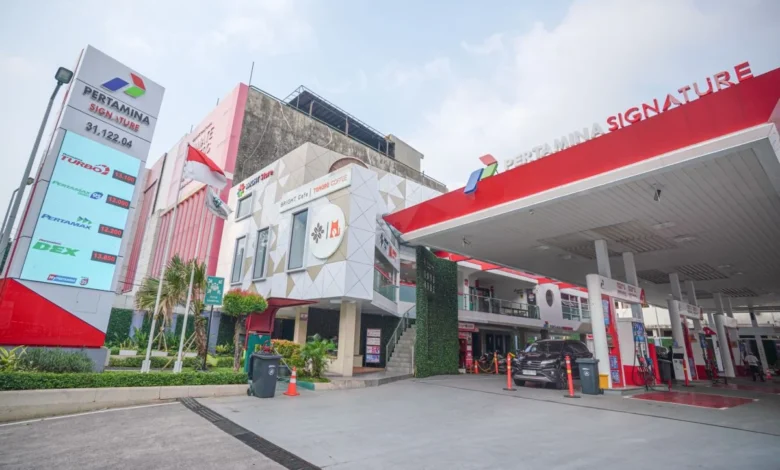
Pertamina Patra Niaga, the commercial arm of Indonesia’s state-owned energy giant Pertamina, is systematically transforming the retail fuel landscape through its strategic rollout of the SPBU Signature concept. This initiative marks a significant departure from traditional refueling stations, positioning gas stations as comprehensive service hubs rather than mere pit stops for energy. By prioritizing non-subsidized fuel products and integrating a suite of high-end amenities, the company is catering to an increasingly sophisticated consumer demographic in Indonesia’s urban centers.
The Evolution of the SPBU Signature Concept
The SPBU Signature initiative is rooted in a broader strategy to modernize Pertamina’s retail footprint. For decades, the standard gas station model in Indonesia focused primarily on the volume-driven sale of subsidized fuels, such as Pertalite and Bio Solar. However, as the Indonesian middle class expands and vehicle ownership patterns shift toward higher-performance engines, the demand for premium fuel products—specifically the Pertamax and Dex series—has surged.
SPBU Signature stations serve as the physical embodiment of this market shift. Unlike conventional stations, these sites are curated to offer an "experience-based" service model. The transition involves a comprehensive overhaul of both infrastructure and operational standards. Employees at these locations undergo specialized training to provide more interactive, concierge-style assistance, ranging from vehicle maintenance advice to navigating digital payment promotions. This elevation in service quality is designed to build brand loyalty among high-frequency users of non-subsidized fuels.
Chronology and Strategic Implementation
The development of the SPBU Signature network has been a calculated, multi-year process. The pilot project was launched in Pondok Indah, South Jakarta, a high-traffic area that provided the ideal testing ground for high-end consumer service standards. Following the success of this initial site, Pertamina Patra Niaga accelerated the deployment of the concept throughout the Greater Jakarta (Jabodetabek) area.
By the end of 2025, the initial cluster of 10 pilot stations had established a proof-of-concept that resonated with urban commuters. As of 2026, the expansion has reached a critical milestone, with at least 13 key locations across Jakarta, Depok, and Bogor having completed their transformation. These sites have been fully repurposed to exclusively serve non-subsidized fuel consumers, marking a clear boundary between the company’s subsidized and commercial portfolios.
Integrated Facilities: A Holistic Approach to Retail
The core value proposition of an SPBU Signature station lies in its holistic facility ecosystem. Recognizing that modern drivers often combine refueling with other errands, Pertamina has integrated several lifestyle amenities into these sites:
- Enhanced Sanitation and Prayer Facilities: Standardized, high-hygiene toilets and spacious, well-maintained prayer rooms (musala) are central to the Signature experience, addressing a common pain point for travelers.
- Bright Store and Lifestyle Integration: Each station is anchored by a Bright Store, which serves as a micro-retail hub. Beyond standard snacks and beverages, these stores often feature bakery sections and premium coffee corners, allowing customers to utilize the station as a workspace or a brief rest area.
- Vehicle Care Services: To ensure that the "one-stop shop" promise is fulfilled, these stations offer specialized services such as nitrogen inflation and professional tire repair. Furthermore, the introduction of complimentary tire-shining services—contingent on reaching a minimum fuel purchase threshold—serves as a tangible incentive for customers to prioritize these stations for their refueling needs.
Supporting Data and Market Dynamics
The strategic shift toward SPBU Signature is supported by data indicating a long-term transition in fuel consumption patterns. With the government’s push for more efficient fuel usage and the environmental necessity of reducing dependence on lower-grade, high-emission fuels, the demand for high-octane products like Pertamax Turbo and high-cetane Dex has been consistently growing.
According to market analysts, the focus on non-subsidized fuels also serves a vital fiscal function. By diverting high-consumption vehicles toward premium products, Pertamina can better manage the national fuel subsidy budget. While these stations do not replace the existing infrastructure for subsidized fuel, they create a parallel, efficient retail network that caters to the premium segment, thereby reducing pressure on stations that continue to serve the mass market.
Official Stance and Clarifications
There has been public discourse regarding the availability of subsidized fuels, particularly Pertalite, at these new stations. Pertamina Patra Niaga has been proactive in clarifying that the SPBU Signature rollout does not equate to the removal of subsidized fuel from the national market.
"The transformation of select stations into the Signature format is a targeted strategy to enhance service quality for a specific segment of our customers," a company spokesperson noted. "It does not represent a nationwide cessation of Pertalite or Bio Solar distribution. For consumers who rely on subsidized fuels, the broader network of Pertamina stations remains fully operational and accessible."
The company emphasizes that the selection of which stations to upgrade is based on rigorous data analysis, focusing on high-traffic corridors and areas where the demographic profile aligns with the demand for premium, non-subsidized fuel.
Implications for the Future of Retail Energy
The implications of the SPBU Signature project are twofold. Firstly, it signals a significant upgrade in the standard of public retail infrastructure in Indonesia. By creating a competitive environment where service quality is a differentiator, Pertamina is forcing a higher standard across the entire sector. Other independent fuel retailers in the country are likely to observe this trend closely, potentially leading to a broader industry shift toward integrated, multi-service retail models.
Secondly, the project acts as a mechanism for behavior modification. By providing a superior, more comfortable experience for those who purchase non-subsidized fuels, Pertamina is incentivizing consumers to move away from subsidized options. This creates a market-driven path toward fiscal consolidation for the state, as fewer individuals rely on government-supported energy prices as their financial status improves.
Geographic Reach and Future Outlook
As of the current phase, the network includes strategic locations in high-density areas such as Jalan S. Parman, Sultan Iskandar Muda, Fatmawati, Cengkareng, Cideng, Pos Pengumben, Antasari, Pasar Minggu, Jenderal Ahmad Yani, Ceger, and Muara Baru. The expansion into the satellite cities of Depok and the Ciampea region in Bogor reflects the company’s intent to capture the commuter market—individuals who spend significant portions of their day on the road and require reliable, high-quality support services.
For consumers seeking to locate these stations, Pertamina has integrated real-time location and facility information into its official digital platforms. This transparency is crucial as the network continues to expand. As the concept matures, observers anticipate that the "Signature" branding may eventually incorporate EV charging stations and other green-energy technologies, further cementing these sites as the future of Indonesian mobility.
In conclusion, the SPBU Signature concept is not merely a cosmetic upgrade to existing gas stations. It is a strategic pivot that reflects the evolving needs of the Indonesian consumer and the macro-economic goals of the nation’s energy sector. By blending efficient, high-performance fuel sales with a modern retail environment, Pertamina is effectively redefining the role of the gas station in the daily life of the urban driver, setting a new benchmark for service excellence and operational efficiency in the Southeast Asian energy market. As the project enters its next phase of growth, the continued emphasis on facility quality, digital integration, and customer-centric service will likely remain the pillars of its success in an increasingly competitive landscape.
Related posts: