National Nutrition Agency Head Sudaryono Affirms Unwavering Commitment to Free Nutritious Meals Program Amidst Calls for Disbandment

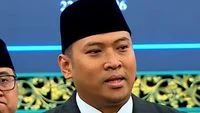
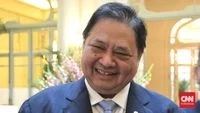
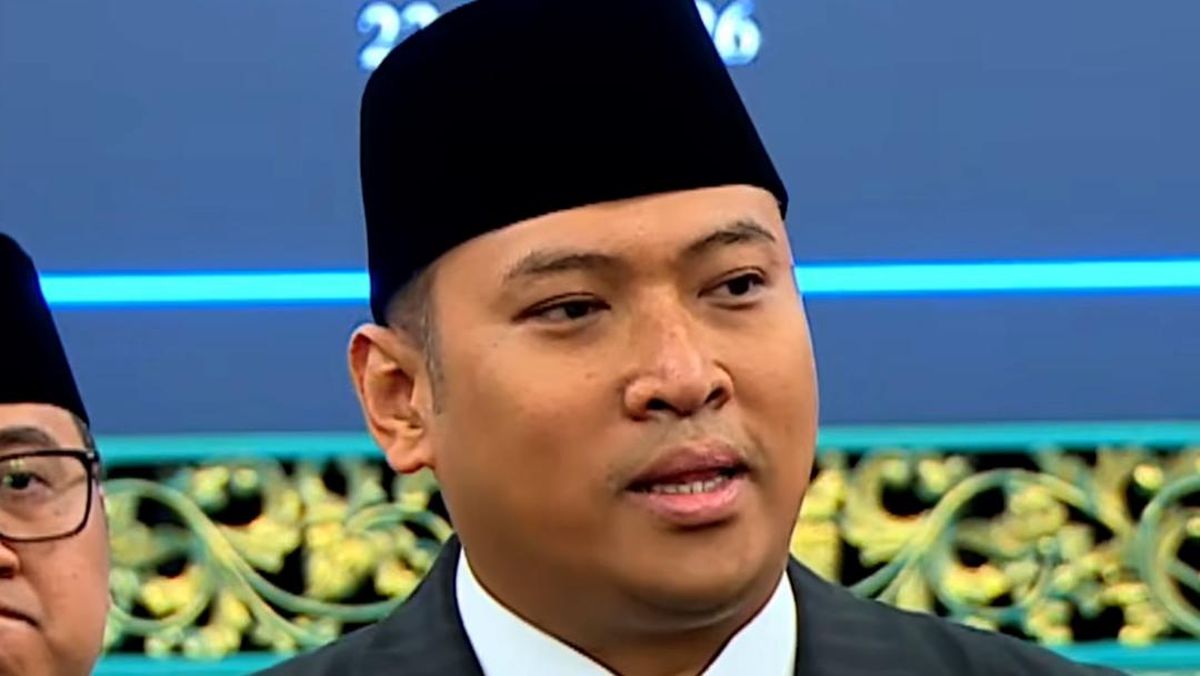
Jakarta, Indonesia – The Head of the National Nutrition Agency (BGN), Sudaryono, has unequivocally stated that the agency lacks the authority to halt the ambitious Free Nutritious Meals (MBG) program, a cornerstone initiative championed by President Prabowo Subianto. Speaking from the BGN office in Central Jakarta on Wednesday, July 22, Sudaryono emphasized that while the agency is fully prepared to embrace constructive criticism and input for improving the program’s implementation, demands for its cessation or the disbandment of BGN itself fall outside the scope of acceptable feedback and the agency’s mandate. This firm stance underscores the government’s commitment to a program that was a central pillar of the President’s electoral campaign.
Sudaryono, a former Deputy Minister of Agriculture, highlighted that the MBG initiative was meticulously planned by President Prabowo Subianto long before his election and extensively communicated to the public during his campaign. "The Free Nutritious Meals program is President Prabowo’s political tender, planned well in advance, presented during the campaign, and he was subsequently elected President," Sudaryono stated, framing the program as a direct fulfillment of an electoral promise. This perspective positions the program as a non-negotiable policy directive, reflecting the democratic mandate received by the new administration.
The BGN chief also addressed the widespread public discussion surrounding MBG, particularly its proliferation across social media platforms. He expressed no objection to the program’s challenges being openly debated online, provided that the information shared is factual and truthful, devoid of hoaxes, slander, or intentional misinterpretations. Sudaryono acknowledged the program’s high profile, recognizing that BGN and MBG are significant public issues that frequently garner attention and can easily become viral topics. He cautioned against the deliberate creation of sensational content lacking factual basis. "I have no problem with how viral it gets, but I want it to be reported or posted based on truth. If there are violations, they must be genuinely true," he asserted, adding a stern warning against "hoaxes, slander, deliberate misinterpretation, or even, to put it crudely, sabotage." This call for responsible discourse reflects the government’s desire to manage public perception and ensure that any critiques contribute to genuine improvements rather than undermining the program through misinformation.
Currently, BGN’s primary focus is on refining the governance framework of the MBG program. This includes ensuring transparent and efficient management of resources, effective coordination across various implementing bodies, and robust oversight mechanisms. Furthermore, a critical mandate for BGN is to guarantee the provision of nutritious and safe food to all designated beneficiaries. These recipients encompass a broad spectrum of vulnerable populations, including children, pregnant women, nursing mothers, and the elderly, underscoring the program’s extensive social safety net objectives. Beyond its immediate nutritional goals, the MBG program is also envisioned to deliver positive economic ripple effects, particularly in rural areas, by stimulating local food production and supply chains.
Background and Context of Indonesia’s Nutrition Challenge
Indonesia, a vast archipelago nation, has long grappled with persistent nutritional challenges, particularly stunting among children. According to the Ministry of Health, despite significant progress, the prevalence of stunting in Indonesia remained a critical public health concern, with figures hovering around 21.6% in 2023, down from 24.4% in 2021. The government has set an ambitious target to reduce stunting to 14% by 2024, a goal that requires comprehensive and multi-sectoral interventions. Stunting, characterized by impaired growth and development due to poor nutrition, repeated infection, and inadequate psychosocial stimulation, has profound long-term consequences, affecting cognitive development, educational attainment, and future economic productivity.
Beyond stunting, other forms of malnutrition, such as micronutrient deficiencies and maternal undernutrition, also contribute to a complex nutritional landscape. Food security, especially in remote and economically disadvantaged regions, remains a key challenge, exacerbated by factors like climate change, supply chain inefficiencies, and fluctuating food prices. It is against this backdrop that the Free Nutritious Meals program emerges as a large-scale, direct intervention aimed at addressing these deeply entrenched issues. The program is not merely about providing food; it’s an integrated strategy to improve health outcomes, enhance human capital, and contribute to the nation’s long-term development goals.
President Prabowo Subianto’s campaign platform prominently featured the MBG program as a flagship initiative designed to tackle stunting, improve public health, and simultaneously empower local economies. His vision posited that by ensuring access to nutritious meals, particularly for the most vulnerable segments of the population, Indonesia could build a healthier, more productive future generation. The program was touted as a significant investment in human capital, aiming to break the intergenerational cycle of poverty and malnutrition. The promise of free nutritious meals resonated deeply with a populace eager for tangible solutions to everyday struggles, becoming a defining policy proposal that differentiated his campaign.
Chronology of the Free Nutritious Meals Program
The journey of the Free Nutritious Meals program from a campaign promise to a national policy initiative can be traced through several key phases:
- Mid-2023 – Early 2024 (Campaign Period): Then-presidential candidate Prabowo Subianto prominently introduces the Free Nutritious Meals program as a central plank of his electoral campaign. He articulates the program’s objectives: addressing stunting, improving maternal and child health, and boosting local economies. The proposal garners significant public attention and becomes a widely discussed topic in political discourse.
- February 14, 2024 (Presidential Election): Prabowo Subianto secures a decisive victory in the presidential election, solidifying the mandate for his campaign promises, including the MBG program.
- March – October 2024 (Transition and Planning Phase): Following the election, intense discussions and planning begin within the incoming administration regarding the implementation strategy for MBG. This period likely involves detailed feasibility studies, budget allocation considerations, and the conceptualization of the operational framework. The role of existing agencies, or the need for new structures like an enhanced National Nutrition Agency (BGN), would be defined.
- Late 2024 – Early 2025 (Initial Rollout Phase – Anticipated): While the exact commencement date for nationwide implementation is yet to be definitively announced, the program is expected to begin its rollout, possibly in pilot phases, targeting specific regions or vulnerable communities. This phase would involve establishing supply chains, engaging local providers, and setting up distribution networks.
- July 22, 2024 (Current Scrutiny and Sudaryono’s Statement): Amidst ongoing public discussions and anticipation, Sudaryono, as Head of BGN, issues his statement affirming the program’s continuation, BGN’s commitment to improvement, and its zero-tolerance stance on misinformation, as reported by CNN Indonesia. This marks a critical juncture where public scrutiny intensifies even before full-scale implementation, highlighting the high expectations and potential challenges.
Program Scope, Objectives, and Expected Impact
The MBG program is envisioned as a multi-faceted initiative with far-reaching objectives. At its core, it aims to deliver daily nutritious meals to millions of beneficiaries across Indonesia. The target groups are strategically chosen to address critical windows of opportunity for improving health and development:
- Children: Particularly those in early childhood development centers, schools, and vulnerable households, to combat stunting and improve cognitive function.
- Pregnant Women: To ensure adequate maternal nutrition, reducing the risk of low birth weight, birth complications, and improving fetal development.
- Nursing Mothers: To support healthy lactation and overall maternal well-being, which directly impacts infant health.
- Elderly: To address nutritional deficiencies common in older age, promoting better health and quality of life.
The program’s design emphasizes not just the quantity but also the quality and safety of the food provided. BGN’s commitment to "ensuring the provision of nutritious and safe food" implies rigorous standards for meal preparation, ingredient sourcing, and hygiene protocols. This would likely involve collaboration with food safety authorities and local health departments.
Beyond direct nutritional benefits, the MBG program is also designed to act as an economic stimulus, particularly for rural communities. By prioritizing local sourcing of ingredients from farmers, fishermen, and small-scale food producers, the program aims to:
- Boost Agricultural Sector: Create stable demand for local produce, supporting farmers’ livelihoods and encouraging agricultural growth.
- Empower Small and Medium Enterprises (SMEs): Engage local caterers, food preparation services, and logistical providers, fostering entrepreneurship and job creation in villages and districts.
- Strengthen Local Economies: Circulate funds within local communities, reducing economic disparities between urban and rural areas.
This dual objective of social welfare and economic development positions MBG as a holistic national strategy, aiming to leverage government spending for broad-based community benefit.
Supporting Data and Potential Scale
While specific budgetary details for the MBG program are still under review and subject to final legislative approval, the sheer scale of its ambition suggests a substantial financial commitment. Estimates from various economic analysts and government officials have placed the potential annual budget in the tens of trillions of Indonesian Rupiah (equivalent to billions of US dollars), depending on the scope and frequency of meal distribution. For context, Indonesia’s total state budget typically allocates significant portions to social protection and infrastructure. A program of this magnitude would represent one of the largest social safety net initiatives in the nation’s history.
Consider the following illustrative data points that underscore the context and potential impact:
- Population Demographics: With a population exceeding 270 million, and a significant proportion being children, pregnant women, and elderly, the number of potential beneficiaries could easily run into tens of millions. For instance, if the program targets all children in elementary schools (approx. 25-30 million) and a significant portion of pregnant women (approx. 5 million annually), the logistical and financial implications are immense.
- Food Consumption Patterns: Studies indicate that many low-income households struggle to meet daily nutritional requirements. The MBG program aims to bridge this gap, potentially improving dietary diversity and caloric intake for vulnerable groups.
- Rural Economic Contribution: The agricultural sector employs a large percentage of Indonesia’s workforce. Direct procurement from local farmers for the MBG program could inject substantial capital into rural economies, potentially lifting thousands out of poverty and stimulating agricultural innovation.
- Stunting Reduction Trajectory: If effectively implemented, the program could significantly accelerate the reduction of stunting rates, moving Indonesia closer to its national health targets and aligning with global sustainable development goals (SDGs).
Official Responses and Managing Public Scrutiny
Sudaryono’s statements reflect a calculated approach by the government to manage public expectations and address criticisms head-on. By openly acknowledging that BGN is "open to receiving criticism and input from various parties," the agency attempts to project an image of transparency and responsiveness. However, his caveat that criticism must not equate to calls for disbandment or cessation delineates the boundaries of acceptable discourse, signaling that fundamental policy decisions are not up for re-evaluation by the agency.
The emphasis on factual reporting and the strong condemnation of hoaxes, slander, and "sabotage" also highlight the government’s concern over the potential for misinformation to derail public support or undermine the program’s credibility. In an era of rapid information dissemination through social media, managing narratives becomes crucial for large-scale government initiatives. This concern is particularly pertinent given the program’s high visibility and the political capital invested in it by President Prabowo.
Sudaryono’s background as a former Deputy Minister of Agriculture lends weight to his understanding of supply chains and rural economies, providing an implicit assurance regarding the program’s economic facets. His focus on "improving the governance of the MBG program" and "ensuring the provision of nutritious and safe food" indicates a proactive stance towards addressing potential operational challenges related to transparency, efficiency, and food quality – common concerns for large public feeding programs.
Broader Impact and Implications
The Free Nutritious Meals program, if successfully implemented, carries profound implications across several sectors:
Social and Health Implications
The most immediate impact is expected to be a significant improvement in the nutritional status of millions. By providing consistent access to balanced meals, the program could:
- Reduce Stunting and Wasting: Directly contribute to the reduction of malnutrition indicators, fostering healthier physical and cognitive development in children.
- Improve Maternal Health: Enhance the health outcomes for pregnant and nursing mothers, leading to healthier pregnancies and infants.
- Boost Educational Attainment: Well-nourished children are more likely to attend school regularly, concentrate better, and achieve higher academic outcomes, breaking cycles of intergenerational poverty.
- Enhance Public Health: Strengthen overall community health by reducing susceptibility to diseases linked to malnutrition.
Economic Implications
The program’s design to stimulate local economies has several potential benefits:
- Rural Development: Create substantial demand for local agricultural products, benefiting farmers and local food industries, particularly in underserved regions. This could lead to increased income for rural households and reduce urban migration pressures.
- Job Creation: Generate employment opportunities in food preparation, logistics, and distribution across the archipelago.
- Market Stabilization: Provide a stable market for agricultural commodities, potentially reducing price volatility for staple foods.
- Increased Productivity: A healthier workforce, resulting from improved nutrition, is generally more productive, contributing to overall economic growth.
Political and Governance Implications
As a flagship program of the new administration, MBG’s success or failure will have significant political ramifications:
- Presidential Legacy: The program’s effectiveness will be closely tied to President Prabowo’s legacy, demonstrating his administration’s ability to deliver on key promises and address fundamental societal issues.
- Public Trust: Successful implementation can enhance public trust in government institutions and policies, while failures could erode confidence.
- Inter-Agency Coordination: The program necessitates complex coordination among various government ministries and agencies (e.g., Health, Agriculture, Education, Social Affairs, Finance), testing the efficiency of inter-agency governance.
- Transparency and Accountability: Given the massive scale and budget, ensuring transparency in procurement, distribution, and financial management will be paramount to prevent corruption and maintain public confidence. Robust monitoring and evaluation mechanisms will be crucial.
Challenges and Risks
Despite its potential, the MBG program faces significant operational and logistical challenges:
- Supply Chain Management: Ensuring a consistent supply of quality, nutritious food to remote areas of an archipelagic nation is a monumental task, requiring robust logistics and infrastructure.
- Quality Control: Maintaining consistent food quality, safety, and nutritional standards across millions of meals daily will be a complex undertaking.
- Funding Sustainability: Securing long-term, sustainable funding will be critical, especially given the program’s potentially enormous cost.
- Leakage and Corruption: Large-scale programs are often vulnerable to corruption and inefficiencies, necessitating stringent oversight and accountability measures.
- Community Acceptance and Participation: Ensuring the program is well-received and actively supported by local communities, and that it genuinely addresses their needs, is vital for its long-term success.
In conclusion, the Free Nutritious Meals program stands as a testament to President Prabowo Subianto’s commitment to improving public health and fostering economic growth in Indonesia. Sudaryono’s resolute stance on its continuation, coupled with BGN’s commitment to refining its governance and ensuring food quality, underscores the high stakes involved. The path forward for MBG will undoubtedly be complex, requiring meticulous planning, transparent execution, and continuous adaptation in response to feedback and challenges. Its success will not only depend on the efficient delivery of meals but also on effective communication, robust oversight, and genuine public engagement, ultimately shaping the health and economic trajectory of a nation.
Related posts: