MUI Banyumas Proposes Criminal Sanctions for LGBT Individuals, Citing Societal Concerns

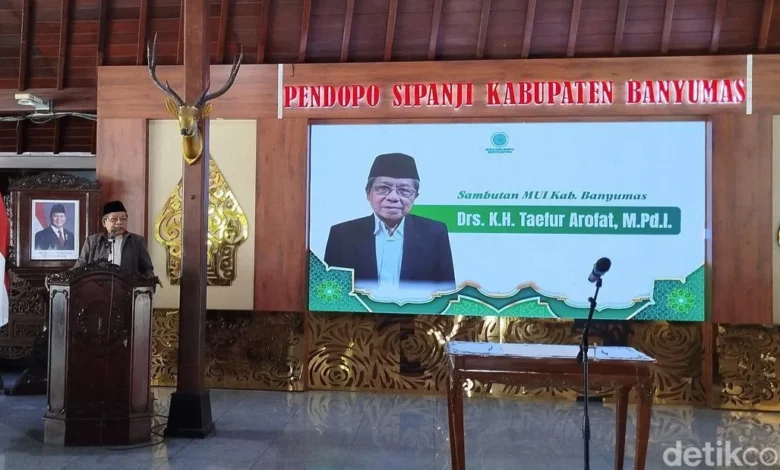
BANYUMAS, INDONESIA – The Indonesian Ulema Council (MUI) in Banyumas Regency has officially proposed the implementation of criminal sanctions for individuals engaging in Lesbian, Gay, Bisexual, and Transgender (LGBT) behavior. This significant proposal was formally articulated during a consultative forum and declaration event titled "Banyumas Rejects LGBT Behavior and Normalization," which took place on Friday, July 24, 2026, at the Pendopo Si Panji in Purwokerto. The initiative stems from what MUI leadership describes as a deep-seated societal unease and a commitment to upholding religious and moral values within the community.
Context and Rationale Behind the Proposal
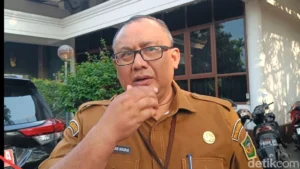
KH Taefur Arofat, the Chairman of MUI Banyumas, emphasized that the proposal is a direct response to the prevailing aspirations and anxieties within the Banyumas community concerning evolving social phenomena. He stated that this movement is an endeavor to reinforce a collective commitment to safeguarding religious and moral tenets. "This movement is a response to the anxieties of the Banyumas community. We want to strengthen our collective commitment to safeguarding religious and moral values. This is also part of our efforts to continue the struggle of MUI Central, including encouraging the birth of stricter regulations," Taefur articulated during his presentation on Friday, July 24, 2026.
The core of MUI Banyumas’s proposal centers on advocating for legislative measures that would enable legal frameworks for imposing criminal penalties on individuals identified as engaging in LGBT practices. This is framed not as an act of persecution, but as a necessary step to address what the organization perceives as a threat to societal norms and values. The intent, as articulated by Taefur, is to push for a regulatory environment that is more assertive in its stance against what they define as aberrant social behaviors.
Official Endorsement and Community Engagement
The Bupati (Regent) of Banyumas, Sadewo Tri Lastiono, while not directly endorsing the criminalization aspect, underscored the critical need for comprehensive societal involvement in safeguarding the younger generation from various social challenges. He highlighted that the prevention of social issues transcends the purview of the health sector alone, necessitating a unified approach involving families, educational institutions, religious leaders, and local government.
"Protecting the younger generation is a shared responsibility. Therefore, families, educational institutions, religious leaders, and the government must walk hand in hand. The prevention of various social issues must start from the closest environment, by strengthening character education and good communication within the family," Sadewo stated. He further elaborated on the multifaceted threats confronting youth, including drug abuse, illicit substances, promiscuity, and addiction to digital content, which he collectively termed "digital drugs" or "narkolema." He urged parents to enhance their oversight of technology use and foster open communication channels with their children.
The Role of the Consultative Forum
The Sarasehan (consultative forum) itself was positioned as a platform for dialogue and collaboration. Prof. Dr. H. Fauzi, M.Ag, the Head of the Organizing Committee, clarified the event’s objectives, stating that it was not intended to foster hatred towards any specific group or individual. Instead, the forum was designed to create a space for synergy between religious scholars, government officials, academics, and the wider community to confront social challenges through an educational approach.
"This sarasehan serves as a common space to strengthen collaboration among all elements of society. What we aim to build is collective awareness so that religious, moral, and cultural values remain the foundation of Banyumas society’s life, while simultaneously strengthening protection for the younger generation," he concluded. This framing suggests an emphasis on community-wide consensus-building and the promotion of established societal values as a bulwark against perceived negative influences.
Broader Societal and Legal Implications
The proposal from MUI Banyumas brings to the forefront a contentious issue that has seen various legislative and social debates across Indonesia. While the specific legal mechanisms for implementing such criminal sanctions are yet to be detailed, the call for them signals a desire among certain religious and community groups for stronger state intervention in regulating personal behavior deemed contrary to religious and moral doctrines.
Historically, discussions around criminalizing same-sex relationships or related behaviors in Indonesia have been complex, often influenced by religious interpretations and societal norms. While there isn’t a nationwide law specifically criminalizing consensual same-sex acts between adults, regional regulations and interpretations of existing laws, particularly those related to public morality and decency, have been used in some contexts. The MUI’s proposal suggests a move towards more explicit and legally defined penalties.
Supporting Data and Precedents:
- Regional Regulations: Several regions in Indonesia have enacted local regulations that, while not explicitly targeting LGBT individuals by name, have been interpreted and applied to restrict public displays of affection or behaviors associated with the LGBT community. For instance, some bylaws related to "public order" and "morality" have been cited in such instances.
- National Debates: The Indonesian parliament has, in the past, debated and considered legislative proposals that would include provisions criminalizing same-sex relations. While these have faced significant opposition from human rights groups and international bodies, the underlying sentiment reflects ongoing societal divisions on the issue.
- Societal Attitudes: Surveys and studies on public attitudes towards LGBT individuals in Indonesia often reveal a divided landscape, with significant portions of the population holding conservative religious views that do not accept same-sex relationships. However, there are also growing voices advocating for tolerance and non-discrimination.
Analysis of Potential Impacts
The implications of MUI Banyumas’s proposal are far-reaching. If adopted into national or regional legislation, it could lead to:
- Legal Challenges: Such laws would likely face significant legal challenges from human rights organizations and legal experts, both domestically and internationally, citing potential violations of privacy, non-discrimination, and human rights principles.
- Increased Discrimination and Stigma: The formal criminalization of LGBT individuals could exacerbate existing discrimination and stigma, potentially leading to increased social ostracization, harassment, and violence against the LGBT community.
- Impact on Public Health Initiatives: Criminalization could drive LGBT individuals further underground, hindering vital public health efforts, such as HIV/AIDS prevention and treatment, which rely on open communication and access to services.
- International Scrutiny: Indonesia’s stance on LGBT rights is closely watched by the international community. The implementation of such punitive measures could impact diplomatic relations and international aid.
- Erosion of Civil Liberties: Critics argue that such legislation could set a dangerous precedent for the erosion of civil liberties and the expansion of state intrusion into private lives based on religious or moral grounds.
Future Trajectory and Reactions
The proposal by MUI Banyumas represents a significant step in the ongoing debate surrounding LGBT rights in Indonesia. The extent to which this proposal will influence national policy remains uncertain, as it will likely face considerable opposition from various civil society groups and potentially from within government structures that are more inclined towards protecting human rights and individual freedoms.
While no direct counter-statements were immediately available from national LGBT advocacy groups following the event, their established positions typically emphasize the need for non-discrimination, legal protection, and the decriminalization of consensual adult relationships. They often highlight the human rights framework and the importance of inclusivity.
The call for criminal sanctions by MUI Banyumas, coupled with the Bupati’s emphasis on community-wide responsibility for youth protection, highlights the complex interplay of religious, moral, and social concerns that shape public discourse in Indonesia. The event in Banyumas serves as a focal point for these discussions, underscoring the persistent societal divisions and the ongoing quest for legislative and social frameworks that reflect deeply held values and evolving societal norms. The coming months and years will likely see further debate and potential legislative action stemming from such initiatives, with significant implications for human rights and social justice in Indonesia.