Invasive Catfish Plague Polder Tawang Waters in Semarang, Anglers Express Growing Concern

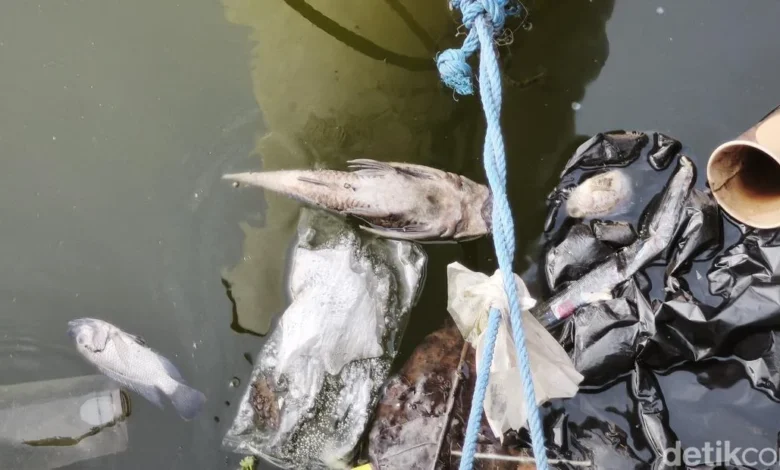
Semarang, Indonesia – A disconcerting proliferation of invasive suckermouth catfish, commonly known as "ikan sapu-sapu" in Indonesian, has stirred significant unease among residents and recreational anglers in the Polder Tawang area of North Semarang District, Semarang City. Reports indicate that fishermen have been catching dozens of these unwelcome aquatic inhabitants, raising alarms about the ecological health of the local waterways.
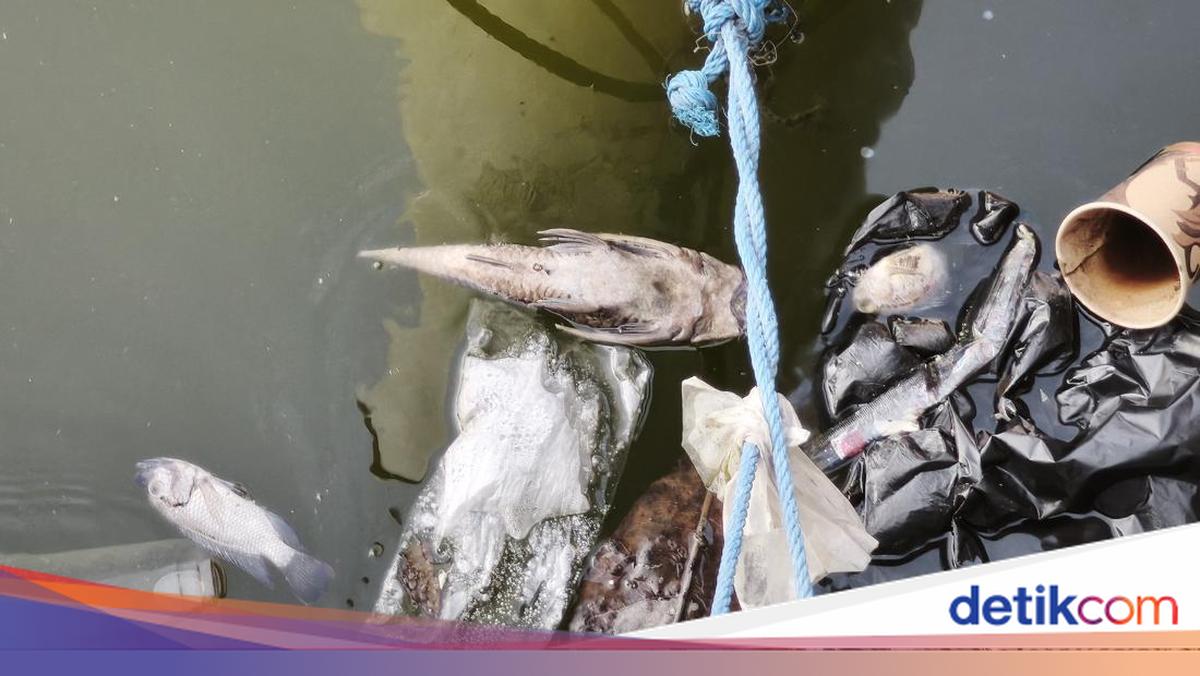
The visual evidence of the problem is stark. Observations made on Monday, April 20, 2026, revealed that the waters within the polder, as well as adjacent rivers and canals, were visibly murky. This turbidity made it challenging to ascertain the full extent of the suckermouth catfish population submerged beneath the surface. However, several of these invasive fish were seen surfacing, and tragically, one dead specimen was observed floating in the Polder Tawang, a grim testament to their presence and potential impact.
Anglers, who frequent the Polder Tawang for their sport, have been at the forefront of witnessing this ecological imbalance. Sugeng, a local fisherman, shared his firsthand experience, confirming the abundance of suckermouth catfish in the area. "There are many (suckermouth catfish in the Polder Tawang waters). I often catch them when I’m fishing," Sugeng stated during an interview at Polder Tawang on Monday afternoon.
His accounts paint a vivid picture of the scale of the infestation. Sugeng recounted a recent fishing excursion where he managed to catch an astonishing 13 suckermouth catfish in a single outing. He also described encountering a specimen of considerable size, comparable to an adult men’s sandal, highlighting the rapid growth and substantial presence of these fish. "Just yesterday, I went fishing here and caught 13 (suckermouth catfish). I once caught a suckermouth catfish as big as a man’s sandal," he revealed.
The recurring catches of these invasive species are not merely a nuisance for Sugeng; they are actively disrupting his pastime and potentially damaging his equipment. "Every time I fish, I’m sure to catch these fish. When fishing like this, they are always a disturbance. I’m concerned because they damage my fishing gear," he explained, articulating the frustration felt by many in the angling community.
In an effort to mitigate the impact and prevent further disruption, Sugeng stated that he immediately discards any suckermouth catfish he catches onto dry land. This practice, he explained, is intended to prevent the invasive fish from preying on or interfering with the native fish species that anglers seek. "I throw them onto land when I catch them so they don’t bother the others," he clarified.
A similar sentiment was echoed by Doni, a mechanic working in the vicinity of Polder Tawang. He corroborated the observations of a significant suckermouth catfish population. "There are many suckermouth catfish here, really a lot," Doni asserted. He frequently observes these fish, noting their tendency to leap to the water’s surface. "I see them often. They jump around," he remarked.
Doni also provided insight into the local fishing experience, noting that while anglers might consider themselves fortunate to catch tilapia, the prevalent catch in nets is often suckermouth catfish. He indicated that these invasive fish have been a fixture in the Polder Tawang waters for a considerable period. "If people fish, they are lucky if they catch tilapia. Usually, when using nets, they catch a lot of suckermouth catfish. They have been here for a long time," he elaborated.
Ecological Background and Invasive Species Threat
The proliferation of suckermouth catfish in Polder Tawang raises broader ecological concerns. Suckermouth catfish (family Loricariidae) are native to South and Central America and were introduced to many parts of the world, including Southeast Asia, as ornamental aquarium fish. Their popularity stems from their ability to consume algae and keep aquarium tanks clean. However, when released into natural waterways, either intentionally or accidentally, they can become highly invasive.
These fish are known for their hardiness, adaptability to a wide range of water conditions, and rapid reproduction rates. They are omnivorous, with a diet that can include algae, detritus, and even the eggs and larvae of native fish. Their tough, armored bodies make them difficult prey for native predators, further contributing to their unchecked population growth.
Invasive species like the suckermouth catfish can have profound negative impacts on aquatic ecosystems. They can outcompete native fish for food and habitat, leading to declines in native populations. Their feeding habits can alter the food web, and their digging activities can disturb sediment, affecting water quality and the habitat of other aquatic organisms.
Official Response and Potential Mitigation Strategies
The Semarang City Fisheries Agency has acknowledged the growing issue of suckermouth catfish in local waters. Soenarto, the Head of the Semarang City Fisheries Agency, stated that Polder Tawang presents an ideal environment for the proliferation of these invasive fish. "They inhabit calm and dirty waters. Especially in Polder Tawang, because the water is green and calm, they have the potential to breed," Soenarto explained.
The agency has also identified the presence of suckermouth catfish in other significant water bodies, including the East and West Flood Canals (Banjir Kanal Timur and Barat). While acknowledging their presence in these areas, Soenarto indicated that the current population levels do not constitute a widespread outbreak. "We recently found them at several points in the East Flood Canal and the West Flood Canal. In both the East and West Flood Canals, based on observations and interviews with fishermen, this is also a fish that is not pleasing to fishermen," he noted.
"Regarding the population level, for fishermen catching suckermouth catfish, this has not yet become an epidemic," he added.
Despite the current assessment that the situation is not an immediate epidemic, the Fisheries Agency recognizes the need for proactive measures. Soenarto stated that the agency will consider implementing preparedness measures and further investigate the presence of these invasive fish. "However, this will be our consideration for more technical aspects. We will see because in several locations, such as Polder Tawang, the suckermouth catfish frequently appear on the surface, indicating a significant preference. This will be our effort for preparedness, and we will explore it further and follow up, similar to what is being done in Jakarta," he concluded.
The reference to Jakarta suggests that the agency may be looking to implement strategies that have been employed in the Indonesian capital to manage invasive fish populations. These could include targeted removal programs, public awareness campaigns to prevent further release of aquarium fish into the wild, and potentially exploring biological control methods if deemed appropriate and safe for the ecosystem.
Broader Implications and Community Concerns
The situation in Polder Tawang is emblematic of a larger environmental challenge faced by urban areas worldwide: the impact of invasive species. The murkiness of the water itself is a potential indicator of ecological distress, which could be exacerbated by the presence of a dominant invasive species. The stress on the local ecosystem is palpable, impacting not only the fish populations but also the quality of the water for other uses and the aesthetic appeal of these public spaces.
For the local community, the presence of the suckermouth catfish is a tangible sign of environmental degradation. Anglers, who often have a deep connection with local waterways, are particularly sensitive to these changes. Their frustration is understandable, as their hobby is being compromised by an ecological imbalance. Beyond the fishing community, the visual of dead fish and the general decline in water quality can affect the perception and use of public spaces like Polder Tawang.
The commitment by the Semarang City Fisheries Agency to investigate further and consider preparedness measures is a positive step. However, effective management of invasive species often requires a multi-pronged approach involving not only government agencies but also community engagement and robust scientific monitoring.
A Look at Potential Solutions and Future Outlook
The experience of other cities facing similar challenges with invasive fish can offer valuable lessons. In some instances, community-led clean-up drives coupled with educational programs have proven effective in raising awareness and fostering a sense of shared responsibility. Scientific studies can help determine the most effective methods for population control, whether through mechanical removal, the introduction of natural predators (with extreme caution to avoid introducing new problems), or habitat modification.
The success of any intervention will likely depend on a thorough understanding of the suckermouth catfish’s life cycle, breeding habits, and interactions within the Polder Tawang ecosystem. The Fisheries Agency’s commitment to "follow up like in Jakarta" suggests a willingness to adopt proven strategies, which could involve systematic surveys to map the extent of the infestation and the development of targeted eradication or control programs.
The prolonged presence of these invasive fish, as indicated by Doni, suggests that the problem may have developed over time, highlighting the importance of early detection and rapid response for future environmental threats. The current concerns in Polder Tawang serve as a crucial reminder of the delicate balance within urban aquatic ecosystems and the ongoing need for vigilance and proactive management to preserve biodiversity and environmental health for the benefit of all Semarang residents. The coming months will be critical in observing how the Semarang City Fisheries Agency translates its commitment into concrete actions to address this escalating ecological concern.