The Indonesian government has issued a measured but firm response to the new trade tariffs announced by the United States Trade Representative (USTR), which target several trading partners, including Indonesia. Jakarta’s Ministry for Economic Affairs underscored the nation’s proactive commitment and robust regulatory framework aimed at preventing and eradicating forced labor within global supply chains, a key concern highlighted in the USTR’s Section 301 investigation. This development marks a significant juncture in US-Indonesia trade relations, necessitating strategic adjustments and intensified diplomatic efforts from the Southeast Asian economic powerhouse.
Background to US Trade Policy and Section 301
The imposition of these new tariffs stems from a Section 301 investigation under the US Trade Act of 1974, a powerful tool that allows the USTR to investigate and respond to unfair trade practices by foreign countries. Historically, Section 301 has been a controversial instrument, often criticized by other nations and the World Trade Organization (WTO) for its unilateral nature, which can bypass multilateral dispute resolution mechanisms. However, successive US administrations have utilized it to address perceived trade imbalances or protect domestic industries.
Under the administration of former President Donald Trump, Section 301 was frequently invoked, most notably in the extensive trade dispute with China. The "America First" agenda championed by Trump prioritized domestic production and aimed to reduce trade deficits, often through the application of tariffs. While the specific tariffs initially proposed by the Trump administration were broad, the US Supreme Court’s decision to invalidate some of these more aggressive measures necessitated a recalibration of US trade policy. The new tariffs, ranging from 10 percent to 12.5 percent, appear to be a refined approach to continue pursuing the administration’s trade objectives within legal parameters. The White House has explicitly stated its intent to use all available instruments to advance its trade agenda, signaling a continued assertive stance on trade matters.
Indonesia’s Proactive Engagement and Distinct Position
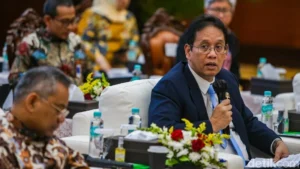
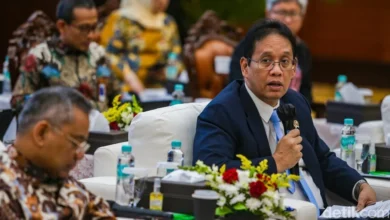
Indonesia’s Ministry for Economic Affairs, through its spokesperson Haryo Limanseto, articulated that the USTR has acknowledged Indonesia as a country actively committed to combating forced labor. This recognition is crucial, as the prevention of forced labor in global supply chains has become an increasingly prominent issue in international trade, driven by ethical concerns, human rights advocacy, and consumer demand for responsibly sourced products. Indonesia has reportedly been in continuous communication with the US government throughout the Section 301 investigation, actively participating in all stages. This engagement included submitting written documents, attending public hearings, and engaging in inter-governmental consultations. The scope of the investigation encompassed two primary issues: "excess capacity" in the manufacturing sector and the prohibition of imports of goods produced using forced labor.
While Indonesia is among the 17 countries or regions, including Malaysia, India, Mexico, Canada, and the United Kingdom, facing a 10 percent additional tariff, the government also highlighted that several Indonesian products have been placed on a list of product exemptions. This partial exemption suggests that the USTR’s findings might differentiate between various sectors or specific supply chains within Indonesia, acknowledging efforts made in certain areas. The Indonesian government is now awaiting further investigation results concerning "excess capacity," which are expected to be published shortly. Jakarta hopes that the final tariffs implemented will remain advantageous for Indonesia, particularly by accommodating products that have already secured exemptions through bilateral agreements like the Agreement on Reciprocal Trade (ART).
Details of the New US Tariffs and Implementation Timeline
The new tariff policy, as announced by former President Donald Trump and subsequently refined, is set to take effect on July 24, 2026. This future effective date provides a relatively long lead time for affected countries and industries to adapt, allowing for continued negotiations and strategic adjustments. Indonesia, along with 16 other countries, will face a 10 percent additional tariff on selected imports. Meanwhile, 38 other nations, including China, will be subjected to a higher 12.5 percent tariff. A senior White House official, explaining the policy, emphasized that the US government would not permit its primary trade objectives and policies to be undermined by legal restrictions or other factors, reaffirming the administration’s commitment to its trade agenda. This statement underlines a determination to use domestic legal instruments to enforce trade priorities, even if they face international scrutiny or domestic legal challenges.
Indonesia’s Strategic Response to Safeguard Exports
In anticipation of the tariffs and to maintain the competitiveness of its national exports, the Indonesian government has outlined a two-pronged strategy:
-
Domestic Regulatory Simplification: On the domestic front, the government plans to streamline regulations pertaining to the import of raw materials. The objective is to reduce production costs for Indonesian manufacturers, thereby making their export products more competitive in international markets, including the US. By cutting bureaucratic red tape and potentially reducing tariffs or non-tariff barriers on essential inputs, Indonesia aims to absorb some of the impact of the new US tariffs and support its manufacturing base. This move is critical for industries heavily reliant on imported components, such as electronics, textiles, and automotive parts, which are also significant export sectors.
-
Market Diversification and Optimization: From a market perspective, Indonesia intends to optimize its existing trade agreements and aggressively pursue new market openings. This strategy aims to reduce over-reliance on any single market and build resilience against protectionist measures from major trading partners.
- Leveraging Existing FTAs: Indonesia will maximize the benefits from agreements already in force, such as the Indonesia-Australia Comprehensive Economic Partnership Agreement (IA-CEPA), the Indonesia-Korea CEPA (IK-CEPA), and the Regional Comprehensive Economic Partnership (RCEP). These agreements provide preferential access to large and growing markets, offering alternative destinations for Indonesian goods. For example, IA-CEPA offers duty-free access for 99% of Indonesian goods into Australia, while RCEP connects Indonesia to a vast market encompassing ASEAN, China, Japan, South Korea, Australia, and New Zealand.
- Accelerating New FTAs: To further diversify its export destinations and reduce dependence on the US market, Indonesia is accelerating negotiations for several new free trade agreements. These include the Indonesia-Eurasian Economic Union Free Trade Agreement (I-EAEU FTA), the Indonesia-European Union CEPA (IEU-CEPA), and the Indonesia-Canada CEPA (ICA-CEPA). The IEU-CEPA, in particular, holds immense potential, aiming to create one of the world’s largest free trade zones and providing Indonesian products access to the affluent European single market. Similarly, the ICA-CEPA would open up the North American market beyond the US, offering new avenues for trade and investment.
Economic Context: US-Indonesia Trade Relations
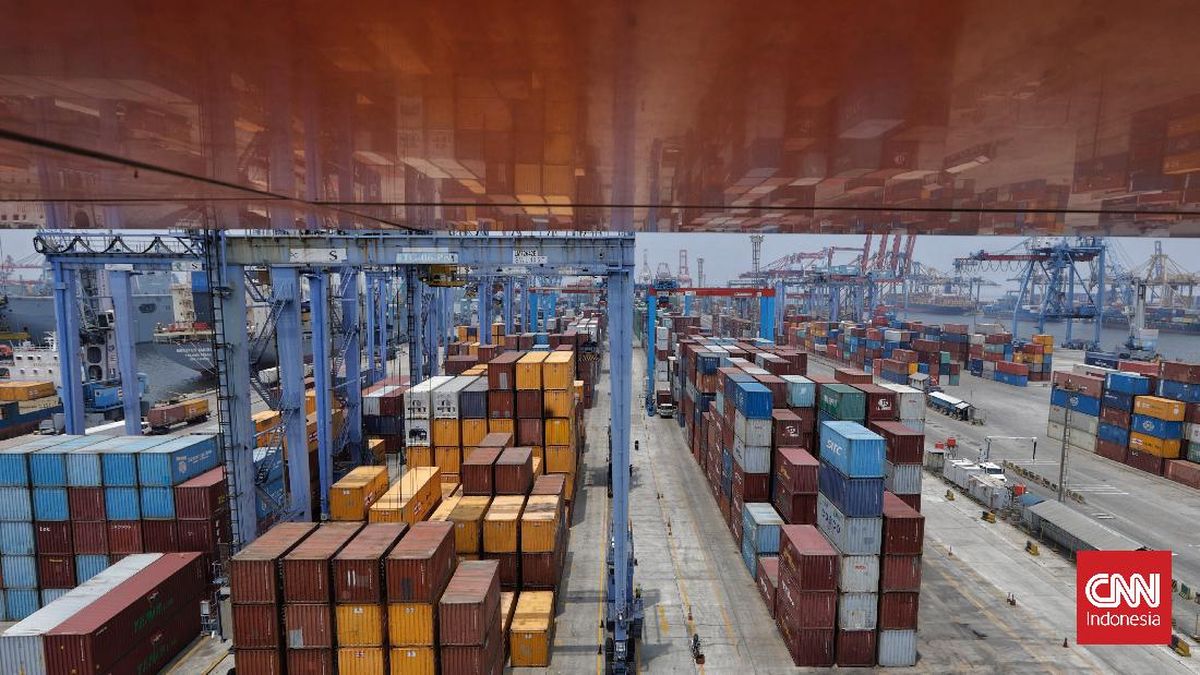
The United States is one of Indonesia’s most significant trading partners. In recent years, bilateral trade has consistently been in Indonesia’s favor, with substantial exports to the US. Key Indonesian exports to the US include textiles and apparel, footwear, rubber products, electrical machinery, furniture, and fisheries products. According to recent trade data, Indonesia’s exports to the US often exceed $20 billion annually, making the US a crucial market for many Indonesian industries, supporting numerous jobs. A 10 percent additional tariff, even with some product exemptions, could potentially reduce the competitiveness of these goods, leading to higher prices for US consumers or reduced margins for Indonesian exporters. This could, in turn, impact export volumes and potentially slow down economic growth in affected sectors within Indonesia. The scale of the impact will depend heavily on the price elasticity of demand for Indonesian products in the US and the ability of Indonesian exporters to absorb the additional costs or pivot to other markets.
The Issue of Forced Labor in Global Supply Chains
The USTR’s focus on forced labor reflects a growing global imperative to ensure ethical and sustainable supply chains. International Labor Organization (ILO) conventions, such as Convention 29 on Forced Labour and Convention 105 on the Abolition of Forced Labour, provide the foundational framework for combating this issue. Many countries, including the US, have laws like the Tariff Act of 1930 (Section 307) which prohibits the importation of goods made wholly or in part with forced labor. Indonesia, as a signatory to several international labor conventions and a member of the ILO, has a legal and moral obligation to prevent forced labor. The Indonesian government’s emphasis on its regulatory framework, which includes laws and enforcement mechanisms against human trafficking and exploitative labor practices, is an attempt to demonstrate compliance and differentiate itself from countries where such practices might be more pervasive or less addressed. Proving the effectiveness of these frameworks and their enforcement will be key to mitigating the tariffs linked to this concern.
Addressing Excess Capacity
The second major issue in the USTR investigation, "excess capacity," refers to a situation where a country’s manufacturing output significantly exceeds its domestic demand, leading to an oversupply of goods. This oversupply can result in dumping—selling goods in foreign markets at prices below their production cost—which can harm domestic industries in importing countries. Sectors frequently associated with excess capacity concerns globally include steel, aluminum, solar panels, and certain advanced manufacturing components, particularly those heavily subsidized by state policies. While the original article does not specify which Indonesian sectors are under scrutiny for excess capacity, it’s a critical concern for any country with a substantial manufacturing base. The USTR’s upcoming investigation results on this matter will shed more light on specific industries in Indonesia that might be deemed to have excess capacity, and thus be further impacted by the tariffs.
Implications and Forward Outlook
The new US tariffs present both challenges and opportunities for Indonesia. Economically, the immediate challenge is to mitigate the potential reduction in export earnings and maintain the competitiveness of key industries. Indonesian businesses, particularly small and medium-sized enterprises (SMEs) that rely heavily on US markets, may face increased pressure. However, the situation also provides a strong impetus for Indonesia to accelerate its diversification efforts, both in terms of export products and market destinations. Success in leveraging existing FTAs and securing new ones will be critical in buffering the impact of US protectionist measures.
From a diplomatic perspective, Indonesia’s proactive engagement with the USTR and its emphasis on its commitment to combat forced labor are crucial for maintaining positive bilateral relations with the US. While tariffs can create friction, demonstrating transparency and adherence to international standards can help in mitigating long-term damage to diplomatic ties.
The broader implications for global trade are also significant. The continued use of unilateral trade measures by major economies like the US signals a potential shift away from multilateralism and towards more bilateral or regional trade arrangements. This trend could lead to a more fragmented global trading system, with complex rules of origin and varying tariff schedules, making international trade more challenging for businesses worldwide. For Indonesia, navigating this evolving global trade landscape will require strategic agility, robust diplomatic efforts, and a continuous commitment to improving its domestic regulatory environment to align with international best practices and maintain its attractiveness as a reliable trading partner. The coming years, especially leading up to the July 2026 effective date, will be critical for Indonesia to solidify its position and adapt to these new trade realities.