Forest Bathing The Japanese Art of Shinrin-Yoku Emerges as a Vital Tool for Modern Stress Management and Immune Support

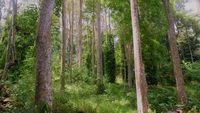
As global urbanization reaches unprecedented levels and digital saturation becomes a primary driver of psychological fatigue, a traditional Japanese practice known as Shinrin-yoku is gaining significant recognition within the international medical and wellness communities. Often translated as "forest bathing," this practice involves more than a simple walk in the woods; it is a structured therapeutic approach designed to immerse the individual in the sensory atmosphere of a natural environment to promote physiological and psychological healing. Originally developed in Japan during the 1980s, forest bathing has evolved from a cultural philosophy into a scientifically backed intervention that researchers suggest can lower blood pressure, reduce cortisol levels, and significantly bolster the human immune system.
The concept of Shinrin-yoku was first introduced in 1982 by the Japanese Ministry of Agriculture, Forestry, and Fisheries. At the time, the initiative was twofold: it aimed to encourage citizens to utilize the country’s vast forest resources for health purposes while simultaneously fostering a greater public appreciation for forest conservation. Since its inception, the practice has been integrated into Japan’s national health program, and the country now boasts dozens of "forest therapy bases" where participants can engage in guided sessions. This systemic integration underscores a growing understanding that human health is inextricably linked to the health of the natural environment.
Understanding the Essence of Shinrin-Yoku
To the uninitiated, forest bathing may appear indistinguishable from hiking or nature trekking. However, the distinction lies in the intention and the pace of the activity. While hiking focuses on physical exertion, reaching a destination, or achieving a specific distance, forest bathing is rooted in mindfulness and sensory engagement. Clinical psychologist Susan Albers notes that the primary goal is to remain present in the moment. In a forest bathing session, the individual is encouraged to slow down and engage all five senses: the sight of light filtering through leaves (known in Japanese as komorebi), the sound of rustling foliage or birdsong, the scent of damp earth and wood, the texture of bark or moss, and even the taste of the crisp, forest air.
This sensory immersion serves a critical psychological function. By focusing on the immediate environment, the brain is allowed to transition away from the "executive function" mode—which is responsible for planning, problem-solving, and worrying—and into a state of "soft fascination." This transition is a core component of Attention Restoration Theory (ART), which posits that natural environments allow the mind to recover from the cognitive fatigue caused by the high-demand stimuli of urban life.
The Biological Mechanism: How Trees Heal Humans
The health benefits of forest bathing are not merely anecdotal; they are rooted in complex biological interactions between humans and the forest ecosystem. One of the most significant discoveries in this field involves phytoncides. These are antimicrobial allelopathic volatile organic compounds—essentially essential oils—emitted by trees such as cedars, pines, and oaks to protect themselves from rotting and insects. When humans inhale these compounds, they experience a measurable increase in the activity and number of Natural Killer (NK) cells.
NK cells are a type of white blood cell that plays a crucial role in the immune system’s ability to fight off infections and even detect and destroy early-stage cancer cells. A landmark study conducted by Dr. Qing Li of the Nippon Medical School in 2010 revealed that individuals who participated in a three-day, two-night forest bathing trip showed a 50% increase in NK cell activity. Remarkably, this elevated immune response lasted for more than 30 days after the participants returned to their urban environments. This data suggests that regular, even if infrequent, immersion in forest environments can provide long-term protection against disease.
Furthermore, forest bathing has a profound impact on the endocrine system. Exposure to nature has been consistently shown to lower levels of salivary cortisol—the body’s primary stress hormone. High cortisol levels are linked to a host of modern ailments, including obesity, heart disease, and impaired cognitive function. By reducing the "fight or flight" response of the sympathetic nervous system and activating the "rest and digest" parasympathetic nervous system, forest bathing helps stabilize heart rate and lower blood pressure.
Psychological Impacts and the Battle Against Overthinking
In the realm of mental health, forest bathing is increasingly viewed as a viable supplementary treatment for anxiety and mild depression. The practice addresses the phenomenon of "rumination"—the repetitive, negative thought patterns that are a hallmark of many mood disorders. Research from Stanford University has demonstrated that a 90-minute walk in a natural setting leads to decreased activity in the subgenual prefrontal cortex, a part of the brain associated with withdrawal and negative emotions.

The Japanese philosophies of yugen (the profound awareness of the beauty of the universe) and wabi-sabi (finding beauty in imperfection) are often woven into the experience of forest bathing. These concepts help individuals shift their perspective from their internal anxieties to the vast, cyclical nature of the world around them. This shift in perspective is often described as a "reset" for the nervous system, allowing for improved concentration, enhanced creativity, and a more stable mood.
Integrating Nature Therapy into Urban Infrastructure
As the world’s population continues to migrate toward megacities, the accessibility of pristine forests becomes a challenge. However, experts emphasize that the benefits of forest bathing can be scaled down to fit urban landscapes. "Green prescribing"—a practice where doctors prescribe time in nature as part of a treatment plan—is gaining traction in countries like the United Kingdom and Canada.
In urban centers like Jakarta, Singapore, or New York, the principles of forest bathing can be applied in city parks, botanical gardens, and even small green belts. The key is not the size of the forest, but the quality of the engagement. For those living in high-density areas, alternatives include:
- Urban Green Spaces: Utilizing city parks during quiet hours to minimize noise pollution.
- Residential Gardens: Creating "micro-forests" in backyards or community plots.
- Indoor Nature: The use of indoor plants and essential oils derived from forest trees can mimic some of the aromatic benefits of phytoncides, though they cannot fully replicate the complex ecosystem of a forest.
The integration of green spaces into urban planning is no longer seen as a luxury but as a public health necessity. Biophilic design, which incorporates natural elements into architecture, is a direct response to the human need for nature connectivity.
Economic and Environmental Implications
The rise of forest bathing also carries significant economic implications. The global wellness tourism industry is projected to reach trillions of dollars in the coming years, with nature-based travel being one of its fastest-growing sectors. Governments and private enterprises are increasingly investing in "wellness forests" and eco-therapy retreats, recognizing that preserving natural landscapes can generate substantial revenue while reducing the long-term burden on healthcare systems.
From an environmental standpoint, forest bathing creates a feedback loop of conservation. When individuals experience the direct health benefits of a forest, they are more likely to support policies aimed at protecting those environments. In an era of climate change and rapid deforestation, this psychological connection to nature is a powerful tool for environmental advocacy.
The Future of Preventative Medicine
While forest bathing is a potent tool for health, medical professionals caution that it should not be viewed as a replacement for conventional medical treatment. Instead, it is a form of "preventative medicine"—a lifestyle intervention that can reduce the risk of chronic illness and improve overall quality of life.
As research continues, scientists are looking into the specific "dosing" of nature—exactly how much time is required to achieve specific health outcomes. Current consensus suggests that as little as two hours a week in a natural setting can significantly improve self-reported health and well-being.
In conclusion, forest bathing represents a bridge between ancient wisdom and modern science. It offers a low-cost, accessible, and highly effective way to combat the stressors of the 21st century. By stepping away from the screen and into the silence of the trees, individuals can tap into a biological heritage that prioritizes balance, resilience, and a deep, restorative connection to the earth. As society moves forward, the "mandi hutan" or forest bath may well become as standard a health recommendation as a balanced diet or regular exercise, proving that sometimes, the best medicine is simply to be among the trees.