Exploring the Strategic Significance and Cultural Heritage of Greenland as the Worlds Largest Island

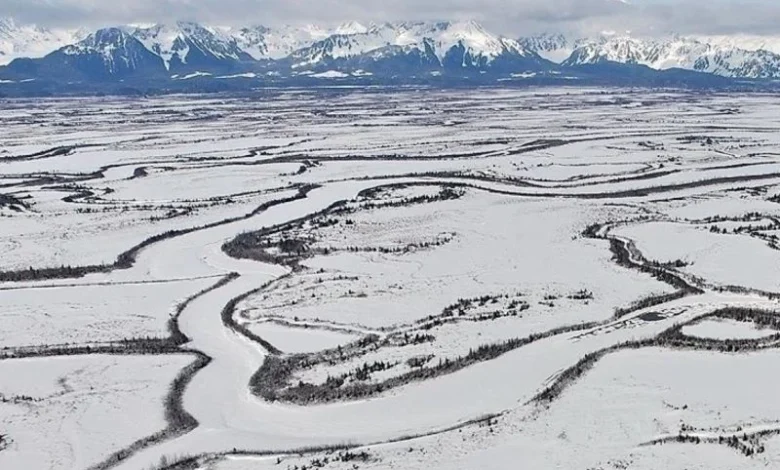
Greenland stands as a geographical and geopolitical paradox, a massive landmass where the nomenclature of "green" belies a landscape that is approximately 80 percent covered by a permanent ice sheet. Spanning an immense 2,166,086 square kilometers, it holds the title of the world’s largest island, positioned strategically between the Arctic and Atlantic Oceans. While it is physically a part of the North American continent, its political, cultural, and historical trajectory has been inextricably linked to Europe—specifically the Kingdom of Denmark—for over a millennium. As the global community turns its gaze toward the Arctic due to climate change and shifting trade routes, Greenland has emerged not only as a scientific focal point but also as a territory of immense strategic value.
Historical Foundations and the Naming Paradox
The history of Greenland is a saga of resilience and strategic branding that dates back to the 10th century. The name "Greenland" was famously coined by the Norse explorer Erik the Red. After being exiled from Iceland for manslaughter, Erik sought a new land to settle. Upon discovering the island, he named it "Grønland" (Greenland) in a calculated effort to attract potential settlers, despite the overwhelming presence of ice. However, modern scientific analysis of sub-glacial sediment suggests that Erik’s marketing may have had a grain of prehistoric truth. Research indicates that roughly 2.5 million years ago, the island was indeed a verdant landscape covered in forests and tundra before the onset of the Pleistocene ice ages. Today, that ancient soil remains frozen beneath an ice sheet that reaches depths of up to three kilometers.
The human history of the island is divided into several distinct waves of migration. The first inhabitants arrived around 2500 BCE, belonging to the Saqqaq and Independence I cultures. These early groups eventually disappeared, followed by the Dorset culture. The Norse settlers, led by Erik the Red, established colonies in the south around 985 CE, which persisted for nearly 500 years before mysteriously vanishing in the 15th century. The ancestors of the modern-day population, the Thule people (the direct forebears of the Inuit), arrived from Alaska via Canada in the 13th century. Their ability to adapt to the harsh Arctic environment allowed them to thrive where the Norse failed, establishing the cultural foundation of the nation known to its people as Kalaallit Nunaat, or "Land of the People."
Political Evolution and the Path to Autonomy
Greenland’s relationship with Denmark began in earnest during the 18th century. Colonization was initiated in 1721 by the Dano-Norwegian missionary Hans Egede, who sought to find the lost Norse settlers and instead established a permanent presence that led to Greenland becoming a Danish colony. For centuries, the island was managed as a closed society under a strict trade monopoly.
The mid-20th century marked a turning point in Greenland’s political status. Following World War II, during which the United States took a protective interest in the island due to Denmark’s occupation by Nazi Germany, the push for modernization began. In 1953, Greenland’s colonial status was abolished, and it became an integral part of the Danish Realm. However, the desire for self-determination grew among the Inuit population, leading to the establishment of "Home Rule" in 1979.
This autonomy was significantly expanded following a 2008 referendum. On June 21, 2009, the Act on Greenland Self-Government came into force, recognizing Greenlanders as a people under international law and granting the Greenlandic government (Naalakkersuisut) authority over most internal affairs, including the judicial system, policing, and natural resources. While Denmark retains control over foreign policy, defense, and currency, Greenland now possesses the constitutional right to seek full independence should it choose to do so in the future.
Nuuk: A Modern Arctic Metropolis
Nuuk, the capital of Greenland, serves as the heartbeat of the nation’s modernization. Home to approximately 19,000 residents—roughly one-third of the island’s total population—Nuuk is a unique blend of traditional Inuit heritage and contemporary urban life. Nestled at the mouth of one of the largest fjord systems in the world, the city features a skyline where colorful wooden houses sit alongside modern glass-and-steel architecture.
As the administrative and economic hub, Nuuk hosts the University of Greenland, the National Museum, and the Katuaq Cultural Center. The city’s development reflects a broader trend of urbanization within the territory, as younger generations move from smaller hunting and fishing settlements to the capital in search of education and diverse career opportunities. Despite its isolation, Nuuk offers high-end boutiques, gourmet restaurants serving "New Arctic" cuisine, and a vibrant arts scene, challenging the stereotype of the Arctic as a desolate wilderness.
Infrastructure and the Logistics of Isolation
One of the most striking facts about Greenland is the complete absence of an interconnected road network. Due to the rugged terrain, deep fjords, and the massive ice sheet, there are no roads or railways connecting the towns and villages. Every settlement is essentially an island. Transportation between regions relies entirely on maritime and aerial travel.
During the summer months, coastal ferries and private boats are the primary means of moving goods and people. In the winter, when the sea freezes in the north, dog sleds and snowmobiles become essential for local travel. For long-distance transit, Air Greenland operates a fleet of STOL (Short Take-Off and Landing) aircraft and helicopters, which serve as the lifeline for remote communities. This lack of infrastructure presents a significant economic challenge, making the cost of living and the price of imported goods among the highest in the world.
Geopolitical Strategy and Global Interests
In recent years, Greenland has moved to the center of global geopolitical discussions. Its strategic location in the "GIUK gap" (Greenland, Iceland, and the United Kingdom) makes it vital for monitoring maritime traffic between the Atlantic and the Arctic. During the Trump administration, the United States famously expressed interest in purchasing Greenland, a proposal that was firmly rejected by both Nuuk and Copenhagen but which highlighted the island’s growing importance.
The interest from global powers like the U.S., China, and Russia is driven by two main factors: resources and trade routes. As the Arctic ice melts, the Northern Sea Route and the Northwest Passage are becoming increasingly viable, potentially shortening shipping times between Asia and Europe. Furthermore, Greenland is believed to hold some of the world’s largest untapped deposits of rare earth minerals, gold, rubies, and uranium. These minerals are essential for the global transition to green energy and high-tech manufacturing, placing Greenland in a position of significant leverage in international trade.
Environmental Crisis and the Melting Ice Sheet
Greenland is often described as "ground zero" for climate change. The Greenland Ice Sheet contains enough water to raise global sea levels by approximately seven meters if it were to melt entirely. Current data from NASA and the European Space Agency show that the ice sheet is losing mass at an accelerating rate. In some recent summers, record-breaking heatwaves have caused surface melting across nearly the entire extent of the ice sheet.
The implications of this melt extend far beyond the island’s borders. The influx of freshwater into the North Atlantic threatens to disrupt the Atlantic Meridional Overturning Circulation (AMOC), the system of currents that regulates temperatures in Europe and North America. Locally, the melting ice is changing the traditional way of life for Inuit hunters, as thinning sea ice makes it more dangerous to hunt seals and whales, which have been dietary staples for millennia.
Cultural Identity and the Inuit Legacy
Despite the pressures of modernization and climate change, the cultural identity of Greenland remains robust. Approximately 88 percent of the population is of Inuit descent. The transition from the term "Eskimo" to "Inuit" (which means "the people") was a significant step in reclaiming cultural sovereignty.
Language is a cornerstone of this identity. Kalaallisut, an Eskimo-Aleut language, is the sole official language of the territory, although Danish remains widely used in administration and English is increasingly common among the youth. Cultural innovations from Greenland, such as the qajaq (kayak) and the iglo (snow house), are recognized globally. The kayak, in particular, was a revolutionary piece of hunting technology, custom-built to the proportions of the individual hunter, allowing for stealthy navigation through icy waters.
Tourism: The Midnight Sun and Aurora Borealis
Greenland is positioning itself as a premier destination for "frontier tourism." The island offers natural phenomena that are rare elsewhere on Earth. Because much of the country lies above the Arctic Circle, it experiences the Midnight Sun from late May to late July. During this period, the sun never sets, allowing for 24-hour exploration and outdoor activities. Conversely, the dark winter months provide some of the clearest views of the Aurora Borealis (Northern Lights) on the planet.
The Northeast Greenland National Park, the largest in the world, covers 972,000 square kilometers—an area larger than most countries. It is a pristine wilderness inhabited only by muskoxen, polar bears, and a small number of elite military personnel from the Sirius Dog Sled Patrol. This unit, part of the Danish Defense, maintains sovereignty over the uninhabited regions using traditional dog sleds, representing a unique bridge between ancient methods and modern military necessity.
Economic Outlook and the Future of Independence
The economic future of Greenland is currently at a crossroads. For decades, the economy has been heavily dependent on fishing—which accounts for over 90 percent of exports—and an annual block grant from Denmark of approximately $600 million USD. To achieve true economic independence and eventual political sovereignty, the Greenlandic government is looking to diversify into mining and tourism.
However, this path is fraught with internal debate. Large-scale mining projects offer the promise of wealth but pose significant risks to the fragile Arctic ecosystem and traditional hunting grounds. The rejection of the Kvanefjeld rare-earth mining project in 2021 underscored the tension between economic development and environmental preservation. As Greenland navigates these challenges, it remains a critical player in the global narrative of the 21st century—a land of ancient ice facing a rapidly warming world, balancing its colonial past with an ambitious, autonomous future.
Related posts: