Depok, Indonesia – The City of Depok is embarking on a significant transformation of its public transportation system, signaling a bold step towards a greener and more sustainable urban mobility landscape. The Depok City Government, through its Department of Transportation (Dinas Perhubungan Kota Depok), is actively preparing to integrate a fleet of electric vehicles (EVs) into its urban transport (angkot) services. This initiative, centered around the Wuling Mitra EV model, is poised to redefine commuter experience, enhance environmental consciousness, and potentially set a precedent for other Indonesian cities.
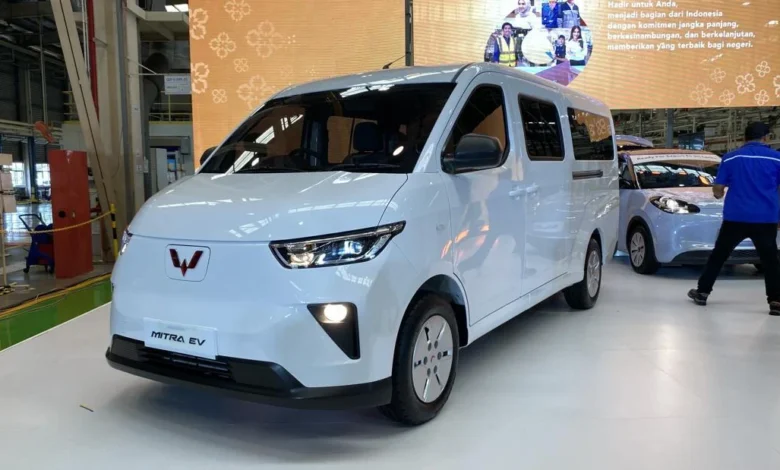
The Department of Transportation has confirmed that the Wuling Mitra EV is the chosen vehicle for this ambitious project. These electric vans are currently undergoing modifications at a carosserie to be outfitted as public transport vehicles. Aan Syurahman, the Acting Head of the Depok City Department of Transportation, elaborated on the selection process and the anticipated benefits. "We are currently conducting several checks with the Wuling Mitra EV, which boasts a substantial capacity. We hope that in the future, it will be more comfortable for the public to use. This is the type of vehicle we are preparing as a replacement for the D10A [route designation]," Syurahman stated, highlighting the forward-looking nature of this transition. The shift is not merely about adopting new technology but also about improving the overall quality of public transit for Depok’s growing population.
H2: A "Go Green" Vision for Depok’s Commute
The introduction of this new electric vehicle-based fleet is underpinned by a comprehensive "Go Green" concept. This strategic move aims to actively support environmentally friendly transportation and contribute to a pollution-free urban environment within Depok. The initiative aligns with national and global efforts to mitigate the impact of climate change and reduce reliance on fossil fuels, particularly in densely populated urban centers. Depok, as a major satellite city of Jakarta, faces considerable traffic congestion and air quality challenges, making the adoption of electric public transport a crucial step in addressing these issues.
Beyond its environmental benefits, the new angkot service is designed to be more inclusive and user-friendly. The Department of Transportation has emphasized that these vehicles will feature specialized facilities for persons with disabilities and priority seating for pregnant women. This thoughtful approach reflects a commitment to ensuring that public transportation is accessible and comfortable for all segments of society. The announcement also hinted at projected operational costs being more affordable, a significant factor for daily commuters who rely on public transport for their livelihoods. This dual focus on sustainability and social inclusivity positions Depok’s electric angkot initiative as a holistic approach to urban mobility development.
H3: The Wuling Mitra EV: A Closer Look
The Wuling Mitra EV, slated to become the backbone of Depok’s electric angkot fleet, is a commercial vehicle powered entirely by electricity. Its entry into the Indonesian market has been met with interest, particularly for its potential in fleet applications. The Minibus model is priced starting from Rp 348 million, a figure that, while significant, needs to be viewed within the context of long-term operational savings and environmental benefits compared to traditional internal combustion engine vehicles.
In terms of physical specifications, the Wuling Mitra EV measures 5,010 mm in length, 1,800 mm in width, and 1,975 mm in height, with a wheelbase of 3,050 mm. These dimensions are suitable for urban routes, offering ample space for passengers and ease of maneuverability in city traffic.
The vehicle is equipped with a Lithium Iron Phosphate (LFP) battery, known for its durability and safety. Two battery capacity options are available: a 41.9 kWh battery for the Long Range Minibus model and a larger 56.2 kWh battery for the Premium Range Minibus model. These capacities translate to impressive operational ranges. The 41.9 kWh battery version can travel up to 300 kilometers on a full charge, while the 56.2 kWh version extends this range to 400 kilometers. These ranges are more than adequate for typical urban angkot routes, minimizing the need for frequent charging during operational hours.
Furthermore, the Wuling Mitra EV supports fast charging capabilities using a CCS2 charger. A significant advantage is its charging speed: it can replenish its battery from 30% to 80% in just 30 minutes. This rapid charging feature is crucial for maintaining the operational efficiency of a public transport fleet, reducing downtime and ensuring consistent service availability.
Under the hood, the Wuling Mitra EV is powered by a 75 kW electric motor that delivers a maximum torque of 180 Nm, driving the rear wheels. This setup provides responsive acceleration and sufficient power for urban driving conditions. The vehicle also offers multiple driving modes – Eco, Normal, and Sport – allowing for optimized performance and energy consumption based on driving demands. Its top speed is rated at 115 km/h, which is well within the legal speed limits for urban roads.
H2: A Strategic Shift: Context and Chronology
The decision by the Depok City Government to electrify its angkot fleet is not an isolated event but rather a culmination of growing awareness and policy directives aimed at promoting sustainable urban development. Indonesia, as a signatory to the Paris Agreement, has committed to reducing its greenhouse gas emissions. The transportation sector is a significant contributor to these emissions, and transitioning to electric mobility is a key strategy for achieving these climate goals.
While specific timelines for the full deployment of the Wuling Mitra EV fleet were not detailed in the initial announcement, the process of preparation at the carosserie suggests that the rollout is in its advanced stages. This initiative can be seen as a pilot program, with the potential to be scaled up and replicated across other routes and potentially other cities. The mention of replacing the "D10A" route designation implies that the transition will begin with specific, established public transport corridors, allowing for focused implementation and evaluation.
The involvement of the Department of Transportation underscores the governmental commitment to this project. Their role in selecting the vehicle, overseeing modifications, and planning the operational integration is critical to the success of the initiative. This public-private partnership, utilizing a commercial EV model, highlights a pragmatic approach to achieving sustainable transportation goals.
H3: Broader Implications and Expert Perspectives
The electrification of angkot services in Depok carries significant implications beyond the immediate environmental benefits.
Economic Impact: While the initial purchase cost of EVs might be higher, the long-term operational savings from reduced fuel and maintenance costs are substantial. Electricity is generally cheaper than gasoline or diesel, and EVs have fewer moving parts, leading to lower maintenance expenses. This could translate into more stable or even reduced fares for commuters, a welcome prospect for many. Furthermore, the transition could stimulate local economies through job creation in EV maintenance, charging infrastructure development, and battery recycling.
Technological Advancement: This move positions Depok as a forward-thinking city, embracing innovative solutions to urban challenges. It provides a real-world testbed for EV technology in demanding public transport conditions, generating valuable data and insights that can inform future policy and technological development. The successful implementation could encourage other Indonesian cities to follow suit, accelerating the national adoption of electric mobility.
Environmental Improvement: The most direct impact will be on air quality. Replacing internal combustion engine vehicles with EVs will significantly reduce tailpipe emissions, including particulate matter, nitrogen oxides, and carbon dioxide. This will contribute to a healthier urban environment, reducing respiratory illnesses and improving the overall quality of life for Depok residents. The reduction in noise pollution from electric vehicles will also contribute to a more pleasant urban soundscape.
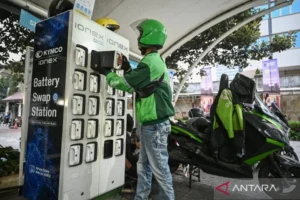
Infrastructure Development: The widespread adoption of EVs necessitates the development of robust charging infrastructure. While the Wuling Mitra EV offers fast charging, a comprehensive network of charging stations will be required to support a large fleet. This presents an opportunity for investment and innovation in the energy sector, potentially involving public and private partnerships to build and manage charging facilities. The energy grid’s capacity to handle increased electricity demand will also need to be considered and potentially upgraded.
Consumer Behavior and Acceptance: The success of this initiative will also depend on public acceptance and adoption. The emphasis on improved comfort, user-friendliness, and affordability aims to encourage commuters to embrace the new electric angkot. Positive experiences will be crucial in shifting perceptions and building trust in electric public transport.
While official statements have been positive, industry analysts and environmental advocates have broadly welcomed the move. Dr. Budi Santoso, an urban planning expert at Universitas Indonesia, commented, "Depok’s initiative is a commendable step towards a sustainable future. It demonstrates a proactive approach to addressing urban mobility challenges. The key to its success will lie in meticulous planning, effective implementation of charging infrastructure, and continuous monitoring of operational efficiency and public feedback."
Environmental organizations have also expressed optimism. "We are thrilled to see Depok taking concrete action to decarbonize its public transport. This is a vital step in combating air pollution and contributing to Indonesia’s climate commitments. We encourage the government to ensure that the electricity used to charge these vehicles is sourced from renewable energy where possible, to maximize the environmental benefits," stated a representative from an Indonesian environmental NGO.
H2: Challenges and the Road Ahead
Despite the promising outlook, the transition to electric public transport is not without its challenges. The initial cost of EVs, the availability and cost of charging infrastructure, and the need for skilled technicians for maintenance are all factors that need careful consideration. The operational integration of a new fleet requires robust planning, including route optimization, driver training, and fare collection systems.
The Depok City Government’s commitment to thorough checks and preparations indicates an understanding of these challenges. The selection of a commercially proven EV model like the Wuling Mitra EV, which is designed for utility and has demonstrated performance capabilities, provides a solid foundation for this ambitious project.
As Depok embarks on this electrifying journey, its efforts will undoubtedly be closely watched by other municipalities in Indonesia and potentially across Southeast Asia. The success of this initiative could serve as a powerful catalyst for the broader adoption of electric public transportation, paving the way for cleaner, greener, and more efficient urban mobility for millions of Indonesians. The "Go Green" vision for Depok’s commute is no longer just an aspiration; it is rapidly becoming a tangible reality on its bustling streets.