Understanding the Factors Behind Increased Motorcycle Fuel Consumption and Effective Maintenance Strategies

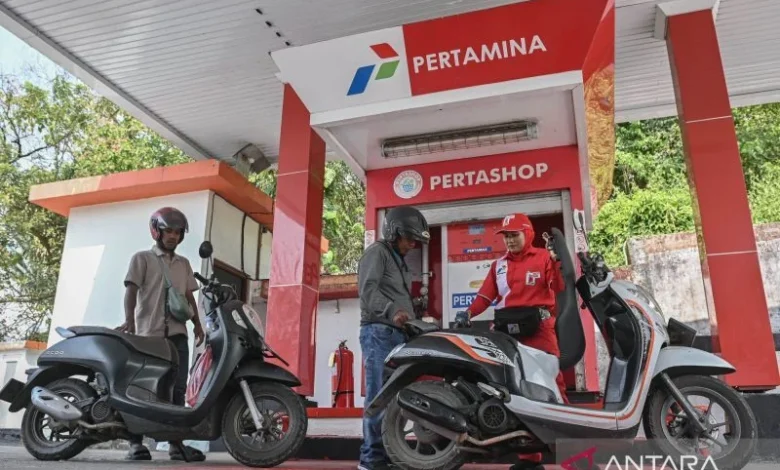
The phenomenon of sudden, unexplained increases in motorcycle fuel consumption is a recurring concern for commuters, often leading to significantly higher daily transportation costs despite unchanged routes or travel distances. While many riders instinctively suspect severe engine failure or internal mechanical degradation, technical experts from leading motorcycle manufacturers emphasize that fuel efficiency is the result of a complex interplay between rider behavior, environmental factors, and the maintenance status of various secondary components. When a motorcycle exhibits increased fuel thirst—frequently accompanied by sluggish acceleration, irregular engine idling, or cold-start difficulties—it serves as a diagnostic indicator that the vehicle’s systems are struggling to achieve optimal stoichiometric combustion. By systematically analyzing these variables, owners can avoid unnecessary part replacements and ensure the longevity of their vehicles through targeted, data-backed maintenance.
The Dynamics of Fuel Efficiency: Technical Foundations
Fuel economy in internal combustion engines is primarily governed by the efficiency of the combustion process—the precise mixing of air and fuel ignited at the correct moment. Any disruption to the "air-fuel ratio" or the introduction of parasitic losses—resistance that forces the engine to work harder to maintain speed—will manifest as increased fuel consumption. Modern motorcycles, particularly those utilizing electronic fuel injection (EFI) systems, are designed to operate within a specific efficiency window. When external factors push the engine outside of this parameters, the Electronic Control Unit (ECU) may attempt to compensate, often at the expense of fuel economy.
Primary Mechanical and Environmental Contributors to Fuel Waste
1. Under-Inflated Tires: The Invisible Drag
One of the most frequently overlooked contributors to poor fuel economy is improper tire pressure. When a tire is under-inflated, the contact patch increases, leading to higher rolling resistance. This resistance forces the engine to generate more torque to overcome the friction between the rubber and the asphalt. Research suggests that a pressure drop of just 10% below the manufacturer’s recommended level can reduce fuel efficiency by approximately 2% to 3%. Furthermore, under-inflation causes the tire sidewalls to flex excessively, generating heat that accelerates rubber degradation and compromises vehicle handling during cornering or emergency braking. Owners should check tire pressure using a reliable gauge while the tires are cold, adhering strictly to the PSI specifications listed in the vehicle owner’s manual rather than the maximum pressure molded onto the tire sidewall.
2. Air Intake Restriction and Filter Integrity
The engine’s ability to "breathe" is fundamental to performance. An air filter clogged with dust, soot, or debris restricts the volume of oxygen entering the combustion chamber. In response to a restricted intake, the engine management system may perceive a lack of air and, depending on the sensor array, struggle to maintain a balanced power output. This forces the rider to twist the throttle further to achieve the desired speed, thereby dumping more fuel into the engine to compensate for the lack of air. In urban environments with high particulate pollution, air filters require more frequent inspection. Replacing a choked filter is one of the most cost-effective ways to restore lost fuel efficiency.
3. Ignition System Degradation
The spark plug is the heart of the ignition process. Over time, the electrodes on a spark plug experience wear, widening the gap and resulting in a weaker or inconsistent spark. A sub-optimal spark leads to incomplete combustion, where not all fuel is burned during the power stroke. This is not only wasteful but also leads to carbon buildup on the valves and piston head, which further degrades performance. Symptoms of an aging ignition system include hesitant acceleration and "stuttering" during cruising. Ensuring that spark plugs are replaced according to the manufacturer’s service interval—and using the exact heat range specified—is critical for maintaining the intended fuel-to-power ratio.
4. Lubrication and Internal Friction
Engine oil serves a dual purpose: cooling and reducing friction between high-speed moving parts. When oil degrades—either due to extreme mileage or thermal breakdown—its viscosity changes, and its ability to lubricate diminishes. This increases internal friction, requiring the engine to expend more energy simply to overcome its own mechanical resistance. Furthermore, using an incorrect oil grade can lead to premature wear of the cylinder walls and piston rings. Adhering to the recommended oil change intervals and using the correct viscosity grade ensures the engine operates with minimal internal drag.
Behavioral and External Variables
The Impact of Urban Congestion and Riding Style
Data from urban transit studies indicate that motorcycles in heavy, stop-and-go traffic consume significantly more fuel than those operating in steady-state flow conditions. Frequent acceleration from a standstill requires a much higher volume of fuel than maintaining a constant velocity. When a rider exhibits "aggressive" habits—such as rapid throttle inputs and frequent hard braking—they are effectively converting kinetic energy into heat energy at the brake pads, which must then be re-generated by the engine. To mitigate this, experts recommend "predictive riding": observing traffic patterns well ahead to allow for gradual acceleration and coasting to stops, which preserves momentum and reduces fuel consumption.
Load Management and Aerodynamics
The weight of a motorcycle significantly impacts its power-to-weight ratio. Every additional kilogram requires more fuel to accelerate, especially when climbing inclines. Riders should perform a routine audit of their storage compartments, removing heavy, unnecessary items. Additionally, overloading a motorcycle beyond the manufacturer’s Gross Vehicle Weight Rating (GVWR) puts undue stress on the suspension and drivetrain, further increasing fuel consumption and creating potential safety hazards.
Drivetrain Efficiency: Chains and Clutches
For motorcycles equipped with chain drives, proper tension and lubrication are vital. A chain that is too tight increases drag on the transmission output shaft, while a loose or dry chain causes energy loss through vibration and friction. Similarly, a slipping clutch—where the engine RPM increases without a corresponding increase in wheel speed—is a major source of wasted energy. If a rider notices the engine "revving high" while the bike remains sluggish, a professional inspection of the clutch plates is mandatory.
Systematic Diagnostic Approach for Owners
When an owner suspects their motorcycle has become "thirsty," they should follow a logical, data-driven diagnostic protocol:
- Quantifiable Measurement: Implement the "tank-to-tank" method. Fill the tank to a specific, visible level, record the odometer reading, ride as usual, and fill the tank again at the same station using the same pump. Calculate the kilometers per liter (km/L) over several tanks to account for variations in traffic and route.
- Visual Inspection: Before scheduling a service, perform a basic "pre-flight" check: verify tire pressure, check the chain tension, and look for signs of fuel leaks or oil seepage.
- Scheduled Maintenance Review: Consult the owner’s manual. Have the spark plugs, air filter, and engine oil been changed within the recommended mileage?
- Professional Consultation: If the fuel efficiency remains significantly lower than the manufacturer’s average after addressing the above, take the vehicle to an authorized service center. Request an ECU scan to check for "error codes" related to sensors (such as the Oxygen or Throttle Position Sensors) that may be providing incorrect data to the engine computer.
The Implication of Ignoring Persistent Symptoms
Ignoring a persistent increase in fuel consumption can lead to cascading mechanical issues. For example, a failing fuel injector that delivers too much fuel (running "rich") can wash oil off the cylinder walls, leading to accelerated piston wear and, eventually, catastrophic engine failure. Additionally, the presence of raw fuel in the exhaust stream can damage the catalytic converter, an expensive component to replace.
Furthermore, from a broader economic perspective, the cumulative effect of thousands of motorcycles operating at sub-optimal efficiency contributes significantly to increased urban emissions and elevated transportation expenditures for the populace. Proper maintenance is, therefore, not just an individual financial decision, but a contribution to environmental health and road safety.
Conclusion: The Value of Proactive Care
The key to maintaining fuel efficiency lies in the consistent application of routine maintenance. By viewing the motorcycle as a system of integrated parts, owners can identify that a small, inexpensive fix—such as inflating a tire or replacing a five-dollar air filter—often provides the same benefit as complex, expensive repairs. Ultimately, a well-maintained motorcycle is not only more economical to operate but also more reliable, safer, and more enjoyable to ride. As fuel prices remain volatile, the knowledge of these nine factors serves as a powerful tool for every rider to take control of their transportation costs and ensure the long-term health of their machine.