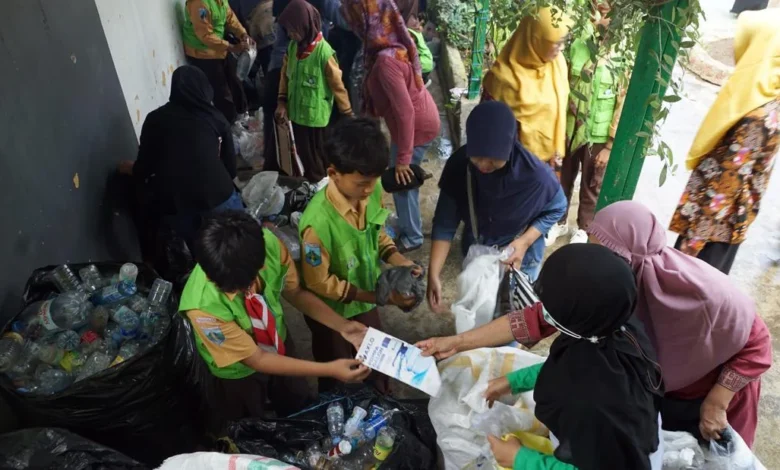
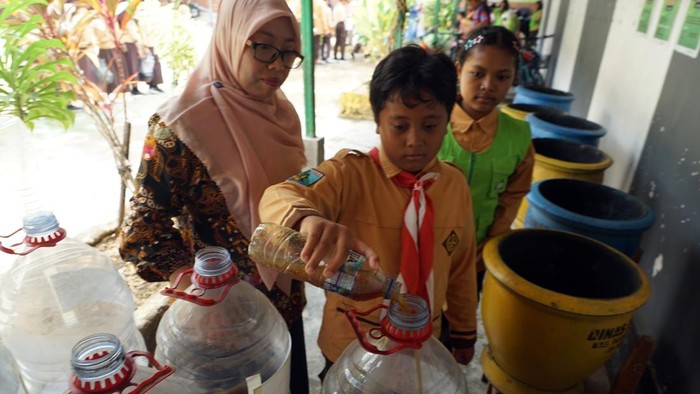
In an inspiring display of community-driven environmental stewardship, students at SDN 2 Bendorejo in Trenggalek, East Java, have launched a transformative initiative titled "Sangu Sampah." This program, which translates roughly to "Trash for Allowance," serves as a dual-purpose educational model that integrates environmental conservation with fundamental financial literacy. By incentivizing the collection and proper disposal of waste—specifically used cooking oil (jelantah) and other recyclable materials—the school is reshaping how children perceive the value of waste, transforming potential pollutants into tangible personal savings.
The Mechanics of the Sangu Sampah Initiative
The Sangu Sampah program operates on a straightforward yet effective circular economy model. Students are encouraged to gather household waste that would otherwise be discarded into landfills or improperly disposed of in drainage systems, which often leads to soil and water contamination. The focal point of the collection is "jelantah," or used cooking oil, a substance that is notorious for causing pipe blockages and ecological damage when poured down the sink.
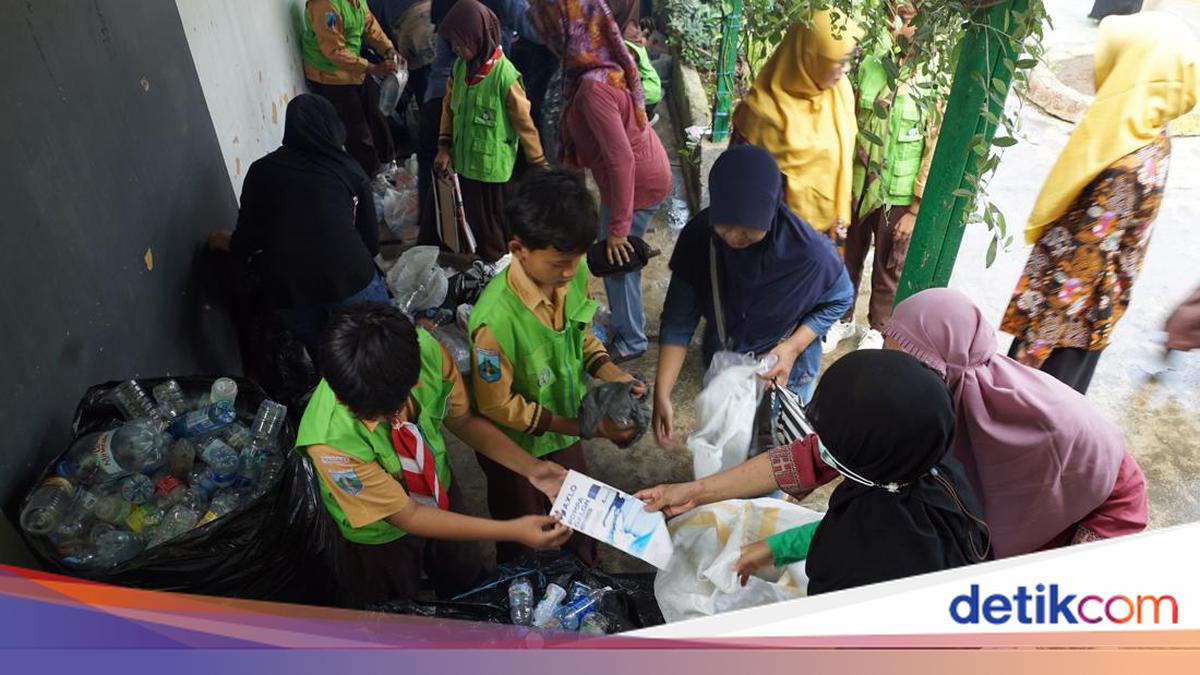
Once collected, the students bring these materials to the school’s designated collection hub. There, the waste is weighed, categorized, and recorded. Through partnerships with local waste banks and recycling facilities, the school converts the volume of the collected waste into either points or monetary value. This value is then deposited into the student’s personal savings account. This process provides a hands-on lesson in the "3R" principle—Reduce, Reuse, and Recycle—while simultaneously introducing the students to the concepts of earning, saving, and wealth management.
Environmental Context and Waste Management Challenges in Indonesia
To understand the significance of the Sangu Sampah program, one must consider the broader context of waste management in Indonesia. According to data from the Ministry of Environment and Forestry, Indonesia produces millions of tons of waste annually, a significant portion of which consists of plastic and organic waste that remains unmanaged. In regional areas like Trenggalek, the lack of sophisticated waste processing infrastructure makes grassroots initiatives like those at SDN 2 Bendorejo essential.
Used cooking oil, in particular, presents a unique challenge. When disposed of improperly, it creates a layer of fatbergs in sewage systems and introduces harmful chemical compounds into the water table. By formalizing the collection of this waste, the program not only prevents environmental degradation but also taps into the growing market for biofuel production. Recycled cooking oil is increasingly being sought after as a feedstock for biodiesel, meaning the students’ efforts have a direct economic and ecological impact that extends well beyond the classroom.
A Chronology of Progress
The implementation of Sangu Sampah at SDN 2 Bendorejo is part of a larger, district-wide movement toward "Green Schools" in Trenggalek. The project began as a pilot scheme earlier this year, aiming to instill environmental responsibility in students from a young age.
- Initial Phase (Early 2026): School administrators, in coordination with local environmental agencies, conducted workshops to educate teachers and parents on the environmental hazards of household waste.
- Launch Phase (Mid-2026): The collection system was established, and the first "waste-to-savings" accounts were opened for participating students.
- Operational Phase (October 2026): The program reached a high point of participation, with consistent weekly collections occurring at the school. Students demonstrated a measurable increase in their understanding of both environmental impact and personal finance.
Financial Literacy as a Pedagogical Tool
The pedagogical philosophy underpinning the program suggests that financial literacy is best learned through experience rather than theory. By managing their own "waste accounts," students learn the power of compound interest and the gratification of delayed consumption. Instead of spending small amounts of money on snacks, students are incentivized to contribute to their savings.
Financial experts often note that early exposure to money management can lead to more stable financial habits in adulthood. By linking these financial habits to positive environmental behavior, the program creates a "virtuous cycle." The child is no longer just a passive participant in the household economy but an active contributor to both the family’s savings and the community’s environmental health.
Official Responses and Community Impact
While the initiative is primarily student-led, it has garnered significant support from local stakeholders, including the Trenggalek municipal government and the local education board. Educators at SDN 2 Bendorejo have reported that the program has fostered a sense of pride among the students. Parents have also expressed positive feedback, noting that their children have become more conscious of household waste, often reminding their parents to save used cooking oil rather than discarding it.
Local government officials view this as a scalable model. If successfully implemented across other primary and secondary schools in East Java, the cumulative effect on regional waste reduction could be substantial. The government has emphasized that the goal is to shift the mindset from "waste as a burden" to "waste as a resource."
Broader Implications for Sustainable Development
The Sangu Sampah program in Trenggalek is a microcosm of the global shift toward the circular economy. The core principle of this movement is to decouple economic growth from the consumption of finite resources. By treating waste as a raw material, the students are participating in a system that is inherently more sustainable than the traditional "take-make-dispose" linear economy.
The implications of this program are threefold:
- Ecological: Immediate reduction in local pollution levels, particularly regarding water contamination from cooking oil and plastic waste.
- Educational: Cultivation of a generation that views environmental protection as a standard practice rather than an extracurricular activity.
- Socio-Economic: Empowerment of youth through financial inclusion, teaching them that they have the agency to create value even from items that others deem worthless.
Challenges and Future Outlook
Despite the success, the program faces challenges common to grassroots environmental initiatives, such as the logistics of waste transportation and the need for consistent market prices for recycled materials. For the program to remain sustainable, it requires ongoing collaboration with industrial recyclers who can offer fair prices for the waste collected.
Furthermore, the longevity of the program depends on its integration into the national curriculum. Educators are currently looking into ways to formalize the lessons learned from Sangu Sampah into subjects like social studies, economics, and natural sciences.
As the project continues to evolve, it serves as a testament to the ingenuity of local communities in Indonesia. By empowering children to take charge of their immediate environment, the Sangu Sampah initiative provides a template for how small, deliberate actions can lead to large-scale, systemic change. In the quiet classrooms of Trenggalek, a new generation is learning that the path to a cleaner, more prosperous future is not found in grand promises, but in the simple, consistent act of picking up, sorting, and valuing the waste that surrounds us.
The success of the students at SDN 2 Bendorejo underscores the importance of local-level intervention. As the world grapples with the escalating crisis of climate change and environmental degradation, the "Sangu Sampah" program stands as a beacon of hope, proving that even the youngest citizens can play a vital role in building a sustainable world.