The modern cosmetic market offers an unprecedented variety of lip enhancement products designed to elevate any makeup routine, ranging from classic lipsticks to innovative lip creams, glossy oils, and long-wearing stains. Consumers today can choose from tinted balms, ultra-pigmented vinyl formulas, and smudge-proof liquids promising flawless pigmentation that survives meals, drinks, and long workdays. However, a widespread beauty paradox frequently frustrates makeup enthusiasts: instead of achieving the plump, supple pout promised on the packaging, many users find their lips becoming chronically dry, flaky, and severely chapped.
This common dermatological issue has prompted beauty experts, cosmetic chemists, and skincare specialists to examine the underlying mechanisms of lip care and cosmetic formulation. Understanding why cosmetic products compromise lip health requires analyzing the complex anatomy of the lips, the chemical composition of popular formulas, and the physiological response of delicate mucous membranes to external substances.
Anatomy and Vulnerability of Labial Skin
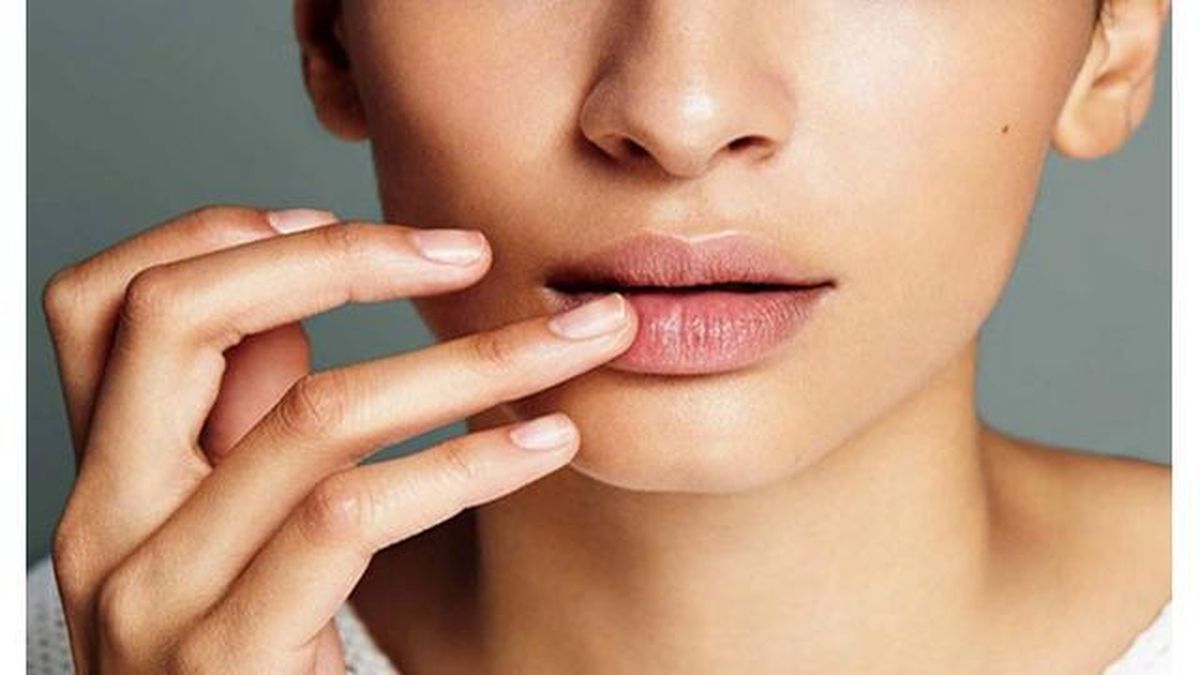
Unlike the skin covering the rest of the human body, the skin on the lips—medically known as the labial mucosa—possesses unique structural characteristics that make it exceptionally vulnerable to environmental stressors and product ingredients. The epidermis of the lips is remarkably thin, consisting of only three to five cellular layers compared to up to sixteen layers on other parts of the face. Furthermore, labial skin lacks sebaceous glands and sweat glands, meaning it cannot produce its own natural protective lipid barrier or sebum to lock in moisture.
This absence of a natural moisturizing mantle leaves the lips highly susceptible to trans-epidermal water loss (TEWL). When exposed to dry air, wind, UV radiation, and potent chemical formulations found in cosmetics, the lips dehydrate rapidly. Dermatologists note that while consumers routinely invest heavily in facial serums and moisturizers, they frequently neglect the foundational preparation required before applying color cosmetics to the lips. Consequently, the interaction between modern cosmetic chemistry and fragile labial tissue often results in irritation, micro-fissures, and persistent dryness.
The Evolution of Lip Cosmetics and Formulation Mechanics
The evolution of lip makeup over the past two decades has been driven by consumer demand for longevity and performance. Traditional creamy lipsticks, historically formulated with generous amounts of emollient oils, waxes, and nourishing butters, have largely been overshadowed by high-performance liquid lipsticks, long-wear matte formulas, and transfer-proof lip stains.
According to cosmetic industry data, long-wearing and matte formulations dominate global market share within the color cosmetics sector. To achieve the signature non-smudge, velvet-matte finish that remains intact for hours, manufacturers must minimize the concentration of heavy oils and emollients. Instead, these products rely heavily on volatile silicones, film-forming polymers, drying alcohols, and high concentrations of structural waxes.
When applied to the lips, these volatile components evaporate rapidly, leaving behind a rigid pigment matrix that adheres tightly to the skin. While this engineering successfully prevents the color from transferring or feathering, it simultaneously creates a tight, occlusive seal that restricts natural moisture exchange and strips the lips of essential hydration. Over time, continuous use of these drying formulas without adequate pre-treatment leads to cumulative damage, manifesting as chapping, peeling, and increased sensitivity.
Decoding the Culprits: Why Cosmetic Products Cause Dehydration
Dermatological evaluations of chronic lip dryness point to several primary culprits embedded within popular cosmetic and skincare formulations. Analyzing these factors clarifies why certain products backfire despite boasting hydrating marketing claims.
-
High Wax-to-Oil Ratios and Film-Forming Polymers
Matte lipsticks and long-wear lip stains derive their longevity from specific chemical architectures. The balance between waxes and oils is heavily skewed toward waxes, which provide structural integrity and opacity. Because these formulas contain minimal free oils, they offer virtually no nutritional replenishment to the skin barrier. Furthermore, film-formers create an inflexible mesh over the labial surface. As the lips move naturally during speech and facial expressions, this rigid film exerts mechanical stress on the delicate skin, leading to micro-tears and accelerated moisture depletion. -
The Humectant Paradox in Lip Care
Skincare enthusiasts are well-acquainted with humectants such as hyaluronic acid, glycerin, and urea, which are widely celebrated for their ability to draw moisture into the skin. However, the application of humectants on the lips requires careful strategic management. Humectants function by binding water molecules, pulling them either from the deeper dermal layers of the skin or from the surrounding humid atmosphere.
In arid environments, or when applied to thin labial skin without an overarching sealing agent, humectants can inadvertently draw moisture upward from the lower cellular strata, exposing the surface layer to rapid atmospheric evaporation. Over prolonged periods of use, this mechanism depletes the skin’s intrinsic water reservoirs, leaving the lips drier than they were prior to application. To counteract this effect, dermatologists recommend pairing humectant-based lip treatments with occlusive agents that physically trap moisture within the tissue.
- Systemic Dehydration and Environmental Factors
Cosmetic products rarely act in isolation; their drying effects are frequently compounded by systemic hydration levels and external environmental conditions. The human body requires a steady intake of water to maintain cellular turgor across all organ systems, including the integumentary system. Because the lips lack sweat and oil glands, they serve as an early biological warning system for systemic dehydration. When daily fluid intake falls below optimal thresholds—typically recommended at 1.5 to 2 liters daily for adults—the body redirects water away from non-essential peripheral tissues to protect vital internal organs. The lips are among the first areas to reflect this internal water deficit, manifesting as tightness, loss of volume, and cracking.
Expert Perspectives and Dermatological Recommendations
Leading dermatologists and clinical aestheticians emphasize that enjoying vibrant lip colors does not require sacrificing lip health. Preventive care and proper product layering form the cornerstone of maintaining a smooth, healthy pout.
Clinical specialists advise adopting a structured preparation routine before applying any long-wear or matte cosmetic. This process begins with gentle exfoliation to remove accumulated dead skin cells, followed by the application of a nourishing, humectant-rich base. Crucially, experts recommend sealing this hydration with an occlusive barrier product—such as petroleum jelly, medical-grade lanolin, or rich botanical butters—before layering colored cosmetics on top. Occlusive agents create a hydrophobic barrier that prevents both trans-epidermal water loss and the direct drying contact of volatile cosmetic chemicals against raw labial skin.
Furthermore, skincare professionals urge consumers to audit their daily cosmetic collections. Alternating between high-performance matte formulas and nourishing tinted lip oils or hydrating glosses allows the delicate skin of the lips time to recover between heavy makeup applications. Nighttime routines should similarly prioritize intensive repair, utilizing restorative lip masks packed with ceramides, peptides, and fatty acids to rebuild the compromised skin barrier overnight.
Broader Implications for the Cosmetics Industry
The growing consumer awareness surrounding lip health and product formulation is beginning to influence research and development strategies within the global beauty industry. Modern cosmetic laboratories are increasingly investing in hybrid formulations that bridge the gap between high-pigment performance and skin-nourishing skincare benefits.
Industry analysts note a rising market demand for "clean" and functional color cosmetics infused with skincare actifs, such as squalane, hyaluronic acid micro-spheres, and botanical seed oils designed to mitigate dryness at the molecular level. Brands that successfully reformulate long-wear products to incorporate conditioning agents without compromising on smudge-resistance are gaining a distinct competitive advantage among discerning, ingredient-conscious consumers.
Ultimately, the phenomenon of cosmetic-induced lip dryness highlights the intricate balance required in personal care routines. By understanding the scientific principles governing skin anatomy, cosmetic formulation chemistry, and systemic hydration, consumers can navigate the vast array of available lip products intelligently, ensuring that aesthetic enhancement never comes at the expense of long-term dermatological health.
Related posts: