Indonesia Secures National Rice Reserves of 4.8 Million Tons to Stabilize Food Security Through Year-End

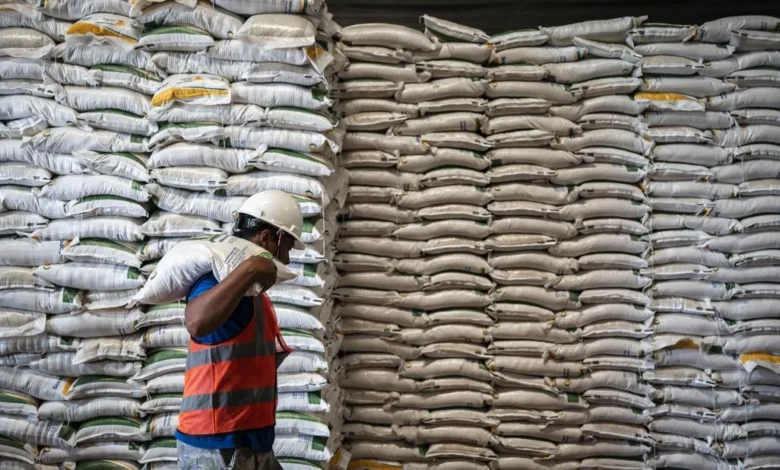
Indonesia has officially announced a robust national rice reserve position, with current holdings reaching 4.8 million tons, a volume that government officials assert is sufficient to meet domestic demand through the conclusion of 2026. This significant stockpile, managed by the state logistics agency Perum Bulog, represents a strategic buffer designed to mitigate market volatility, combat potential price inflation, and ensure food accessibility for the nation’s most vulnerable populations during the final quarter of the year.
The announcement was confirmed by the President Director of Perum Bulog, Ahmad Rizal Ramdhani, on Saturday, September 26, 2026. The surplus of supply serves as a cornerstone of the government’s broader agricultural and socio-economic agenda, particularly as the country navigates seasonal fluctuations in harvest cycles and global supply chain pressures.
Infrastructure Challenges and Logistical Expansion
The unprecedented volume of rice currently held by the state has necessitated a shift in logistical management. As domestic production and strategic imports have successfully filled national storage facilities, the existing capacity of Bulog’s own warehouses has reached its saturation point. To address this, Bulog has embarked on a strategic partnership with the private sector, leasing additional storage facilities to house the excess inventory.
“Our own warehouses are currently operating at maximum capacity and can no longer accommodate the incoming supply of state-managed rice,” Ahmad explained. “Consequently, we have had to engage in partnerships to rent third-party, private-sector storage facilities to ensure that every ton of rice is handled safely, kept in climate-controlled conditions, and protected from degradation.”
This logistical pivot highlights the scale of the government’s procurement success in 2026. By utilizing private infrastructure, the government is not only ensuring the safety of the national food supply but is also stimulating ancillary logistics and warehousing industries, demonstrating a multifaceted approach to state resource management.
Strategic Allocation and Social Safety Nets
The 4.8 million tons of rice are not merely static reserves; they are the backbone of several critical social protection programs. The government has confirmed that a substantial portion of this stock is earmarked for the government’s comprehensive food assistance program, which is set to benefit 33.2 million beneficiaries throughout the final quarter of 2026—specifically from October through December.
In addition to direct food assistance, Bulog is intensifying the distribution of the Stabilisasi Pasokan dan Harga Pangan (SPHP) program. An additional 1 million tons of rice will be channeled into this initiative, which aims to keep consumer prices stable in traditional markets and retail outlets. By flooding the market with affordable, high-quality rice, the government aims to curb speculative pricing and ensure that low-income households are shielded from the inflationary pressures that often accompany year-end festive periods.
Projections and Inventory Management
While the current inventory stands at 4.8 million tons, Bulog is managing its stock levels with an eye toward sustainable inventory maintenance. According to official projections, the aggressive distribution schedule—comprising both the 33.2 million-beneficiary food aid program and the 1 million-ton SPHP injection—is expected to result in a year-end carryover stock of approximately 3.2 million tons.
Maintaining a reserve of this size is considered a prudent fiscal and logistical strategy. It provides the government with a "cushion" to transition into the first quarter of the following year, ensuring that even if there are delays in the initial planting cycles of 2027, the domestic market will remain insulated from shortages.
Historical Context and Food Security Policy
Indonesia’s current food security status is the result of a multi-year effort to modernize the agricultural sector and diversify import sources. In recent years, the government has transitioned from reactive procurement strategies to a proactive model of inventory accumulation.
Historically, Indonesia faced significant price volatility during the transition between the rainy and dry seasons. By increasing the buffer stock to levels nearing 5 million tons, the administration has sought to decouple local market prices from global commodity price shocks. This policy is particularly critical given the increasing unpredictability of global weather patterns, which have affected major rice-exporting nations in Southeast and South Asia.
The emphasis on rice as a primary commodity is rooted in its status as the staple food for over 270 million Indonesians. Any fluctuation in price or availability has immediate, widespread social and economic implications, making the management of Bulog’s reserves one of the most closely watched aspects of national policy.
Economic Implications and Market Stability
The presence of a 4.8-million-ton reserve serves as a psychological anchor for the market. When traders and retailers are aware that the state has sufficient supply to intervene if prices rise, it discourages hoarding and price gouging.
Economists point out that the government’s strategy of utilizing private warehousing and large-scale distribution programs serves as a stabilizer for the agricultural economy. By ensuring that farmers have a consistent buyer in Bulog and that consumers have access to affordable SPHP rice, the government is creating a balanced ecosystem that supports both production incentives and consumption affordability.
Furthermore, the expansion of the food aid program to 33.2 million recipients is a targeted fiscal measure. By providing physical food rather than just cash transfers, the government ensures that the assistance is utilized for its intended purpose—nutritional security—and simultaneously creates an upward demand pressure that keeps the domestic rice industry viable.
Challenges Ahead: Storage and Distribution
Despite the optimistic outlook, the reliance on private-sector warehousing introduces new operational variables. Ensuring that these decentralized facilities adhere to the same quality control standards as Bulog’s internal facilities is a priority for the agency’s quality assurance teams. Maintaining the quality of grain over extended periods requires rigorous moisture control, pest management, and inventory rotation.
Furthermore, the logistical task of transporting rice from these distributed private warehouses to the furthest corners of the Indonesian archipelago remains a complex challenge. Indonesia’s geographic nature, consisting of thousands of islands, necessitates a sophisticated supply chain. Bulog has indicated that it is working closely with the Ministry of Transportation and regional authorities to ensure that the distribution of the 1 million tons of SPHP rice and the food assistance reaches even the most remote provinces without significant delays.
A Robust Outlook for 2027
As the nation moves toward the end of 2026, the data indicates that Indonesia is in a strong position. The proactive procurement strategy, coupled with the commitment to large-scale distribution, suggests that the government has learned from the supply chain vulnerabilities observed during global crises in the early 2020s.
The target of maintaining a 3.2-million-ton buffer at the end of the year is an ambitious but achievable goal. It provides a strategic bridge to the next major harvest. If the current trajectory of distribution holds, it is highly probable that the Indonesian government will successfully navigate the 2026 year-end without the typical inflationary spikes in food prices that historically challenged the retail sector.
In conclusion, the announcement by Ahmad Rizal Ramdhani underscores a shift in state capability regarding food sovereignty. By leveraging both its own capacity and the capabilities of the private sector, Bulog is demonstrating that the state is not only capable of procuring the necessary volumes to secure the nation’s caloric needs but is also capable of managing the logistical complexities required to distribute these goods efficiently. For the Indonesian populace, this translates to a stable and secure food environment, essential for the continued economic stability of the nation as it looks forward to 2027.
Related posts: