Understanding the Strategic Pillars and Global Significance of Bilateral Cooperation in Indonesia’s Foreign Policy

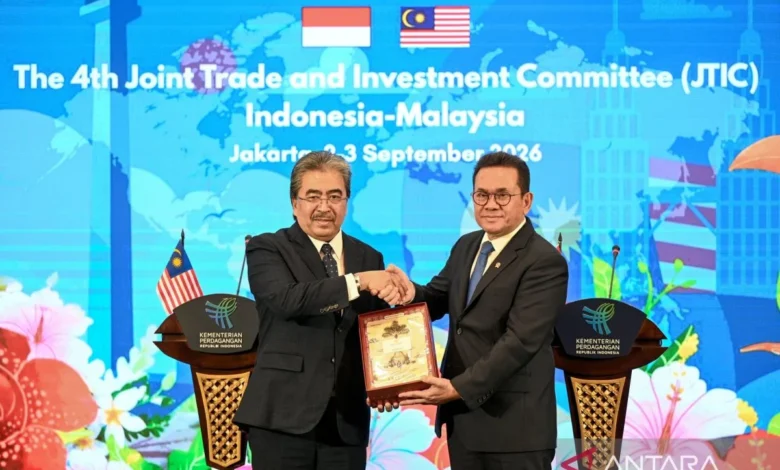
Bilateral cooperation represents the cornerstone of modern international relations, serving as the primary mechanism through which sovereign states navigate the complexities of global interdependence to secure national interests. In the context of Indonesia’s foreign policy, these two-way partnerships—spanning sectors from economic integration and defense to technological innovation and cultural exchange—are vital for the nation’s development and stability. As of August 2025, Indonesia has solidified its global footprint by maintaining formal bilateral ties with 162 countries and one special territory, reflecting a sophisticated diplomatic architecture designed to advance its strategic priorities in an increasingly multipolar world.
The Essence of Bilateral Diplomacy
At its core, bilateralism is defined by direct engagement between two sovereign entities. Unlike multilateralism, which involves a collective of states often governed by broader regional or global treaties, bilateral cooperation offers a bespoke approach. It allows nations to tailor agreements to the specific needs, capabilities, and geographic realities of the partners involved. For Indonesia, these relationships are typically formalized through a hierarchy of instruments: from foundational diplomatic recognition and memoranda of understanding (MoUs) to comprehensive strategic partnerships and high-level intergovernmental dialogue mechanisms.
The strategic value of this approach lies in its agility. When Indonesia engages in a bilateral framework, it can address niche issues—such as specific trade barriers with a neighbor or localized security challenges—without the procedural delays often associated with larger international organizations. This focused diplomacy ensures that national interests are addressed with precision, fostering deep-seated relationships that can weather shifting global political climates.
Chronology and Evolution of Indonesia’s Global Engagement
Indonesia’s diplomatic history has evolved from the post-independence focus on non-alignment and anti-colonial solidarity to the modern, pragmatic "omni-directional" foreign policy. Throughout the 20th century, Indonesia utilized bilateral ties to establish legitimacy and secure developmental aid. By the early 21st century, the focus shifted toward economic diplomacy and regional stability.
Key milestones in this evolution include:
- The Post-Independence Era: Initial bilateral efforts focused on securing sovereignty and establishing early diplomatic missions, primarily with neighboring nations and key global powers.
- The Era of Economic Integration (1990s–2010s): Indonesia aggressively expanded bilateral free trade agreements and investment protection treaties to capitalize on the globalization wave.
- The Modern Strategic Era (2020–Present): The current focus has pivoted toward "hard" and "soft" power integration—combining security cooperation (e.g., maritime boundary management) with "future-proofing" sectors such as digital economy, renewable energy, and critical mineral supply chains.
The consistency of these engagements is evident in the current data, which shows an expansive network covering every continent, demonstrating that Indonesia’s diplomatic influence is truly global rather than merely regional.
Strategic Objectives of Bilateral Cooperation
The Ministry of Foreign Affairs of the Republic of Indonesia categorizes the goals of its bilateral engagements into six primary pillars, each serving as a catalyst for national advancement:
1. Strengthening Diplomatic Ties and Conflict Resolution
Diplomatic channels are the lifeblood of international relations. By maintaining robust bilateral relations, Indonesia creates a "cushion" for conflict resolution. When tensions arise, pre-existing mechanisms—such as ministerial commissions or direct leadership dialogues—allow for rapid de-escalation and clear communication, preventing minor disagreements from spiraling into diplomatic crises.
2. Catalyzing Economic Growth
Economic bilateralism is the engine of the national economy. Through trade agreements and investment treaties, Indonesia accesses foreign markets, attracts foreign direct investment (FDI), and integrates local industries into global supply chains. For example, bilateral agreements on industrial standards allow Indonesian products to enter markets like Japan or the European Union with reduced technical barriers, directly impacting the GDP.
3. Human Capital Development
Education and professional development are increasingly becoming the bedrock of bilateral cooperation. Programs such as student exchanges, government-funded scholarships, and vocational training initiatives (often involving knowledge transfer from advanced economies) ensure that Indonesia’s workforce remains competitive. These programs also foster long-term "people-to-people" ties, creating a generation of professionals who are familiar with both Indonesian and foreign business cultures.
4. Technological Innovation and Transfer
In an era of rapid digital transformation, bilateral cooperation is essential for technology transfer. By partnering with technologically advanced nations, Indonesia can leapfrog developmental hurdles. This includes collaborative research in sectors such as agriculture, aerospace, and renewable energy, where Indonesian institutions work alongside international counterparts to localize innovations.
5. Security and Stability
Bilateral security cooperation remains indispensable for managing non-traditional threats. This includes intelligence sharing to combat transnational crimes like human trafficking, drug smuggling, and cyber-attacks. Furthermore, bilateral defense cooperation—ranging from joint military exercises to joint patrols in disputed maritime regions—ensures that the sovereignty of the Indonesian archipelago is maintained while simultaneously fostering regional peace.
6. Socio-Cultural Exchange
The "soft power" aspect of bilateralism involves promoting Indonesian culture abroad and vice-versa. Through cultural festivals, academic partnerships, and tourism promotion, these ties build mutual empathy and understanding, which are essential for sustainable international cooperation.
Case Studies: Indonesia’s Diplomatic Frameworks
To understand the practical application of these policies, one must examine specific examples of Indonesia’s bilateral engagements.
The Indonesia-Netherlands Model:
The relationship between Jakarta and The Hague is a prime example of a mature, multifaceted partnership. Historically complex, the relationship has evolved into a robust economic and developmental alliance. Current priorities include sustainable water management (where Dutch expertise is world-leading), climate change mitigation, and the circular economy. This partnership demonstrates how bilateralism can transcend historical baggage to focus on future-oriented, sustainable solutions.
The Indonesia-Papua New Guinea (PNG) Mechanism:
As a direct neighbor, the relationship with PNG is defined by geographic necessity and shared security interests. The establishment of the Annual Leaders’ Dialogue in 2022 elevated this relationship significantly. By formalizing high-level summits alongside Joint Ministerial Commissions and Senior Officials’ Meetings, both nations ensure that issues concerning border management, trade, and regional stability are handled with high-level institutional oversight.
The Distinction Between Bilateral and Multilateral Frameworks
While the article focuses on bilateralism, it is vital to acknowledge the synergy between bilateral and multilateral systems. The international system is not an "either-or" scenario. Indonesia, for instance, is a founding member of ASEAN and a key player in the G20, while simultaneously holding 162 bilateral relationships.
The distinction is functional:
- Bilateralism acts as the surgical tool, allowing Indonesia to address the specificities of its relationship with, for example, Japan or the United States, regarding trade or technology.
- Multilateralism acts as the platform for setting global norms and addressing universal challenges, such as climate change or global health governance.
Often, these systems overlap. A bilateral investment treaty between Indonesia and a partner country might be structured to comply with broader World Trade Organization (WTO) standards. This dual-track approach allows Indonesia to maximize its influence at the regional level (e.g., through ASEAN’s dialogues with the EU or China) while protecting its sovereign interests at the national level.
Analysis: Implications and Future Trends
The increasing complexity of global challenges—ranging from the energy transition to cybersecurity—suggests that bilateral cooperation will become even more specialized in the coming decade. Indonesia’s recent efforts to secure bilateral partnerships in the critical minerals sector (such as nickel and copper) demonstrate a proactive stance in leveraging its natural resources to gain technological parity.
Furthermore, the recent trend of "100-year partnerships" seen globally—such as the recent agreement between Canada and Ukraine—reflects a shift toward long-term strategic commitments. Indonesia is following a similar trajectory, moving away from short-term transactional diplomacy toward long-term institutionalized frameworks that can withstand changes in government and political leadership.
The implications for Indonesia are clear: by diversifying its bilateral portfolio, the nation minimizes its dependency on any single partner, thereby increasing its strategic autonomy. This "hedging" strategy is crucial for a country with Indonesia’s geographic and economic significance. As the nation continues to grow, these 162 relationships will serve as the primary conduits for its integration into the global order, ensuring that Indonesia remains not just a participant, but a leader in shaping the international landscape.
Conclusion
Bilateral cooperation remains the most reliable vehicle for advancing the national interest in an unpredictable international environment. By fostering direct, deep, and institutionalized relationships with 162 nations, Indonesia has built a resilient diplomatic network that supports its economic, social, and security goals. As the global community faces unprecedented challenges, the ability of states like Indonesia to negotiate effective, mutually beneficial bilateral agreements will determine their capacity to thrive, innovate, and contribute to global stability. The ongoing commitment to this form of diplomacy ensures that Indonesia is well-positioned to navigate the challenges and opportunities of the mid-21st century.