Understanding the Strategic Significance of Bilateral Cooperation in Indonesia’s Foreign Policy Framework

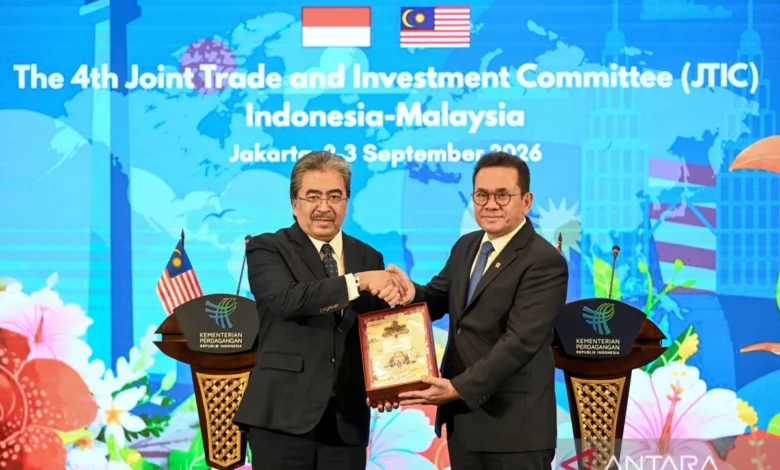
In the complex architecture of modern international relations, bilateral cooperation serves as the foundational mechanism through which sovereign states navigate their interests, manage diplomatic tensions, and foster mutually beneficial partnerships. Defined as a formal engagement between two nations, bilateralism represents a targeted approach to diplomacy that facilitates deep integration across economic, political, technological, and defense sectors. For Indonesia, an emerging global power and a prominent voice in the Global South, bilateral diplomacy has evolved into a sophisticated instrument of statecraft, currently encompassing formal ties with 162 countries and one specialized territory as of August 2025.
The Anatomy of Bilateral Diplomacy
At its core, bilateral cooperation is a direct, state-to-state agreement designed to address shared priorities. Unlike multilateralism, which involves a multitude of stakeholders—such as the United Nations, ASEAN, or the G20—bilateralism is characterized by its exclusivity and agility. By focusing on two parties, nations can bypass the bureaucratic inertia often associated with large-scale international forums, allowing for faster implementation of policies, more tailored trade agreements, and specific defense-sharing initiatives.
The instruments of this cooperation are varied, ranging from high-level state visits that culminate in signed Memorandums of Understanding (MoUs) to long-term strategic partnerships. These documents serve as the legal framework for activities such as infrastructure investment, educational exchanges, and intelligence sharing. While multilateral platforms provide the venue for broad normative agreements, bilateral channels allow Indonesia to translate these norms into tangible national progress.
Historical Context and Evolution
Indonesia’s foreign policy, traditionally guided by the principle of "free and active" (bebas aktif), has historically utilized bilateralism to maintain strategic autonomy. Throughout the 20th century, these relationships were primarily focused on recognition and post-colonial sovereignty. However, as the 21st century progressed, the focus shifted toward economic development and global supply chain integration.
The chronology of Indonesia’s diplomatic expansion highlights a strategic pivot toward emerging markets. In the early 2000s, the focus was predominantly on regional stability within Southeast Asia. By the 2010s, the nation began aggressively pursuing Comprehensive Economic Partnership Agreements (CEPA) with countries like Australia and Japan. As of 2025, the landscape has expanded to include critical technology transfers, food security initiatives with African nations such as Sudan, and long-term infrastructure partnerships that align with the global energy transition.
The Six Pillars of Bilateral Engagement
The Ministry of Foreign Affairs of the Republic of Indonesia categorizes the objectives of bilateral engagement into six primary pillars, each essential for the nation’s long-term development:
- Diplomatic Deepening: Strengthening political ties creates a buffer during times of regional instability. A robust bilateral channel ensures that even when geopolitical friction exists at a multilateral level, open lines of communication remain functional between Jakarta and its partners.
- Economic Acceleration: Through trade liberalization and foreign direct investment (FDI), bilateralism serves as a catalyst for GDP growth. By securing preferential market access, Indonesia enhances its competitiveness in global exports.
- Human Capital Development: The modern era of diplomacy is increasingly focused on the "soft power" of knowledge. Student exchange programs, joint academic research, and vocational training initiatives are critical to preparing the Indonesian workforce for the fourth industrial revolution.
- Technological Sovereignty: Through partnerships with nations possessing advanced industrial bases, Indonesia seeks to move up the value chain. This includes joint ventures in aerospace, digital infrastructure, and renewable energy technology.
- Security and Stability: Cooperation in the defense sector, including maritime security and joint military exercises, is vital for safeguarding Indonesia’s vast archipelago. Collaborative efforts to combat transnational crimes—such as human trafficking, terrorism, and cybercrime—are standard components of these agreements.
- Cultural Diplomacy: Strengthening social ties ensures that partnerships are not merely transactional but are deeply rooted in the mutual understanding of shared values, history, and cultural exchange.
Case Studies in Modern Engagement
The versatility of the bilateral model is best demonstrated by Indonesia’s diverse partnerships. The relationship with the Netherlands, for instance, has evolved from a historical colonial context to a modern, value-based partnership focusing on circular economy, climate adaptation, and water management. This shift reflects a maturing diplomatic approach where past grievances are replaced by forward-looking, sustainable development goals.
Conversely, the relationship with Papua New Guinea serves as a model for regional neighborly cooperation. The institution of the Annual Leaders’ Dialogue, established in 2022, provides a high-level, predictable forum for addressing border management, trade, and regional security. By formalizing these dialogues through Joint Ministerial Commissions, both nations have minimized the risk of border-related friction while maximizing economic synergy.
Comparative Analysis: Bilateral vs. Multilateral
While the distinction between bilateral and multilateral cooperation is often debated, experts emphasize that they are complementary rather than mutually exclusive. Multilateral forums, such as the ASEAN-Plus frameworks, allow Indonesia to engage with multiple partners simultaneously on regional issues like climate change or maritime safety.
However, when a specific national interest is at stake—such as the requirement for a particular technology for a national infrastructure project or a specific trade quota—bilateralism provides the precision that multilateral forums lack. The current diplomatic strategy in Jakarta is to leverage multilateral platforms to set the agenda and use bilateral channels to implement the practical details of that agenda. For example, Indonesia’s recent involvement in discussions surrounding the BRICS bloc is being managed in a way that aligns with its existing bilateral economic goals, ensuring that national sovereignty remains the priority.
Implications for Future Policy
The trajectory of Indonesia’s foreign policy suggests that the number of bilateral partners will continue to grow, with an increasing emphasis on the Global South. Analysts note that as global powers align into competing blocs, Indonesia’s ability to maintain a web of balanced bilateral relations will be the ultimate test of its "free and active" policy.
Furthermore, the integration of digital diplomacy and the rise of "minilateralism"—a subset of bilateralism where small groups of countries work on specific issues—are expected to redefine how Indonesia interacts with the world. The recent trend of long-term, century-spanning agreements, such as those seen in global contexts like the Canada-Ukraine partnership, sets a precedent for how Indonesia might seek to "lock in" its strategic interests for the coming decades.
Official Perspectives and Strategic Outlook
The Ministry of Foreign Affairs (Kemlu) maintains that the strength of Indonesia’s international standing is directly proportional to the depth of its bilateral ties. In official statements, representatives emphasize that these partnerships are not merely about trade balances but about building a resilient, interconnected economy that can withstand global shocks.
From a policy analysis standpoint, the success of these bilateral relations depends on the agility of the diplomatic corps to pivot between high-level policy and grassroots implementation. As the world faces challenges ranging from the food security crisis to the rapid development of Artificial Intelligence, Indonesia’s strategy of building tailored, specific, and mutually beneficial relationships serves as a stabilizing force in the Indo-Pacific region.
In conclusion, bilateral cooperation remains the backbone of Indonesia’s interaction with the international community. Whether addressing immediate needs like food security with Sudan or long-term strategic goals with major economic powers, the mechanism of the bilateral agreement remains the most effective tool for advancing the national interest. By carefully balancing these relationships, Indonesia continues to assert its role as a key actor on the global stage, ensuring that its foreign policy is as dynamic and resilient as the nation itself. As we move further into the 2026 fiscal cycle, the continued expansion and refinement of these 162 bilateral ties will undoubtedly remain a cornerstone of Jakarta’s strategic vision for national prosperity and global leadership.