Elderly Driver Sanctioned After Blocking Emergency Ambulance Carrying Critical Patient in Solo

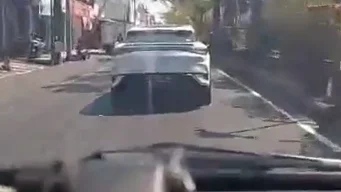
The city of Solo recently became the focal point of a widespread public discussion regarding road safety, emergency vehicle right-of-way, and the fitness of elderly drivers. A viral video capturing a white BYD electric vehicle obstructing an ambulance carrying a critically ill patient along Jalan Yos Sudarso triggered intense public backlash across digital platforms. The incident, which occurred on a Monday afternoon, placed the spotlight on the vulnerabilities inherent in urban traffic management and the critical need for absolute compliance with emergency vehicle protocols. Authorities from the Solo City Police Traffic Unit swiftly intervened, identifying the driver and issuing a formal traffic ticket. This enforcement action was followed by a formal mediation session between the driver and local emergency volunteer organizations, bringing to light complex issues surrounding age-related sensory decline, driver competency, and the ethical responsibilities of motorists sharing public thoroughfares with life-saving units.
Chronology of the Incident on Jalan Yos Sudarso
The sequence of events began when an ambulance operated by the Saber volunteer network was dispatched to transport a patient in urgent, critical condition to a medical facility. Navigating the dense afternoon traffic of Solo required the vehicle to project high-intensity visual and auditory warning signals, including its emergency siren and flashing lights. As the ambulance advanced along Jalan Yos Sudarso, it encountered a white BYD passenger car traveling in the same direction.
According to the ambulance driver and leader of the Saber volunteer group, Wirawan, the driver of the white sedan not only failed to yield the right-of-way but actively impeded the emergency vehicle’s progress. Initial accounts from the field indicated that the BYD driver repeatedly applied the brakes, slowed down deliberately, and refused to move aside despite continuous siren blasts. When the ambulance attempted to overtake the sedan on the left side, the maneuvering space was restricted by roadside vendors, and the driver of the white car allegedly maintained a blocking position, frustrating the emergency crew’s efforts to secure a clear path for the critically ill patient.
The tense encounter was partially captured on mobile phone footage and dashcam recordings, which rapidly circulated across social media networks. The viral nature of the video drew immediate condemnation from netizens, many of whom demanded accountability for actions that directly jeopardized a patient’s life. Following the incident, fellow volunteer ambulance drivers on patrol spotted the same white BYD vehicle near the Gemblegan intersection in Solo. The vehicle and its operator were subsequently tracked down, and arrangements were made for an official mediation session hosted at the Traffic Unit headquarters of the Solo City Police.
Investigation, Identification, and Traffic Enforcement
Law enforcement authorities acted promptly upon receiving reports and gathering digital evidence of the obstruction. The driver of the white BYD was officially identified as a 79-year-old male, publicly referred to by his initial S, who resides in Sanggrahan village within the Grogol district of Sukoharjo Regency.
The enforcement of traffic regulations in this case was confirmed by the Head of the Law Enforcement Unit for the Solo City Police Traffic Directorate, AKP Kurniawan Triatmojo. In an official statement provided to the press, Triatmojo confirmed that the driver was subjected to legal sanctions in accordance with prevailing traffic laws. The motorist was issued a formal traffic ticket, commonly known as a tilang, for failing to give way to an authorized emergency vehicle utilizing its sirens and warning lights.
Under Indonesian traffic regulations, specifically the Law on Road Traffic and Transportation, emergency vehicles such as ambulances actively transporting patients hold a prioritized status on the road. All other motorists are legally mandated to yield the right-of-way immediately by moving to the left or stopping safely to allow the emergency unit to pass without hindrance. Failure to comply with these statutory requirements constitutes a punishable traffic violation, which can carry financial penalties and administrative scrutiny depending on the severity and context of the obstruction.
Mediation and Explanation from the Elderly Driver
Seeking a constructive resolution to the incident, the Solo City Police facilitated a face-to-face meeting between the driver, S, and representatives of the Saber volunteer ambulance group. During the mediation proceedings, the elderly motorist provided an explanation for his failure to yield, asserting that he was entirely unaware of the ambulance’s presence directly behind him.
S testified that he did not hear the high-decibel siren of the emergency vehicle due to significant hearing loss, vehemently denying any intentional malice or deliberate attempt to sabotage the transport of the patient. Following the discussions, Wirawan recorded a video statement in which S offered a public apology to the ambulance crew and the broader community. Speaking in Javanese, the elderly driver expressed profound remorse: "Beforehand, I wish to apologize. I am truly not making excuses. I genuinely did not hear it, upon my life. Please forgive me. I hope you can grant me your grace and deep forgiveness, and may the Almighty always bless you. I truly did not mean it; I am already old, it was unintentional, and I drove believing the road was already safe."
The emotional plea highlighted the personal distress experienced by the driver upon realizing the potential consequences of his actions, while also underscoring the stark reality of his diminished sensory capabilities while operating a motor vehicle on public roads.
Recommendations and Safety Concerns Raised by Volunteers
The mediation session served as a platform for emergency responders to address broader safety concerns associated with aging drivers and urban congestion. Wirawan, speaking on behalf of the Saber volunteers, emphasized that while human empathy was extended toward the elderly driver, systemic safety risks could not be overlooked.
During the dialogue, the volunteer leadership conveyed several firm recommendations to S and his family regarding his continued viability as a licensed driver. Wirawan stressed that driving a motor vehicle is a high-responsibility task that requires acute sensory perception and rapid reaction times. "We conveyed that this must not be repeated," Wirawan stated. "If someone is indeed no longer fit to drive, they should not force themselves. If the sound of an ambulance siren that loud cannot be heard, imagine how much less likely they are to hear a motorcycle horn. Secondly, driving in such a condition clearly endangers other road users."
To mitigate potential risks without entirely stripping the elderly citizen of mobility, the volunteer group offered practical alternatives. They suggested that S should refrain from self-driving and instead rely on designated drivers, family members, or ride-hailing transportation services for his daily commutes. Furthermore, for situations where driving is absolutely unavoidable, they recommended the use of medical assistance devices such as hearing aids and advised adherence to the outermost left lane to minimize disruptions to the flow of traffic.
At the conclusion of the mediation, both parties formalized their understanding by signing an official statement. The video containing the apology was released as part of a restorative resolution, bringing a close to the direct conflict between the parties involved while leaving the broader regulatory questions open for public debate.
Broader Implications: Age, Competency, and Emergency Access in Urban Traffic
The incident in Solo has catalyzed a broader national conversation regarding the oversight of elderly drivers and the accessibility challenges faced by emergency services across Indonesian cities. As urban centers experience continuous population growth and increased vehicle density, the operational environment for emergency medical services has grown increasingly complex. Ambulances frequently encounter gridlock, narrow thoroughfares, and instances of driver distraction or disregard, all of which can severely compromise pre-hospital care and patient survival rates.
Medical professionals and traffic safety experts point out that conditions such as presbycusis—age-related hearing loss—and cognitive slowing are natural components of the aging process. However, the presence of these conditions in active drivers creates a significant hazard if vehicles are operated without compensatory measures or regular medical clearances. Unlike commercial transport sectors, private driving license regulations in many jurisdictions do not mandate routine cognitive and sensory re-evaluations for elderly motorists once they have passed their initial licensing milestones decades prior.
This structural gap raises critical policy questions concerning public safety and driver licensing renewals. Advocates for stricter traffic safety reforms argue that mandatory periodic health check-ups, including comprehensive vision and hearing assessments for drivers above a certain age threshold, should be integrated into the license renewal process. Such measures would help identify sensory impairments early, ensuring that seniors can transition safely to alternative mobility options before an accident or emergency obstruction occurs.
Furthermore, public awareness campaigns regarding emergency vehicle protocol remain an urgent necessity. Educational initiatives must continually reinforce the legal and moral obligations of motorists when encountering sirens and flashing lights. Public service announcements frequently remind citizens that delayed medical intervention can mean the difference between life and death for critical patients suffering from acute trauma, cardiovascular events, or respiratory failures.
The incident involving the white BYD and the Saber ambulance serves as a cautionary tale for motorists and a case study for municipal authorities. While the swift intervention of the Solo City Police and the subsequent mediation prevented the situation from escalating into formal criminal prosecution, the underlying vulnerabilities remain unaddressed on a systemic level. Balancing the dignity and mobility needs of aging populations with the absolute imperative of public safety and emergency responsiveness requires a delicate multifaceted approach—combining strict legal enforcement, empathetic community mediation, and proactive policy reforms in driver licensing and health evaluations.