National Children’s Day 2026 Strengthening the Pillars of Protection and Fostering the Future of Indonesia’s Golden Generation

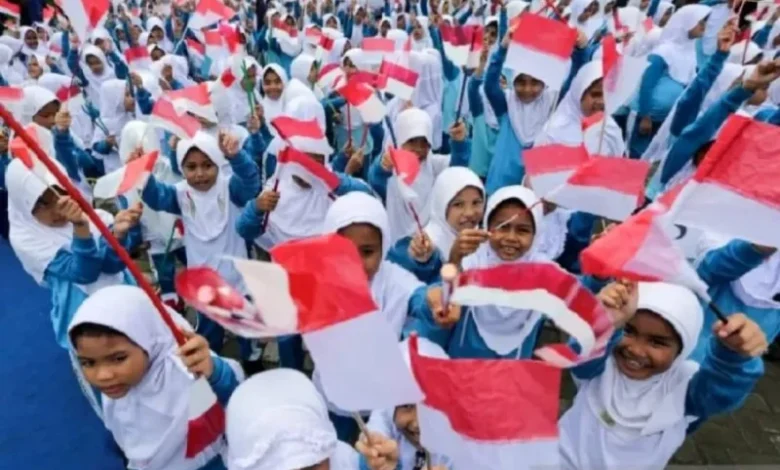
Indonesia celebrates National Children’s Day every July 23 as a pivotal moment to catalyze public awareness and institutional commitment toward the fulfillment of children’s rights and the robust implementation of child protection frameworks across the archipelago. This annual observance serves as a profound reminder that every child, regardless of their background or geographical location, possesses the fundamental right to live, grow, develop, and participate in society, while being shielded from all forms of violence, discrimination, and exploitation. As the nation approaches the 42nd anniversary of this observance in 2026, the government has officially designated the theme "Sayang Anak, Lindungi dan Bangun Masa Depan" (Love the Children, Protect and Build the Future). This theme encapsulates a holistic vision where the immediate emotional needs of children are met through compassionate upbringing, their physical and mental safety is guaranteed through legal and social safeguards, and their future is secured through equitable access to education and health services.
The significance of National Children’s Day has evolved far beyond its origins as a ceremonial event. In the modern era, it has become a strategic platform for all elements of the nation—ranging from the central government and local authorities to the private sector and civil society—to consolidate their efforts in creating a "Child-Friendly Indonesia." This mission is intrinsically linked to the national vision of "Indonesia Emas 2045" (Golden Indonesia 2045). With children comprising approximately one-third of the total population, their quality of life today directly dictates the nation’s capacity to harness its demographic bonus and transition into a high-income, developed economy within the next two decades.
Historical Evolution and Legal Foundations of Child Rights in Indonesia
The journey toward a comprehensive child protection framework in Indonesia is rooted in the country’s constitutional values. The primary legal bedrock is found in the 1945 Constitution of the Republic of Indonesia, specifically Article 28B, Paragraph (2), which explicitly states that every child has the right to survival, growth, and development, as well as the right to protection from violence and discrimination. This constitutional mandate serves as the North Star for all subsequent legislative actions.
The formalization of National Children’s Day can be traced back to the late 1970s. On July 23, 1979, the government enacted Law Number 4 of 1979 concerning Child Welfare. This legislation was a landmark achievement, as it was the first time the state specifically codified the welfare of children as a core component of national development. To honor the enactment of this law, President Suharto issued Presidential Decree Number 44 of 1984, officially designating July 23 as National Children’s Day.
Over the decades, the legal landscape has been continuously refined to address emerging social complexities. In 2002, the government passed Law Number 23 on Child Protection, which was later significantly strengthened by Law Number 35 of 2014. These updates expanded the scope of protection to include specific measures against human trafficking, economic and sexual exploitation, and the involvement of children in political activities or armed conflicts. Furthermore, the 2014 amendment reinforced the accountability of the state, local governments, and families, ensuring that the best interests of the child are the primary consideration in all administrative and legal proceedings.
Addressing Modern Challenges: Data and Socio-Economic Context
While the legal framework is robust, the practical challenges facing Indonesian children remain multifaceted. According to data from the Indonesian Child Protection Commission (KPAI) and the Ministry of Women’s Empowerment and Child Protection (KemenPPPA), reports of child abuse and bullying have seen a fluctuating but concerning trend over the last five years. In 2023 and 2024, there was a noted increase in cases of "cyber-violence," including online grooming, digital harassment, and exposure to inappropriate content.
In terms of health, Indonesia continues to grapple with the issue of stunting. While the prevalence of stunting among children under five has dropped significantly from 30.8% in 2018 to roughly 21.5% in 2023, the government aims to reach a target of 14% by the end of the current development cycle. National Children’s Day 2026 will serve as a critical checkpoint for these health interventions, emphasizing that a child’s cognitive and physical development is the foundation of their future productivity.
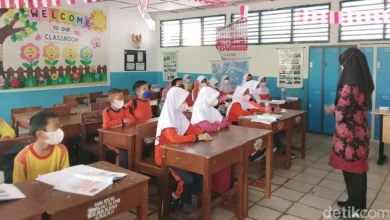
Education also remains a cornerstone of the 2026 theme. Despite achieving nearly universal primary school enrollment, challenges persist in the quality of education and the high dropout rates at the senior high school level in rural and underdeveloped regions (3T areas: outermost, frontline, and disadvantaged). The 2026 observance highlights the "Build the Future" aspect of the theme by advocating for digital literacy and inclusive education for children with disabilities, ensuring that no child is left behind in the transition to a digital economy.
Strategic Initiatives and Government Responses
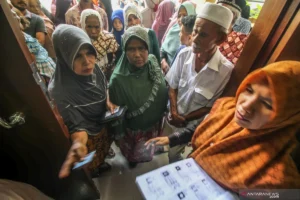
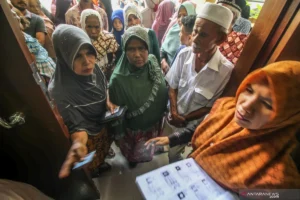
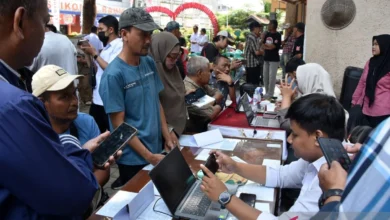
In anticipation of National Children’s Day 2026, various ministries and state agencies have launched targeted initiatives to provide tangible benefits to children. One notable program is the acceleration of the Child Identity Card (KIA) issuance. In regions like Sebatik, a border area in North Kalimantan, the mass recording and distribution of KIA have been framed as a "birthday gift" for the nation’s children. The KIA is more than just an identification document; it is a gateway for children to access public services, health subsidies, and educational discounts, thereby fostering a sense of belonging and citizenship from an early age.
The Ministry of Law and Human Rights (now restructured as the Ministry of Immigration and Correctional Affairs) also utilizes the momentum of National Children’s Day to implement progressive justice reforms. In a recurring tradition of restorative justice and rehabilitation, the ministry grants sentence reductions (remissions) to thousands of juvenile inmates—referred to as "children in conflict with the law." For instance, in previous years, over 1,000 children received remissions, with many being granted immediate release. This policy reflects the state’s belief that children deserve a second chance and that the correctional system should prioritize education and reintegration over retribution.
Furthermore, public service providers are increasingly integrating child-friendly policies into their operations. Transjakarta, the capital’s bus rapid transit system, has used National Children’s Day to launch educational campaigns aimed at introducing public transportation to the younger generation. By teaching children how to navigate urban transit safely and sustainably, these initiatives aim to build a culture of civic responsibility and environmental awareness.
Analyzing the 2026 Theme: A Call to Action
The 2026 theme, "Sayang Anak, Lindungi dan Bangun Masa Depan," signifies a shift toward a more proactive and preventative approach to child protection.
- Sayang Anak (Love the Children): This component focuses on the family unit as the primary environment for a child’s growth. It encourages "Positive Parenting" and calls for the elimination of physical and psychological punishment within the household. Experts argue that emotional security in the early years is the greatest predictor of mental health and social stability in adulthood.
- Lindungi (Protect): This refers to the systemic safeguards required to shield children from external threats. In the 2026 context, this heavily emphasizes "Digital Safety." As Indonesia’s internet penetration continues to rise, the state is under pressure to regulate digital platforms more strictly to prevent the exploitation of minors and to provide parents with the tools needed to monitor online activities.
- Bangun Masa Depan (Build the Future): This is a forward-looking directive. It involves equipping children with "21st-century skills," such as critical thinking, creativity, and collaboration. It also involves environmental stewardship, preparing children to lead a nation that is increasingly vulnerable to climate change.
Broader Impact and the Path Toward 2045
The implications of a successful National Children’s Day celebration extend far beyond a single day of festivities. It serves as an annual audit of the nation’s progress toward international standards, such as the United Nations Convention on the Rights of the Child (UNCRC). By aligning national themes with global Sustainable Development Goals (SDGs)—particularly those related to quality education, reduced inequalities, and peace and justice—Indonesia positions itself as a leader in child advocacy within the ASEAN region.
Economically, the focus on children is a high-yield investment. Economists suggest that every dollar spent on early childhood development and nutrition yields a return of up to 13 times in future productivity and reduced social costs. Therefore, the "Build the Future" mandate is as much an economic strategy as it is a social one.
As Indonesia moves closer to the year 2045, the role of National Children’s Day as a cultural and political catalyst will only grow. The 2026 commemorations are expected to foster a stronger synergy between the government, schools, the private sector, and the community. The goal is to transform child protection from a legal obligation into a national culture—a "way of life" where every adult feels a collective responsibility for the safety and success of every child.
In conclusion, National Children’s Day 2026 is a testament to Indonesia’s enduring commitment to its youngest citizens. By reflecting on historical milestones, addressing current data-driven challenges, and implementing visionary themes, the nation is not just celebrating children; it is actively constructing the foundation of its future greatness. The success of "Indonesia Emas 2045" begins with the protection and empowerment provided to children today, ensuring they grow into a generation characterized by integrity, intelligence, and a profound love for their country.