Memory Card and Flash Drive Prices Soar by 123% Amidst Unprecedented AI-Driven NAND Demand, Sparking Market Uncertainty

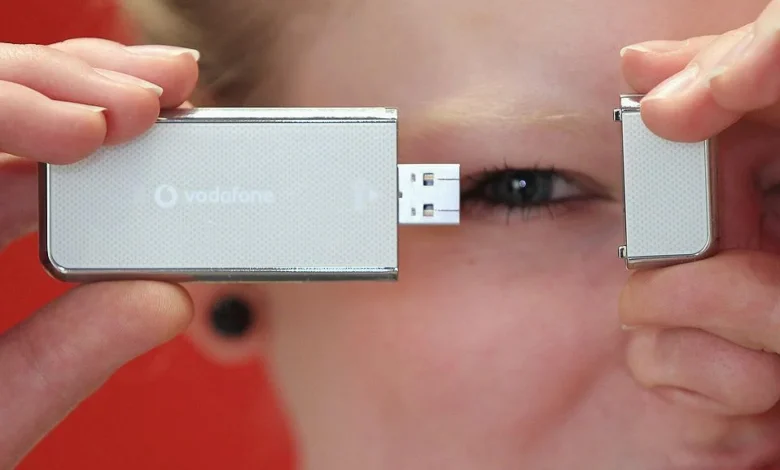
Jakarta – The global market for memory cards and USB flash drives has been rocked by an unprecedented surge in prices, with recent findings from Tom’s Hardware, referencing PCWorld’s exhaustive investigation, revealing an average price increase of a staggering 123 percent compared to the previous year. This dramatic escalation has left consumers and industries grappling with significantly higher costs for essential data storage components, a trend showing no immediate signs of abatement. The analysis highlights not only the broad impact but also pinpointed extreme instances of price inflation, underscoring the severity of the current market conditions.
The Unprecedented Price Surge: A Deeper Dive into the Numbers
The reported 123 percent average increase is merely a midpoint, indicating that many products have seen even more dramatic price hikes. One particularly striking example cited in the investigation is the Lexar Blue microSDXC UHS-I 256GB memory card, which reportedly saw its price skyrocket by an astonishing 261 percent year-over-year. This particular case serves as a stark illustration of the volatile landscape currently dominating the memory storage market. The comprehensive report further emphasized the absence of any instances where memory product prices remained stable or experienced a decline; every single sample examined consistently showed a sharp upward trajectory in pricing compared to the preceding year. This pervasive trend indicates a systemic issue rather than isolated incidents of price adjustment. Historically, the memory market has been cyclical, with periods of high demand often followed by oversupply and subsequent price drops. However, the current surge appears to be driven by a confluence of factors that are reshaping these traditional market dynamics, pushing prices to levels not seen in recent memory. For consumers, this translates to significantly higher costs for items previously considered affordable, impacting everything from smartphone storage expansion to portable data backup solutions. Businesses reliant on these components for various applications, from embedded systems to data logging, are also facing mounting operational expenses.
The Core Culprit: AI’s Insatiable Appetite for NAND
At the heart of this dramatic price surge lies the fundamental connection between consumer-grade memory products and the sophisticated demands of artificial intelligence (AI) data centers. Memory cards and USB flash drives, despite their relatively simple appearance, are fundamentally built using NAND flash memory chips. Crucially, these chips are fabricated from silicon wafers on the exact same production lines as the more advanced NAND components destined for Solid State Drives (SSDs), including those used in high-performance enterprise environments. The primary distinction between the NAND chips used in a basic USB drive and a cutting-edge data center SSD often lies merely in their quality grading and packaging. Manufacturers sort NAND chips based on their performance, endurance, and defect rates, categorizing them into different tiers of quality. Lower-grade chips, which might have minor imperfections or slightly reduced performance characteristics, are typically allocated for consumer products like memory cards and flash drives, where the performance and endurance requirements are less stringent. Higher-grade, pristine chips are reserved for SSDs, especially enterprise-grade solutions where reliability and speed are paramount.
The current market dislocation stems directly from the escalating demands of AI data centers. These facilities require vast quantities of high-quality, high-performance NAND flash memory to support the intensive data processing and storage needs of AI model training, inference, and large-scale data analytics. The performance, reliability, and low latency of enterprise-grade SSDs, which utilize the finest available NAND chips, are critical for AI workloads. Consequently, customers operating AI data centers are demonstrating an unprecedented willingness to pay a substantial premium for these high-quality NAND chips. This robust demand, coupled with the ability of AI companies to absorb higher costs due to the strategic importance of AI infrastructure, has profoundly influenced manufacturing priorities. Faced with lucrative orders from these AI giants, NAND flash manufacturers are naturally prioritizing these high-margin, large-volume contracts. They are optimizing their production lines and allocating their highest-quality output to meet the insatiable appetite of the AI sector. This strategic shift in manufacturing focus has an immediate and direct consequence: the supply of lower-grade NAND chips, traditionally earmarked for consumer products like memory cards and USB drives, has become severely constrained. This acute shortage in the market for lower-tier NAND is the primary driver behind the suffocating price increases observed across the consumer memory segment.
Supply Chain Disruptions and Market Dynamics
The ripple effects of this prioritization are evident throughout the supply chain. With a limited pool of lower-grade NAND available, manufacturers of memory cards and USB drives are facing significant challenges in securing adequate components. This scarcity inevitably drives up their input costs, which are then passed on to consumers. The situation has become so challenging that it is forcing several major brands in the consumer memory sector to re-evaluate their product strategies. Rather than competing for scarce, higher-priced lower-grade NAND, some are reportedly shifting their focus towards more premium product lines, where margins are potentially higher and the demand for top-tier components aligns more closely with current supply realities.
A notable example of this trend emerged earlier this month when SanDisk, a prominent player in the memory market, launched a 2TB SD card with an astonishing price tag of USD 2,000, or approximately IDR 32 million. Even more telling is that this price already includes a substantial discount of USD 500 (around IDR 8 million), indicating the true cost and perceived value of high-capacity, high-performance memory in the current climate. Such pricing strategies underscore the manufacturers’ response to the prevailing market conditions, where high-end, specialized products can command premium prices, while the more commoditized consumer products face intense pressure from supply shortages. The economics of supply and demand are playing out in real-time, with unprecedented demand from a powerful new sector (AI) effectively outcompeting traditional consumer markets for critical components.
Broader Context: The Semiconductor Landscape
The current situation with NAND flash memory is not entirely isolated but rather reflective of broader trends within the semiconductor industry. While the AI boom is a primary driver, other factors can influence the stability of semiconductor supply chains. Geopolitical tensions, trade policies, and even the availability of raw materials (like silicon) can create bottlenecks. Furthermore, the construction of new fabrication plants (fabs) to increase production capacity is an incredibly capital-intensive and time-consuming process, often taking several years from groundbreaking to full operation. This inherent lag means that even if manufacturers decide today to significantly increase NAND production, the impact on supply would not be felt for a considerable period.
The memory market has historically been highly cyclical, characterized by boom-and-bust cycles where periods of high demand lead to increased investment, eventually resulting in oversupply and subsequent price corrections. However, the current AI-driven demand represents a new, powerful, and potentially more sustained force. Unlike previous cycles driven by PC or smartphone growth, AI’s demand for data storage and processing power is projected to grow exponentially for the foreseeable future, potentially altering the traditional cyclical patterns. This sustained demand places unprecedented pressure on existing manufacturing capacities and challenges the industry’s ability to adapt quickly.
Expert Projections and Divergent Forecasts
While the current crisis is severe, there is a general consensus among industry analysts that this period of extreme price inflation for NAND flash memory will not last indefinitely. The market is expected to eventually normalize, but the critical question remains: when will this correction truly occur? Predictions regarding the timeline for market stabilization are currently varied, reflecting the complexity and evolving nature of the factors at play.
One school of thought, held by a segment of market observers, suggests that these elevated prices could persist for a considerable duration, potentially extending as far as 2027. This long-term outlook is often predicated on the assumption that the growth in AI infrastructure and the associated demand for high-quality NAND will remain robust and outpace any immediate increases in manufacturing capacity. Building new fabs and bringing them to full production is a multi-year endeavor, meaning that even aggressive investment today might not alleviate supply constraints for several years. Furthermore, as AI models become larger and more complex, their storage requirements will only continue to escalate, potentially creating a sustained demand floor for NAND.
Conversely, another group of analysts points to recent market movements as evidence that a price correction may already be underway, or at least imminent. They cite the recent decline in the prices of DDR5 RAM as a potential harbinger of broader market adjustments. While DDR5 RAM (Dynamic Random Access Memory) and NAND flash memory are distinct technologies used for different purposes (RAM for volatile, high-speed working memory; NAND for non-volatile storage), both are fundamental components of the broader semiconductor memory market. A downturn in RAM prices could indicate a broader softening of demand in certain segments or an increase in manufacturing efficiency that could eventually spill over into the NAND market. However, it is crucial to note the differences: DDR5 RAM saw a significant surge driven by new CPU platforms, but that initial rush may have stabilized, or capacity caught up. The demand for NAND from AI is arguably more fundamental and long-term, potentially making its price trajectory less susceptible to short-term corrections seen in DRAM. This divergence in expert opinion highlights the significant uncertainty currently clouding the future trajectory of memory prices, making strategic planning challenging for both manufacturers and consumers.
Implications for Consumers and Industry
The sustained high prices of memory cards and flash drives have far-reaching implications. For consumers, the direct impact is felt in increased costs for essential devices. Photographers, for instance, are facing higher expenses for SD cards and CFexpress cards crucial for their high-resolution cameras. Smartphone users looking to expand their storage or transfer data will find USB drives significantly more expensive. This could push some consumers towards cloud storage solutions, which, while convenient, often come with recurring subscription fees and dependence on internet connectivity. Alternatively, external hard drives, which use different storage technologies, might see a resurgence in popularity for bulk data storage, though they lack the portability and speed of flash-based solutions.
For manufacturers of consumer electronics, the rising cost of NAND inputs is a significant challenge. Companies producing digital cameras, drones, smart home devices, and other gadgets that rely on embedded or removable flash storage are facing increased production costs. This could lead to higher retail prices for their products or a reduction in profit margins. Some might explore alternative, albeit less ideal, storage solutions, or focus on optimizing existing storage capacities to reduce reliance on external components. The shift towards premium products by some memory brands also indicates a strategic adaptation to market realities, potentially leaving a gap in the affordable, entry-level consumer memory market.
The AI industry, the primary catalyst for this shift, will likely continue its aggressive acquisition of high-quality NAND. Their long-term growth trajectory and the strategic importance of AI mean that high storage costs are often viewed as a necessary investment. This sustained demand ensures that manufacturers will continue to prioritize enterprise-grade NAND, maintaining pressure on consumer-grade supplies. The implications for the broader tech ecosystem are profound, as the cost of foundational components continues to be shaped by the cutting-edge demands of artificial intelligence.
Potential Future Scenarios and Market Correction Mechanisms
Several factors could contribute to the eventual stabilization or decline of NAND prices. The most significant would be the commissioning of new fabrication plants. As new fabs come online and ramp up production, the overall supply of NAND chips will increase, potentially alleviating current shortages. However, as noted, this process takes years. Another factor could be technological breakthroughs in NAND manufacturing, such as new architectures (e.g., higher layer count 3D NAND) that allow for more efficient production or greater bit density per wafer, thereby increasing effective supply.
A potential, though less likely in the short term, scenario could involve a slowdown in AI investment or a saturation of AI data center build-outs. However, current projections suggest robust growth in AI for the foreseeable future. Inventory levels at manufacturers and distributors also play a role; if these levels begin to build up due to a slight softening of demand or an uptick in supply, it could signal an impending price correction. The dynamic interplay of these factors will ultimately determine when the memory market returns to a more balanced state.
Conclusion
The current surge in memory card and flash drive prices represents a significant and ongoing challenge for consumers and industries worldwide. Driven primarily by the voracious demand for high-quality NAND flash memory from the rapidly expanding AI data center sector, manufacturers have prioritized these lucrative contracts, leading to an acute shortage of lower-grade NAND chips for consumer products. While analysts agree that this unsustainable price inflation will eventually subside, the timeline remains a subject of intense debate, with predictions ranging from imminent corrections to a prolonged period extending to 2027. As the semiconductor industry navigates this unprecedented landscape, the fundamental question of when supply will finally catch up with the insatiable demands of artificial intelligence continues to cast a long shadow over the future of memory storage costs.
Related posts: