The Enduring Debate: Assessing the Safety and Sustainability of True Wireless Stereo Earbuds Versus Traditional Wired Earphones

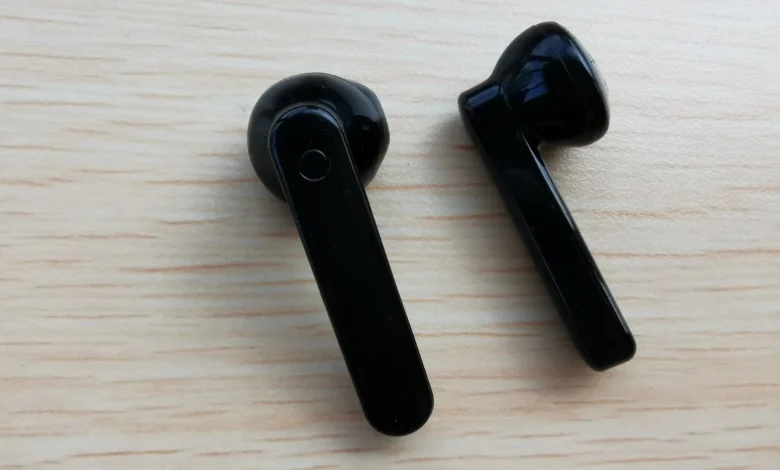
The pervasive presence of portable audio devices in modern life has ignited a significant public discourse regarding the safety and environmental implications of True Wireless Stereo (TWS) earbuds compared to their traditional wired counterparts. As wireless audio solutions continue to dominate market share, driven by convenience and the progressive elimination of headphone jacks in smartphones, the fundamental questions surrounding their impact on hearing health, personal hygiene, and ecological footprint have become increasingly pertinent. While the allure of untethered listening is undeniable, a closer examination reveals a nuanced landscape of advantages and disadvantages, prompting consumers and experts alike to weigh convenience against long-term well-being and planetary health.
The Ascent of Wireless Audio: A Brief History and Market Dynamics
The evolution of personal audio has been a journey of increasing portability and decreasing physical connection. From the iconic Sony Walkman in the late 1970s, which popularized portable music with wired headphones, to the Apple iPod’s digital revolution in the early 2000s, the tether remained a constant. The true paradigm shift began with the widespread adoption of Bluetooth technology in the mid-2000s, slowly paving the way for wireless headphones. However, the true "cord-cutting" phenomenon accelerated dramatically in the mid-2010s, notably with the introduction of Apple’s AirPods in 2016, which effectively mainstreamed the TWS form factor. This period coincided with many smartphone manufacturers opting to remove the 3.5mm headphone jack, further nudging consumers towards wireless solutions.
The market for TWS earbuds has since exploded. Grand View Research reported the global true wireless stereo (TWS) headphones market size was valued at USD 13.9 billion in 2022 and is expected to grow at a compound annual growth rate (CAGR) of 13.4% from 2023 to 2030. This growth is propelled by several factors: unparalleled convenience, the absence of tangled wires, a sleek aesthetic appeal, and advancements in audio quality, battery life, and smart features like active noise cancellation (ANC) and voice assistant integration. For many, TWS devices symbolize modernity and freedom from cumbersome cables, making them an indispensable accessory for commuting, exercising, and daily tasks. Yet, beneath this veneer of innovation lies a complex array of considerations that challenge their perceived superiority.
Hearing Health: Deciphering the Decibels and Duration
When it comes to hearing health, the World Health Organization (WHO) provides a clear, overarching guideline: the primary determinants of hearing damage are not the type of audio device but rather the volume level and the duration of exposure. This crucial distinction forms the bedrock of understanding the immediate health risks associated with both TWS and wired earphones.
The WHO recommends keeping device volume below 60% of the maximum level and limiting listening sessions to no more than 60 minutes consecutively, followed by a break. This "60/60 rule" is a practical guideline designed to mitigate the risk of noise-induced hearing loss (NIHL), a progressive and often irreversible condition caused by prolonged or intense exposure to loud sounds. Research indicates that exposure to sounds at or above 85 decibels (dB) can cause permanent hearing damage over time. To put this in perspective, a normal conversation is around 60 dB, while a busy city street can reach 85 dB, and a rock concert can easily exceed 100 dB. Many personal audio devices can easily reach volumes exceeding 100 dB, posing a significant risk if used improperly.
TWS Specifics and Hearing Risk:
TWS earbuds often sit snugly within the ear canal, creating an "occlusion effect" where the ear canal is largely sealed off. While this can enhance bass response and passive noise isolation, it can also lead users to perceive external noise more acutely when the earbuds are not playing audio, or to feel a need to increase volume in noisy environments to overcome ambient sound. Despite the proliferation of advanced features like Active Noise Cancellation (ANC) in modern TWS devices, which aims to reduce ambient noise and thus the need for higher volumes, improper use can still lead to issues. If ANC is not effectively engaged or if users are in excessively loud environments, they may still instinctively crank up the volume. Moreover, the compact design of TWS units sometimes necessitates smaller drivers, which, to produce sufficient bass or clarity, might be pushed to higher output levels, potentially leading to listening fatigue or damage if not managed carefully. Audiologists frequently warn that while ANC helps, it doesn’t eliminate the risk if the volume is still too high.
Wired Earphone Specifics and Hearing Risk:
Wired earphones, generally, offer a more stable and consistent audio signal with lower latency. Many users report that sound from wired earphones feels more "natural" or "uncolored," potentially reducing the impulse to increase volume excessively to achieve clarity or impact. However, this does not grant them immunity from NIHL. If wired earphones are used at high volumes for extended periods, the risk of hearing damage is identical to that of TWS. The key takeaway from the WHO and medical professionals is that user behavior is the paramount factor, not the connection type. Regardless of the device, adherence to safe listening practices is essential for preserving auditory health.
Environmental Footprint: The Hidden Cost of Convenience
Beyond immediate health concerns, the burgeoning TWS market presents a formidable challenge to environmental sustainability, primarily due to its reliance on lithium-ion batteries and its contribution to the global electronic waste (e-waste) crisis. This is where wired earphones demonstrate a clear and significant advantage.
1. Battery Dependency and Resource Exploitation:
The core distinction lies in power sources. Wired earphones draw power from the connected device and contain no internal battery. TWS earbuds, conversely, are entirely dependent on compact, rechargeable lithium-ion batteries, both within each earbud and often in their charging case. The production of these batteries is highly resource-intensive and environmentally damaging.
- Raw Materials: Lithium-ion batteries require a range of critical raw materials, including lithium, cobalt, nickel, and various rare earth elements. The mining of these metals is associated with significant environmental degradation. Cobalt mining, for instance, particularly in regions like the Democratic Republic of Congo, is linked to human rights abuses, child labor, and severe environmental pollution, including land destruction and water contamination. Lithium extraction often involves extensive water usage in arid regions and can contaminate local water sources. Nickel mining, too, contributes to deforestation and habitat destruction.
- Carbon Footprint: The entire lifecycle of lithium-ion batteries, from raw material extraction and processing to manufacturing and transportation, carries a substantial carbon footprint. Estimates suggest that producing just one ton of lithium can generate up to 15 tons of CO2. The energy intensity of manufacturing these batteries further exacerbates greenhouse gas emissions, contributing to climate change. The cumulative effect of billions of tiny batteries being produced annually for TWS devices adds up to a staggering environmental burden.
2. E-Waste Crisis and Shorter Lifespans:
The integrated design of TWS earbuds, coupled with the inherent limitations of lithium-ion battery technology, contributes significantly to the global e-waste problem.
- Planned Obsolescence: Lithium-ion batteries degrade over time, losing their capacity to hold a charge. For tiny devices like TWS earbuds, replacing these batteries is often impossible or economically unfeasible. This effectively creates a built-in obsolescence, as the earbuds become functionally useless once their battery life diminishes, typically within 2-3 years. This contrasts sharply with wired earphones, which can last for many years if cared for, often failing only due to a damaged cable, which can sometimes be repaired or replaced.
- Recycling Challenges: The small size and complex, multi-material composition of TWS earbuds make them notoriously difficult to recycle effectively. They often contain a mix of plastics, metals (including valuable rare earths), and hazardous chemicals from the battery, all tightly integrated. Many e-waste recycling facilities are not equipped to efficiently process such small, intricate items, leading to a significant portion ending up in landfills, where toxic chemicals can leach into the environment. The United Nations’ Global E-waste Monitor 2020 reported that a record 53.6 million metric tons of e-waste was generated worldwide in 2019, but only 17.4% was formally collected and recycled. Small consumer electronics, including TWS, contribute significantly to this unrecycled mass.
Wired Earphones’ Environmental Advantage:
Wired earphones, by eschewing internal batteries and complex microelectronics, inherently boast a far lower environmental impact. Their simpler construction means fewer rare earth minerals, less energy-intensive manufacturing, and no toxic battery waste. Should they break, often it is merely a frayed cable, which can sometimes be repaired, or the entire unit can be more easily recycled due to its less complex material composition. This makes them a more sustainable choice in terms of resource consumption and waste generation.
Physical Ear Health: Beyond the Sound Waves
Beyond the auditory system, the physical interaction of audio devices with the ear canal also raises health considerations, where wired earphones again present certain advantages.
1. Risk of Infection and Irritation:
TWS earbuds, particularly those with silicone tips that create a tight seal, can alter the microclimate within the ear canal. The snug fit can trap moisture and reduce air circulation, creating a warm, humid environment ideal for the proliferation of bacteria and fungi. Prolonged use, especially during physical activity or in humid climates, without regular cleaning, can lead to:
- Otitis Externa (Swimmer’s Ear): An infection of the outer ear canal, often caused by bacteria or fungi thriving in moist conditions. Symptoms include pain, itching, redness, and discharge.
- Fungal Infections: Fungi like Candida can also thrive in moist ear canals, leading to discomfort and infection.
- Skin Irritation: The materials used in ear tips (silicone, foam) can sometimes cause allergic reactions or simple irritation due to constant friction or pressure.
In contrast, most wired earphones, especially the traditional "earbud" style that rests outside the ear canal opening, allow for better airflow and less moisture buildup. Even wired in-ear monitors (IEMs) that seal the ear canal are often designed with materials that are less prone to trapping moisture, and their users are generally more accustomed to proper hygiene practices. The ability to easily remove and clean parts of wired earphones can also contribute to better ear hygiene.
2. Electromagnetic Fields (EMF) and Bluetooth Radiation:
A common concern raised about TWS earbuds is their use of Bluetooth technology, which emits non-ionizing electromagnetic fields (EMF). While this concern often appears in public discussions, the overwhelming scientific consensus is that the power output of Bluetooth devices is extremely low and poses no known health risk from radiation. Bluetooth operates in the radiofrequency (RF) spectrum, similar to Wi-Fi and cell phones, but at significantly lower power levels. Regulatory bodies worldwide, including the Federal Communications Commission (FCC) in the U.S. and the International Commission on Non-Ionizing Radiation Protection (ICNIRP), have established safety guidelines for RF exposure, and Bluetooth devices typically operate well within these limits. While some individuals remain wary, current scientific evidence does not support claims of harm from Bluetooth EMF. Wired earphones, of course, emit no such fields as they transmit audio via electrical signals through a cable.
Durability, Repairability, and Longevity
The inherent design philosophies of TWS versus wired earphones lead to stark differences in their durability, repairability, and ultimately, their lifespan. This factor directly impacts both consumer value and environmental sustainability.
Wired Earphones:
- Simplicity and Robustness: Wired earphones, by their nature, are simpler devices. They consist primarily of drivers, a housing, and a cable. This straightforward construction makes them inherently more robust against certain types of failures.
- Ease of Repair: The most common point of failure for wired earphones is the cable, which can fray or break. In many cases, a damaged cable can be replaced or repaired by an experienced user or a professional, extending the life of the entire unit. High-end wired headphones often feature detachable cables, making replacement trivial.
- Longevity: With proper care (avoiding tangles, storing them safely), wired earphones can last for many years, even decades. Their functionality is not tied to a degrading battery, meaning their core performance remains consistent over time.
TWS Earbuds:
- Complex Integration: TWS earbuds are miniature marvels of engineering, integrating drivers, Bluetooth chips, batteries, microphones, and various sensors into an incredibly small form factor. This complexity makes them difficult, if not impossible, for the average consumer to repair.
- Battery as the Weak Link: As discussed, the lithium-ion battery is the Achilles’ heel of TWS devices. Its finite charge cycles and inevitable degradation mean that even if all other components are functioning perfectly, the device will eventually become unusable. This forces consumers to replace them, often long before the audio components themselves have failed.
- Fragility and Water Damage: While many TWS devices boast water resistance, their intricate electronics are still susceptible to impact damage or liquid ingress if the seals are compromised. The compact nature means internal components are tightly packed, making them vulnerable.
- Limited Lifespan and E-Waste: The combined effect of non-repairability and battery degradation leads to a significantly shorter practical lifespan for TWS earbuds, typically ranging from 18 months to 3 years. This rapid turnover contributes massively to the growing pile of e-waste, as consumers are constantly replacing functional but battery-dead devices.
Consumer Choice in a Complex Landscape
The choice between TWS and wired earphones is no longer a simple matter of preference; it involves a complex interplay of convenience, sound quality, perceived health risks, and environmental consciousness. For many, the unparalleled freedom and seamless integration of TWS devices with their digital ecosystem are non-negotiable. The absence of tangled wires during a workout, the quick pairing with multiple devices, and the sleek, minimalist aesthetic hold immense appeal.
However, a growing segment of consumers, often referred to as "green consumers" or those prioritizing health and sustainability, are becoming increasingly aware of the hidden costs. They are questioning the rapid consumption cycle, the environmental impact of battery production and disposal, and the potential long-term health implications of tightly sealed earbuds. The "right to repair" movement, gaining traction globally, also highlights the frustration with non-repairable electronics, pushing for products designed for longevity and serviceability.
The Path Forward: Innovation, Regulation, and Responsibility
The debate between TWS and wired earphones is not simply about declaring one definitively "better" than the other in all aspects. Instead, it underscores critical areas where innovation, regulation, and consumer behavior must converge to create a more sustainable and health-conscious future for personal audio.
Industry Innovation:
Manufacturers of TWS devices are increasingly under pressure to address environmental concerns. This could manifest in several ways:
- Sustainable Materials: Utilizing recycled plastics, bio-based polymers, and more ethically sourced rare earth minerals.
- Modular Design: Designing TWS earbuds with easily replaceable batteries or components to extend their lifespan and facilitate repair.
- Energy Efficiency: Improving battery technology for longer life and faster, more efficient charging, thereby reducing the frequency of charging cycles and extending overall product utility.
- Enhanced Recycling Programs: Developing take-back programs and partnerships with specialized e-waste recyclers to ensure proper disposal and recovery of valuable materials from end-of-life products.
Government Regulation:
Governments and regulatory bodies have a crucial role to play in fostering sustainability:
- Extended Producer Responsibility (EPR): Implementing policies that hold manufacturers accountable for the entire lifecycle of their products, including collection and recycling.
- Right to Repair Legislation: Enacting laws that mandate manufacturers to make spare parts, tools, and repair manuals available to consumers and independent repair shops, challenging planned obsolescence.
- E-Waste Management: Investing in and standardizing advanced e-waste recycling infrastructure capable of handling complex, small electronics.
Consumer Responsibility:
Ultimately, individual choices and habits remain paramount:
- Safe Listening Practices: Adhering to the WHO’s 60/60 rule and being mindful of volume levels and listening duration, regardless of device type.
- Product Longevity: Choosing durable products, maintaining them properly, and seeking repairs rather than immediate replacements.
- Informed Purchasing: Researching brands and products that demonstrate a commitment to sustainability and ethical manufacturing.
- Proper Disposal: Ensuring that electronic waste, especially items containing batteries, is disposed of through designated e-waste recycling channels, not in general household waste.
In conclusion, while both True Wireless Stereo earbuds and traditional wired earphones can be used safely from a hearing health perspective when proper volume and duration guidelines are followed, a comprehensive analysis reveals that wired earphones possess significant advantages in terms of environmental sustainability and certain aspects of physical ear health. Their battery-free operation eliminates the considerable ecological footprint of lithium-ion battery production and disposal, contributes less to the burgeoning e-waste crisis, and their simpler design often allows for greater longevity and repairability. Furthermore, by generally promoting better ear canal ventilation, they may reduce the risk of moisture-related ear infections. Therefore, from a holistic viewpoint encompassing health, environmental impact, and product lifecycle, wired earphones present a compelling case as the more "safer" and sustainable choice for the discerning consumer. The ongoing evolution of audio technology must increasingly integrate these considerations to ensure that convenience does not come at an unsustainable cost to our health or our planet.
Related posts: