Ex-Employees of PT Sritex React to Prosecutors’ Demand for Rp 677 Billion in Restitution, Prioritizing Worker Claims

Semarang, Indonesia – A significant development in the ongoing legal proceedings against the former leadership of PT Sritex has drawn sharp reactions from ex-employees, who are urgently calling for their outstanding claims to be prioritized. Prosecutors have demanded that the former executives, identified as Iwan Setiawan, Iwan Kurniawan, and Allan Moran, pay a substantial restitution of Rp 677 billion. However, for the former workers, this demand is overshadowed by the unresolved issue of their unpaid wages, severance packages, and holiday allowances, totaling approximately Rp 300 billion.
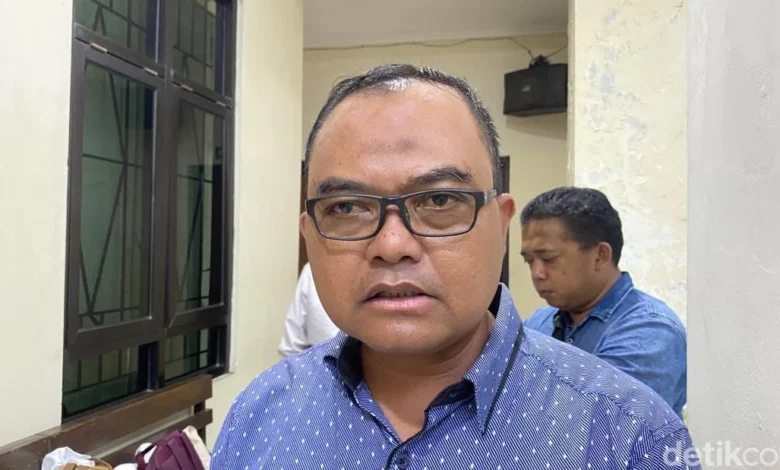
Slamet Kaswanto, a 47-year-old representative of the ex-employees who has been a consistent presence at every court hearing, expressed his surprise and concern over the prosecutors’ demand. "We were certainly taken aback," Kaswanto stated in an interview with detikJateng on Monday, April 20, 2026. "But what is clear is that the employees’ rights have not been fully distributed since the company was declared bankrupt." This sentiment underscores a deep-seated anxiety among the former workforce, who have been awaiting the settlement of their dues for an extended period.
The core of the ex-employees’ plea lies in their status as preferential creditors. In bankruptcy proceedings, preferential creditors are legally entitled to be paid before unsecured creditors. Kaswanto emphatically articulated this point: "The demand is for the payment of Rp 677 billion in restitution, while the assets have already been seized. Our hope is that what constitutes our claims, around Rp 300 billion, will be fulfilled. Because we are preferential creditors, we must be prioritized." This assertion highlights the fundamental expectation that their labor contributions should be recognized and compensated before any restitution is made to other parties.
The Lingering Shadow of Bankruptcy and Asset Liquidation
PT Sritex, a once prominent textile manufacturer, was declared bankrupt, plunging its extensive workforce into uncertainty. The bankruptcy process, initiated over a year ago, has been characterized by a slow and arduous asset liquidation by the appointed curator. Kaswanto described the protracted nature of this process, noting, "It’s been over a year, but the auction of assets has not proceeded comprehensively. The employees are becoming impatient, wondering when this will be resolved."
The prolonged timeline has exacerbated the financial distress of the former employees. Many have reportedly not received their severance pay or holiday allowances since the company’s declaration of bankruptcy. "Severance pay has not been received, nor have holiday allowances. It’s been over a year," Kaswanto reiterated, emphasizing the ongoing hardship faced by the former workforce. This lack of essential financial support amplifies their desperation for a swift and equitable resolution.
Legal Ramifications and Judicial Expectations
The legal battle centers on the alleged financial misconduct of the former executives. The Public Prosecutor’s Office (JPU) has sought severe penalties, demanding that the three defendants – Iwan Setiawan, Iwan Kurniawan, and Allan Moran – each receive a 16-year prison sentence, minus time already served. In addition to imprisonment, they face a Rp 1 billion fine, with an alternative of 190 days of detention for non-payment. The most significant demand, however, is the Rp 677 billion in restitution, with a further 8-year prison sentence stipulated for failure to comply.
The ex-employees’ hopes are now pinned on the judicial decision. Kaswanto expressed a strong desire for the panel of judges to deliver a verdict that champions justice for the former workers. "If the panel of judges acts for justice, for the ex-employees of Sritex, it would certainly be more lenient, or perhaps a verdict of acquittal," he stated, revealing a nuanced hope that justice might even extend to a release for the accused if their actions are deemed to have been unfairly punished or if the process can be expedited in a manner that benefits the workers.
Furthermore, Kaswanto suggested that the involvement of the debtor, in conjunction with the curator in the asset auction process, could potentially expedite the sale of seized assets. "Because the debtor is accompanied by the curator in the auction, it is possible that it will be sold more quickly," he commented, implying a belief that direct engagement from the defendants might streamline the liquidation process, thus accelerating the distribution of funds to creditors, including the former employees.
Background and Context of the PT Sritex Case
The case of PT Sritex dates back several years, with the company facing significant financial challenges leading to its bankruptcy. The exact nature of the alleged financial misconduct that led to the current legal proceedings remains a key point of contention, but it is understood to involve financial irregularities that have impacted the company’s solvency and, consequently, its workforce.
Timeline of Key Events (Inferred and Based on Reporting):
- Pre-Bankruptcy Period: PT Sritex experiences escalating financial difficulties, leading to operational disruptions and concerns among employees regarding their future and entitlements.
- Bankruptcy Declaration: PT Sritex is officially declared bankrupt by the relevant court. This triggers the appointment of a curator to manage the company’s assets and liabilities.
- Worker Claims Emerge: Former employees begin to formally lodge their claims for unpaid wages, severance packages, and other dues, estimating their collective entitlement to be around Rp 300 billion.
- Legal Proceedings Against Former Executives: Prosecutors initiate criminal proceedings against former key figures of PT Sritex, alleging financial impropriety.
- Asset Liquidation Process: The curator commences the process of liquidating PT Sritex’s assets to settle outstanding debts. This process is reported to be ongoing and facing delays.
- Prosecution’s Demand: Prosecutors present their demands to the court, including substantial prison sentences and a significant restitution amount of Rp 677 billion from the accused.
- Ex-Employees’ Appeal: Former employees, through their representatives like Slamet Kaswanto, publicly voice their concerns and demand prioritization of their claims in the distribution of any recovered funds.
- Current Stage (April 2026): The court is deliberating on the case, with the ex-employees anxiously awaiting a verdict that addresses both the restitution demands and their own outstanding financial rights.
Supporting Data and Broader Economic Implications
The scale of the unpaid claims against PT Sritex is substantial. A sum of Rp 300 billion represents a significant financial burden on hundreds, if not thousands, of former employees who relied on their salaries and entitlements for their livelihoods. This situation is not unique to PT Sritex; instances of large-scale bankruptcies in Indonesia have often left workers in precarious financial situations, highlighting systemic issues in corporate governance and labor protection.
The Rp 677 billion restitution demand, if met, would theoretically be substantial enough to cover the workers’ claims and potentially other creditors. However, the practical challenges lie in the actual recovery of these funds. The effectiveness of the asset liquidation process by the curator is paramount. If the seized assets do not fetch a price commensurate with their estimated value, or if the process is plagued by further delays, the recovery of any significant amount for any party, including the ex-employees, becomes increasingly uncertain.
Comparative Data (Illustrative):
- Average Indonesian Minimum Wage (2026, estimated): Approximately Rp 3 million to Rp 4 million per month.
- Estimated Number of Ex-Employees: If the average unpaid entitlement per employee is, for example, Rp 20 million (covering wages, severance, and THR over a prolonged period), then Rp 300 billion would imply roughly 15,000 former employees. This figure underscores the widespread impact of the bankruptcy.
- Value of Restitution vs. Worker Claims: The Rp 677 billion restitution demand is more than double the Rp 300 billion owed to the workers. This disparity, while seemingly positive for the workers if prioritized, also raises questions about the overall financial health and potential asset base of the company and the individuals involved.
Official Responses and Stakeholder Perspectives
While the primary voices heard in this report are those of the ex-employees, it is important to acknowledge the roles of other stakeholders.
- The Public Prosecutor’s Office (JPU): Their demand for Rp 677 billion in restitution indicates a belief that significant financial wrongdoing has occurred, necessitating punitive financial penalties alongside imprisonment. Their focus is on holding the former executives accountable for their actions.
- The Curator: The curator’s role is to maximize the recovery of assets for the benefit of all creditors. Their efficiency and transparency in managing the liquidation process are critical to the outcome of this case. Delays in asset sales can lead to depreciation and further complicate the distribution of funds.
- The Court: The ultimate arbiter, the panel of judges, will weigh the evidence presented by both the prosecution and the defense, alongside the claims of creditors like the ex-employees. Their decision will shape the immediate future for all parties involved.
It is reasonable to infer that the defendants, through their legal representatives, would be presenting arguments to mitigate the charges and potentially contest the restitution amount. Their defense strategy, however, is not detailed in the provided text.
Broader Impact and Implications
The PT Sritex case carries significant implications beyond the immediate financial recovery of the former employees.
- Investor Confidence: High-profile bankruptcies and legal battles involving corporate leadership can erode investor confidence in the Indonesian business environment. The perception of weak corporate governance or inadequate legal recourse for employees can deter foreign and domestic investment.
- Labor Rights and Protections: The protracted struggle of ex-employees for their dues highlights the ongoing challenges in enforcing labor rights in Indonesia. It underscores the need for robust legal frameworks and efficient enforcement mechanisms to protect workers in cases of corporate insolvency.
- Judicial Efficiency: The slow pace of asset liquidation and legal proceedings can lead to prolonged suffering for those affected and can create a backlog in the justice system. The case serves as a reminder of the importance of timely and effective judicial processes.
- Corporate Social Responsibility: The incident also raises questions about the corporate social responsibility of businesses. Companies have a moral and often legal obligation to ensure the fair treatment and financial security of their employees, even in times of financial distress.
The ex-employees of PT Sritex are not merely seeking financial compensation; they are seeking justice and the recognition of their fundamental rights as workers who contributed to the company’s operations. Their plea for prioritization of their claims amidst the larger restitution demand is a stark reminder that the human cost of corporate bankruptcy often falls most heavily on the shoulders of the ordinary employee. The forthcoming judicial decision will be closely watched, not only for its impact on the individuals involved but also for its potential to set precedents in corporate accountability and labor protection in Indonesia.