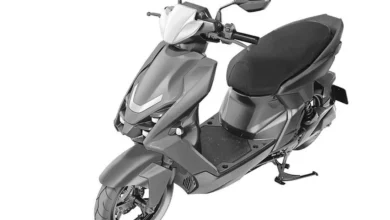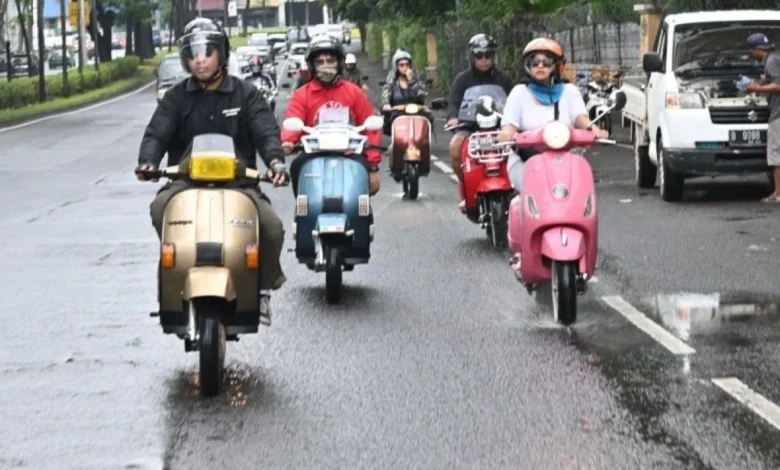
The allure of the Vespa matic scooter in Indonesia, particularly among the younger demographic, is undeniable. Fusing iconic classic design with contemporary technology, these scooters offer not only a stylish mode of transportation but also a comfortable and practical solution for daily urban mobility. However, like any sophisticated mechanical device, Vespa matics require diligent and regular maintenance to ensure their engines perform at their peak. This includes crucial services such as engine oil changes, gear oil replacement, fuel injection system cleaning, and meticulous attention to the Continuously Variable Transmission (CVT) system. Despite adhering to these recommended maintenance schedules, a common complaint among Vespa matic owners surfaces: an unnerving engine hesitation or "brebet" when the throttle is engaged. This issue significantly compromises acceleration, leading to a less enjoyable and potentially disruptive riding experience. This in-depth analysis explores the multifaceted causes behind this prevalent engine behavior, drawing insights from automotive experts and industry publications to equip owners with the knowledge to diagnose and prevent such issues.
Understanding the Mechanics of Engine Hesitation
The phenomenon of a Vespa matic engine "brebet" or hesitating is not a singular problem but rather a symptom of underlying issues that can stem from various critical systems within the scooter. Broadly categorized, these problems often originate from disturbances within the ignition system, the fuel delivery network, the air intake pathway, or the intricate components of the CVT. Each of these systems plays a vital role in the combustion process and power delivery, and any compromise in their functionality can manifest as a loss of smooth acceleration.
Key Culprits Behind Vespa Matic Engine Hesitation
To effectively address the "brebet" issue, it is imperative to understand the most frequent culprits identified by automotive specialists and corroborated by extensive owner experiences. These are not exhaustive, but represent the most common points of failure or degradation that lead to this undesirable riding characteristic.
1. The Crucial Connection: Damaged Spark Plug Caps (Cangklong Busi)
Often overlooked due to its seemingly simple nature, the spark plug cap, or "cangklong busi," plays an indispensable role in the ignition sequence. This component acts as the conduit, transmitting electrical current from the ignition coil directly to the spark plug. In many Vespa matic models, these caps are constructed from rubber, a material susceptible to hardening and becoming brittle over time due to exposure to heat and environmental factors.
Beyond the natural aging process, improper installation of the spark plug cap can also lead to its malfunction. If not seated correctly, the internal spring contact within the cap can become dislodged or misaligned. This disruption directly impacts the stability of the electrical flow to the spark plug, resulting in a weaker spark within the combustion chamber. An insufficient spark leads to incomplete combustion of the air-fuel mixture, directly translating to the engine struggling to accelerate smoothly and exhibiting the characteristic "brebet" sensation. The reliability of this connection is paramount, as even a slight impedance can significantly degrade engine performance.
2. The Spark of Life: Dirty or Worn Spark Plugs
The spark plug itself is a cornerstone of the ignition system. Its primary function is to generate a precisely timed spark that ignites the air-fuel mixture within the engine’s combustion chamber, initiating the power stroke. Over extended periods of operation, the tip of the spark plug can accumulate carbon deposits as a byproduct of the combustion process. This carbon fouling can insulate the electrodes, hindering the spark’s ability to jump across the gap.
Furthermore, the electrodes of the spark plug are subject to wear. As they erode, the gap between them may deviate from the manufacturer’s specified tolerance. Both carbon buildup and electrode wear contribute to an unstable spark. An inconsistent or weak spark results in incomplete combustion, leading to a noticeable loss of engine power and the sensation of the engine stuttering or "brebet" when the throttle is applied. Regular inspection and replacement of spark plugs, typically recommended every 10,000 to 15,000 kilometers depending on usage and fuel quality, are critical preventative measures.
3. The Powerhouse Link: Faulty Ignition Coil or Spark Plug Wires
While the spark plug and its cap are vital, the components that supply the electrical energy to them are equally important. The ignition coil’s role is to dramatically increase the voltage from the scooter’s electrical system to a level sufficient to create a strong spark at the plug. If the ignition coil begins to weaken with age or use, or if the spark plug wires (if applicable to the specific model) become damaged or degraded, the voltage delivered to the spark plug will be insufficient.
A diminished electrical current means a weaker spark. This leads to inefficient combustion, a reduction in overall engine performance, and the onset of the "brebet" symptom. In modern Vespa matics, the ignition coil is often integrated more closely with the spark plug cap, making a direct failure of a separate wire less common but still a possibility for older models or specific components. The integrity of the high-voltage circuit is non-negotiable for optimal engine function.
4. Fueling the Fire: Clogged Fuel Filter or Weak Fuel Pump
Disruptions within the fuel delivery system are another significant contributor to engine hesitation. The fuel filter’s responsibility is to remove impurities from the gasoline before it reaches the fuel injectors. A clogged fuel filter restricts the flow of fuel, starving the engine of the necessary amount of gasoline. Similarly, the fuel pump, responsible for delivering fuel from the tank to the engine under pressure, can weaken over time or become obstructed by debris.
When the fuel pressure is not maintained at the optimal level required by the engine, the fuel supply becomes erratic. This instability directly impacts the air-fuel mixture, leading to incomplete or inconsistent combustion. The result is a noticeable stutter or hesitation, particularly during acceleration when the engine demands a higher fuel flow. Maintaining a clean fuel filter, typically replaced every 20,000 to 30,000 kilometers, is crucial. Monitoring for signs of a weakening fuel pump, such as a noticeable decrease in performance or difficulty starting, is also important.
5. Precise Delivery: Dirty Injectors or Throttle Body
Vespa matics employ sophisticated electronic fuel injection (EFI) systems, which rely on clean injectors to atomize fuel into a fine mist for optimal combustion. Over time, carbon deposits and other contaminants can build up within the injector nozzles and the throttle body, which regulates the amount of air entering the engine. This buildup can disrupt the precise spray pattern of the fuel, leading to an imbalanced air-fuel mixture.
When the injectors are clogged or the throttle body is dirty, the engine may receive an incorrect ratio of air and fuel. This leads to incomplete combustion within the engine cylinders, manifesting as a loss of power and the characteristic "brebet" feeling, especially when the throttle is opened. Regular cleaning of the fuel injection system, often recommended as part of scheduled maintenance or indicated by performance issues, is vital. Many modern workshops offer specialized cleaning services for these components.
6. Contamination Concerns: Water in the Fuel
The quality of the fuel itself plays a critical role in engine performance. Water is a common contaminant that can find its way into the fuel tank, often through improper storage of fuel or by condensation. Water does not combust like gasoline, and its presence in the fuel mixture disrupts the entire combustion process.
When water mixes with gasoline, it can lead to a significant loss of engine power, rough running, and pronounced hesitation. In severe cases, if a substantial amount of water enters the engine, it can even make the scooter difficult to start. To mitigate this risk, it is advisable to refuel at reputable petrol stations and ensure that the fuel tank cap is always securely sealed to prevent moisture ingress. The use of fuel additives designed to absorb water can also be a preventative measure.
7. The Breath of Life: Clogged Air Filter
The air filter is responsible for ensuring that only clean air enters the engine’s combustion chamber. Dust, dirt, and other airborne particles are trapped by the filter. If the air filter becomes heavily saturated with debris, it restricts the amount of air that can enter the engine. This leads to an overly rich air-fuel mixture (too much fuel, not enough air), which is not conducive to efficient combustion.
A restricted airflow due to a dirty air filter directly impacts the engine’s ability to breathe and perform optimally. This can result in a noticeable drop in power, sluggish acceleration, and the "brebet" sensation. Regular inspection and replacement of the air filter, typically every 10,000 to 15,000 kilometers or more frequently in dusty environments, is a simple yet effective maintenance task.
8. The Heart of Transmission: Worn or Deformed CVT Rollers
Not all instances of engine hesitation are directly attributable to engine components. In some Vespa matic models, the problem can originate from the Continuously Variable Transmission (CVT) system. The CVT is responsible for seamlessly adjusting the gear ratio to optimize engine performance across different speeds. A key component within the CVT are the rollers, which move within the drive pulley.
If these rollers become worn down or develop flat spots ("peyang"), their movement within the pulley becomes erratic. This irregularity disrupts the smooth transition of gear ratios, leading to vibrations, jerky acceleration, and the sensation of the engine "brebetting" as the transmission struggles to engage smoothly. The lifespan of CVT rollers can vary, but they typically require inspection and potential replacement as part of regular CVT maintenance, often around the 20,000 to 30,000-kilometer mark.
Proactive Measures: Preventing the "Brebet" Phenomenon
Preventing engine hesitation in Vespa matics hinges on a commitment to regular and thorough maintenance. Adhering to the manufacturer’s recommended service intervals is paramount. This ensures that critical components are inspected and addressed before they lead to performance degradation.
Key preventative strategies include:
- Scheduled Servicing: Routine visits to authorized or trusted workshops for scheduled maintenance are non-negotiable. This includes checks on spark plugs, ignition coils, air filters, fuel injectors, fuel filters, and all components of the CVT system. Early detection of wear or contamination can prevent more significant issues.
- Fuel Quality and Tank Management: Always use fuel that meets the manufacturer’s specifications and refuel at reputable service stations. Avoid letting the fuel tank run near empty for extended periods, as this can increase the risk of contaminants or water entering the fuel system.
- Regular Cleaning: Periodic cleaning of the fuel injection system is highly recommended, even in the absence of noticeable symptoms. This helps to prevent carbon buildup and ensures optimal fuel atomization.
- Component Inspection: Beyond scheduled services, owners should be aware of any subtle changes in their scooter’s performance. Unusual noises, vibrations, or a gradual decline in acceleration should prompt an earlier inspection.
When to Seek Professional Help
Despite diligent adherence to maintenance schedules, if a Vespa matic continues to exhibit engine hesitation, it is imperative to seek professional assistance promptly. Continuing to ride with a compromised engine can exacerbate existing problems, potentially leading to more extensive and costly repairs.
A qualified technician at an official Vespa service center or a reputable independent workshop can conduct a thorough diagnostic assessment. They possess the specialized tools and expertise to accurately identify the root cause of the "brebet" issue, whether it lies within the complex electrical, fuel, or mechanical systems. Early intervention is not only cost-effective but also crucial for maintaining the scooter’s overall reliability, safety, and longevity, ensuring that the joy of riding a Vespa matic remains uncompromised.
The enduring popularity of Vespa matics is a testament to their unique blend of style and functionality. By understanding the potential causes of engine hesitation and embracing a proactive approach to maintenance, owners can ensure their scooters continue to deliver the smooth, reliable performance that defines the Vespa experience. The investment in regular care is an investment in the continued enjoyment and utility of these iconic two-wheeled machines.