Green SM Launches Electric Motorcycle Ride-Hailing Service in Jakarta Marking Significant Shift in Urban Mobility

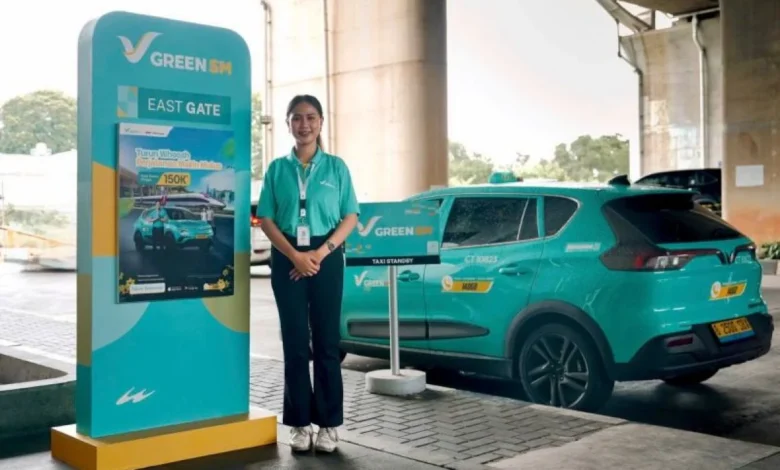
Jakarta, September 16, 2026 – The landscape of urban transportation in Indonesia’s capital witnessed a transformative shift today as Green SM, the Vietnamese ride-hailing giant, officially inaugurated its electric motorcycle (e-motorcycle) service, Green SM Bike. This strategic expansion represents the company’s first international foray into the two-wheeled electric vehicle (EV) market, building upon its existing presence as an operator of electric taxis in the country. The launch introduces a sustainable, tech-driven alternative to conventional combustion-engine motorcycle taxis, aiming to redefine daily commuting for millions of Jakartans while simultaneously offering a unique economic pathway for local drivers.
Strategic Market Entry and Operational Scope
The deployment of Green SM Bike is centered on a commitment to green energy and urban efficiency. Commencing operations on September 16, 2026, the service is initially available across strategic districts in South, West, and Central Jakarta. By concentrating on these high-traffic hubs, Green SM intends to address the persistent challenges of traffic congestion and air pollution that continue to affect Jakarta’s metropolitan core.
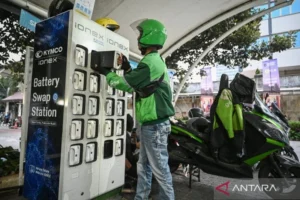
The fleet is comprised exclusively of VinFast electric scooters, specifically the Evo and Feliz II models. These vehicles have been selected for their suitability for urban navigation and their robust performance in dense traffic environments. To support this fleet, the company is actively developing an integrated network of battery charging and swapping stations, a critical infrastructure requirement to ensure that service uptime remains consistent throughout the day. This initiative aligns with the broader Indonesian government agenda to accelerate the adoption of electric vehicles under the national transition toward a low-carbon transportation sector.
A New Economic Model: Rent-to-Own and Flexible Leasing
One of the most distinctive aspects of the Green SM entry is its approach to driver partnerships. Unlike traditional platforms that often rely on independent contractors using personal vehicles, Green SM introduces a structured asset-management model. The company has rolled out two primary engagement strategies: a "rent-to-own" program and a flexible short-term lease option.
Under the rent-to-own scheme, prospective partners can access a VinFast electric motorcycle for a daily fee starting at IDR 39,000. This program is designed as a long-term commitment, where drivers can potentially gain full ownership of the vehicle after completing a two-year participation period, provided all contractual obligations are met. This model is intended to provide stability for drivers who might otherwise lack the capital to invest in a high-quality electric scooter upfront.
For those who prefer a less permanent arrangement, Green SM offers flexible leasing terms with durations of three, six, or 12 months. This option requires a modest deposit of IDR 150,000, allowing drivers to operate the vehicles without the long-term commitment of ownership. To further incentivize early adoption, the company has pledged a guaranteed daily revenue of IDR 160,000 for the first two months for qualifying drivers, supplemented by performance-based bonuses. These financial structures reflect a calculated effort by Green SM to mitigate the entry barrier for prospective partners while ensuring a high standard of service quality.
Recruitment, Training, and Regulatory Compliance
The transition to an electric fleet involves rigorous standards for personnel. To maintain safety and operational efficiency, Green SM has established clear eligibility criteria for its fleet partners. Applicants must be aged between 21 and 54 years and six months, possess a valid Indonesian motorcycle driving license (SIM C), and provide essential identification documents, including a national ID (KTP), family card (KK), and a police clearance certificate (SKCK).
Technology proficiency is a mandatory prerequisite, as drivers must be adept at using navigation software and mobile applications to manage their rides. Beyond these administrative requirements, Green SM emphasizes comprehensive training. Before a driver is cleared to hit the streets, they must undergo a mandatory induction program covering the nuances of electric vehicle handling, charging protocols, and the company’s stringent customer service standards.
The focus on safety is not merely internal; it is a response to recent scrutiny regarding the safety of electric vehicle infrastructure and operation. Following previous incidents involving the company’s taxi division, there has been an increased emphasis on professional training and vehicle maintenance. Collaborations with the National Police Traffic Corps (Korlantas Polri) have been initiated to ensure that both the drivers and the operational procedures meet the highest safety benchmarks, reinforcing the company’s commitment to building public trust.
The Role of VinFast and the EV Ecosystem
The partnership between Green SM and VinFast is a cornerstone of this expansion. As both entities share a common vision for Southeast Asian mobility, the use of the Evo and Feliz II models serves as a showcase for Vietnamese engineering. The scooters are engineered to balance range, power, and charging speed, which are the three primary variables determining the viability of an e-motorcycle taxi service.
The expansion is also part of a wider trend. With the Indonesian government aiming to reach net-zero emissions by 2060, the entry of mass-market electric ride-hailing services provides a scalable solution to decarbonize the motorcycle taxi sector, which accounts for the vast majority of personal transport in Jakarta. The establishment of battery-swapping kiosks is particularly vital, as it allows drivers to bypass the hours-long charging wait times, essentially enabling continuous operation similar to gasoline-powered vehicles.
Broader Implications for the Indonesian Transportation Sector
The introduction of Green SM Bike into the Jakarta market is expected to disrupt the existing ride-hailing hierarchy. By offering a competitive, high-quality, and environmentally friendly service, the company places pressure on legacy players to accelerate their own electric vehicle adoption. However, the success of this model will depend on several external factors, including the density of the charging network and the long-term reliability of the rental income model.
Economically, the "rent-to-own" model represents a form of financial inclusion. By allowing drivers to treat their vehicle costs as an operational expense that eventually leads to asset ownership, Green SM is effectively lowering the barrier to entry for the informal workforce. Yet, analysts caution that the sustainability of these guaranteed income programs will need to be monitored as the market matures and the number of drivers increases.
Furthermore, the government’s reaction has been largely positive. By aligning with local safety regulations and working closely with authorities such as the Ministry of Transportation and the Traffic Corps, Green SM has managed to navigate the regulatory landscape effectively. The collaboration on safety training programs is a strategic move that positions the company as a responsible corporate citizen, distancing itself from the potential stigma associated with rapid fleet expansion.
Looking Ahead: Scaling and Sustainability
While current operations are limited to specific areas of Jakarta, the company has explicitly stated that it is evaluating further expansion. The potential for scaling into other major Indonesian cities—such as Surabaya, Bandung, or Medan—remains on the table, depending on the reception in the capital.
The success of this pilot phase will serve as a bellwether for the future of electric two-wheelers in Indonesia. As the nation grapples with the dual challenges of rapid urbanization and environmental degradation, the Green SM model provides a blueprint for how private enterprise, government regulation, and sustainable technology can intersect.
Ultimately, the launch of Green SM Bike on September 16, 2026, marks the beginning of a critical chapter for Jakarta. Whether this service can achieve the necessary scale to make a meaningful impact on air quality and urban traffic remains to be seen. However, by combining a structured, incentive-based driver recruitment program with a robust electric infrastructure, Green SM is positioning itself to be a significant, if not dominant, force in the next generation of Indonesian urban mobility. For now, the eyes of the industry remain fixed on Jakarta, observing how this ambitious experiment in green transportation unfolds on the city’s crowded streets.
Related posts: