Warner Bros. has officially announced a significant shift in its theatrical release schedule, pushing the highly anticipated horror-comedy sequel Gremlins 3 from its previously slated date of November 19, 2027, to a new launch window of October 6, 2028. This adjustment extends the agonizing wait for fans of the iconic franchise by nearly an additional year, though studio executives maintain that the extended development timeline will ensure the final product meets the lofty expectations associated with the legendary property.
The postponement of Gremlins 3 underscores the meticulous care and logistical hurdles involved in reviving a dormant cinematic universe that has remained largely untouched on the big screen for over three decades. While the creative team has been assembling behind closed doors, the decision to grant the production more time highlights Warner Bros.’ commitment to delivering a theatrical event rather than a rushed nostalgic cash-grab. As fans recalibrate their expectations for the late-2028 release, industry observers are closely monitoring how the studio plans to modernize the chaotic blend of dark humor and practical creature effects for a contemporary audience.
The Origins of a Cinematic Universe and the 1984 Phenomenon
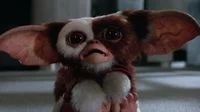
To fully understand the weight of Gremlins 3, one must examine the cultural footprint left by the original 1984 masterpiece. Directed by Joe Dante and written by Chris Columbus, the first installment introduced audiences to the innocent-looking Mogwai named Gizmo, purchased by a struggling inventor in Chinatown as a unique Christmas gift for his son, Billy Peltzer.
The narrative hinges on three strict rules regarding Mogwai care: never expose them to bright lights, never let them get wet, and never, under any circumstances, feed them after midnight. Naturally, these rules are broken, leading to the explosive multiplication of mischievous creatures that transform into scaly, malevolent monsters known as Gremlins.
Released during the summer of 1984, the original Gremlins became a massive cultural and financial phenomenon. Operating on a modest production budget of approximately $11 million, the film went on to gross an astonishing $212 million worldwide at the global box office. Beyond its commercial success, the film—alongside Steven Spielberg-produced contemporary Indiana Jones and the Temple of Doom—fundamentally changed the American film industry. Because of the intense, borderline terrifying sequences that pushed the boundaries of PG ratings, the Motion Picture Association of America (MPAA) was pressured to create an intermediate rating. This led directly to the establishment of the PG-13 rating in late 1984, forever altering how Hollywood marketed family-friendly yet edge-of-your-seat entertainment.
The Legacy of Cult Classic Status and the 1990 Sequel
Following the unprecedented triumph of the original film, Warner Bros. greenlit a sequel, though it took six years for the follow-up to materialize. Gremlins 2: The New Batch, released in June 1990 and once again directed by Joe Dante, took a wildly different narrative and tonal approach. Meta-fictional, deeply satirical, and far more anarchic, the sequel transported the chaos from the small-town setting of Kingston Falls to a hyper-modern, high-tech skyscraper in Manhattan owned by a billionaire media mogul loosely inspired by Donald Trump.
Despite its critical appreciation for its inventive self-awareness and groundbreaking creature effects by legendary puppeteer Rick Baker, Gremlins 2 underperformed commercially relative to its predecessor. It grossed roughly $41 million at the domestic box office against an expanded budget.
For many years, the franchise remained dormant in terms of live-action theatrical features. However, the unique blend of slapstick comedy, body horror, and anarchic destruction secured the first two films a dedicated cult following. Over the decades, rumors of a third installment circulated intermittently, plagued by script stagnation, rights issues, and debates over whether to utilize computer-generated imagery or traditional practical effects.
The Long Road to Gremlins 3: Chronology of a Revival
The official resurrection of the franchise began to take shape quietly behind the scenes before making public waves in 2025. The project was formally acknowledged by Warner Bros. Discovery CEO and President David Zaslav during a corporate investor earnings call, sending shockwaves through the cinematic community.
Following Zaslav’s announcement, the studio began assembling an elite powerhouse creative team. Steven Spielberg, who served as an executive producer on both the 1984 original and the 1990 sequel, was locked in to return as an executive producer alongside Eleanor Columbus. Meanwhile, Chris Columbus—who penned the original 1984 screenplay and went on to direct monumental blockbusters such as the first two Harry Potter films and Home Alone—was brought on board to steer the ship as both a director and producer.
The writing duties were assigned to screenwriter Hannah Marks, who crafted the narrative screenplay utilizing an original story draf developed collaboratively by Chris Columbus, Zach Lipovsky, and Adam Stein. The production infrastructure was further solidified with seasoned producers Kristie Macosko Krieger and Holly Bario operating under the Amblin Entertainment banner, working alongside Michael Barnathan and Mark Radcliffe from 26th Street Pictures.
Despite the heavy-hitting roster of talent attached to the behind-the-scenes framework, Warner Bros. has maintained a strict shroud of secrecy regarding the core narrative. As of early 2026, the studio has not revealed official plot details, a subtitle, or any casting announcements, leaving fans to speculate whether original stars such as Zach Galligan or Phoebe Cates might make triumphant returns to the franchise.
Official Statements and Studio Expectations
When Warner Bros. initially initiated the public rollout of the project, executives expressed immense enthusiasm for reviving one of the most recognizable intellectual properties in the studio’s vast catalogue. Jesse Ehrman, President of Development and Production at Warner Bros. Pictures, issued a statement highlighting the cultural significance of the brand.
"Not many titles are as universally beloved and iconic as Gremlins," Ehrman stated in an official company release. "We are extraordinarily thrilled to bring it back for both lifelong, dedicated fans and a brand-new generation of moviegoers."
Ehrman further emphasized the caliber of the creative partnership leading the production. "It is an absolute honor to collaborate once again with Steven Spielberg, Chris Columbus, and this phenomenal ensemble of creative minds. We genuinely cannot wait for audiences worldwide to experience the unique blend of magic, chaos, and heartwarming chaos that Gremlins delivers on the big screen."
Industry Analysis: Implications of the Delay
The decision by Warner Bros. to move the release date of Gremlins 3 from November 2027 to October 2028 warrants careful examination from an industry standpoint. October has increasingly proven to be a lucrative corridor for genre films, horror-comedies, and event-driven cinematic releases leading into the Halloween season. Positioning the film in early October gives it breathing room ahead of the crowded holiday blockbuster crush while capitalizing on autumn moviegoing habits.
Furthermore, the nearly one-year extension signals a pragmatic approach to modern visual effects and production pipelines. Bringing iconic practical creature designs into the 21st century—especially when balancing physical puppetry with necessary digital enhancements—requires an immense amount of meticulous craftsmanship. By expanding the timeline, Warner Bros. is mitigating the risk of rushed post-production schedules, a common pitfall that has derailed several high-profile legacy sequels in recent years.
As the entertainment landscape continues to rely heavily on established intellectual property, Gremlins 3 represents a fascinating litmus test. Unlike superhero franchises or science-fiction universes driven by continuous continuity, the Gremlins series thrives on standalone, high-concept suburban anarchy and dark humor. Whether the creative alchemy of Spielberg, Columbus, and Marks can successfully capture the lightning-in-a-bottle magic of 1984 for modern audiences will be answered when the film finally lands in theaters on October 6, 2028.