Hari Olahraga Nasional: A Historical Retrospective on Indonesia’s Journey Toward a Sporting Nation

September 9th serves as a landmark date in the Indonesian calendar, representing not merely a day for physical activity, but a profound intersection of national identity, historical resilience, and public health policy. Known as Hari Olahraga Nasional (Haornas), this annual commemoration traces its roots back to the inaugural Pekan Olahraga Nasional (PON) held in Solo in 1948. As the nation celebrates the 43rd anniversary of the official Haornas proclamation in 2026, it is essential to examine how this tradition has evolved from a symbolic assertion of post-independence sovereignty into a cornerstone of the country’s national development strategy.
The Genesis of a Sporting Identity: 1948 and the First PON
The history of Indonesian sports is intrinsically linked to the struggle for international recognition following the proclamation of independence in 1945. By 1948, the young republic faced significant diplomatic hurdles. The nascent nation sought to participate in the XIV Olympic Games in London, yet it encountered severe administrative barriers. International sporting bodies were hesitant to recognize Indonesia as an independent entity, leaving the country’s athletes in a state of uncertainty.
In a bold move that underscored the country’s refusal to be sidelined, the Indonesian government and sporting pioneers decided to look inward. The decision was made to organize the first Pekan Olahraga Nasional (PON) in Surakarta (Solo), Central Java. Held from September 9 to September 12, 1948, the event served a dual purpose: to provide a competitive stage for local athletes and to signal to the world that Indonesia possessed the organizational capacity and national spirit of a sovereign state. The selection of September 9 as the opening day of these inaugural games would eventually provide the foundation for the establishment of Haornas decades later.
Chronology: From Local Games to National Decree
The journey toward a formalized National Sports Day was gradual, reflecting the shifting priorities of the Indonesian government.
- September 9, 1948: The inaugural PON takes place in Solo, setting the precedent for national sporting unity.
- 1983: President Soeharto officially declares September 9 as Hari Olahraga Nasional during the inauguration of the renovated Stadion Sriwedari in Surakarta. This act elevated the importance of sports from a community activity to a state-recognized pillar of national development.
- 1985: The legal framework for the commemoration is solidified through Presidential Decree (Keppres) Number 67 of 1985, ensuring that the legacy of the 1948 games would be honored annually across the archipelago.
- 1985–2026: For over four decades, Haornas has served as a vehicle for the government to promote athletic achievement, infrastructure investment, and, more recently, the "Sport for All" movement.
The Evolution of Policy: Moving Beyond Elite Performance
In the early years of the post-1983 era, the focus of Haornas was largely directed toward elite sports—the cultivation of champions who could hoist the national flag on international podiums. However, the contemporary approach, as outlined by the Ministry of Youth and Sports (Kemenpora) in its 2025 and 2026 guidelines, has shifted toward a more holistic integration of physical activity into daily life.
The rationale for this shift is grounded in public health data. With rising concerns regarding non-communicable diseases and sedentary lifestyles in urban centers like Jakarta, Bandung, and Surabaya, the government has recognized that a robust sporting nation is not defined solely by gold medals, but by the physical well-being of its citizenry. Modern policy now emphasizes "sport-tourism" and grassroots community engagement, acknowledging that high-level athletic success is the peak of a pyramid that must be supported by a broad, active base.
Economic and Social Implications of Sport
The impact of sports in Indonesia transcends the track and the field. Recent economic analyses suggest that the sports sector is becoming a significant contributor to local economies. Initiatives such as the development of sports-tourism hubs—exemplified by plans to utilize Sumba Timur as a central stage for future PON events—demonstrate a strategic effort to leverage sporting infrastructure for regional economic growth.
Furthermore, the social implications of a robust sports culture are profound. Sports serve as a vital tool for social cohesion, particularly in a diverse archipelago. When communities come together to participate in marathons, inter-village tournaments, or school-based physical education programs, they foster a sense of shared identity and discipline. The Ministry of Youth and Sports has frequently highlighted that the cultivation of sports is inherently linked to character building, emphasizing values such as fair play, perseverance, and collective cooperation—traits essential for the next generation of Indonesian leaders.
Challenges and Future Perspectives: The Need for Infrastructure
Despite the progress made since 1948, the sporting ecosystem in Indonesia faces ongoing challenges. A primary concern remains the equitable distribution of high-quality training facilities. While major cities enjoy modern stadiums, rural areas often lack the resources to nurture budding talent.
In response, the government has proposed significant investments in specialized infrastructure. Recent reports from the Ministry of Youth and Sports indicate a requirement for approximately IDR 1.5 trillion to develop state-of-the-art academies and regional training centers. Such capital expenditure is seen as a necessary precursor to achieving consistent international competitiveness. Without a structured pipeline—from local school sports to specialized regional centers—the country risks losing talent to a lack of professional development opportunities.
Moreover, the upcoming inclusion of specialized events like the "Beach PON" at Ancol in November underscores the country’s willingness to adapt to modern sporting trends. By diversifying the types of sports promoted, Indonesia is attempting to appeal to a younger, more dynamic demographic, ensuring that the spirit of the 1948 games remains relevant in the 21st century.
The Role of Public Participation in 2026
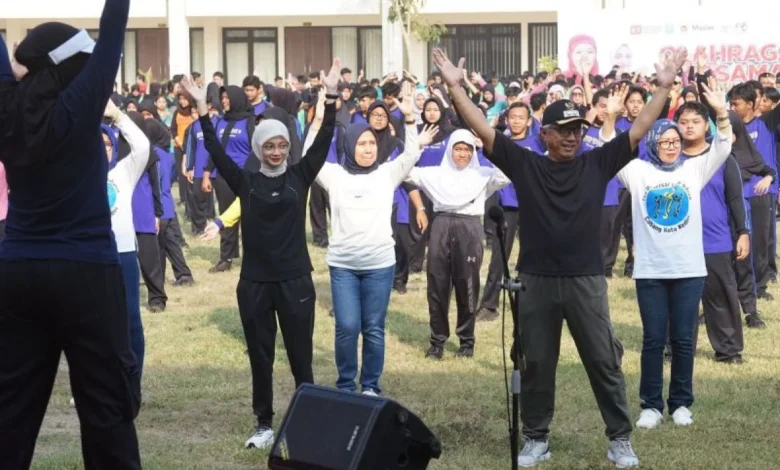
As Indonesia observes the 43rd anniversary of Haornas in 2026, the call to action for the general public is clearer than ever. The government encourages a decentralized celebration of the day, moving away from purely ceremonial events toward active participation. Whether through organized company sports days, neighborhood fitness initiatives, or simply pledging to increase daily activity, the goal is to weave the habit of movement into the fabric of the national culture.
The commemoration also serves as an opportunity for the public to reflect on the legacy of the athletes who came before them. From the pioneers who stood on the field in Solo in 1948—often with limited equipment and in the shadow of war—to the modern professional athletes who represent Indonesia globally, the message remains consistent: the strength of the nation is reflected in the vitality and ambition of its people.
Conclusion: A Legacy of Resilience
The transformation of Hari Olahraga Nasional from a post-war necessity to a comprehensive national movement reflects the broader evolution of the Indonesian state. The 1948 PON was an act of defiance and a declaration of existence; today, Haornas serves as a blueprint for long-term health, economic development, and social unity.
As the nation looks toward future milestones, the core mission remains the same as it was in the days of the first games in Solo: to ensure that the spirit of competition and the pursuit of physical excellence are accessible to all. Through continued investment in infrastructure, a focus on grassroots participation, and a commitment to the values of discipline and sportsmanship, Indonesia continues to honor its history while building a healthier, more competitive future. On this September 9, the nation does not just celebrate the history of its sports; it reaffirms its commitment to the ongoing journey of national progress, one step at a time.
Related posts: