Matcha’s Skin-Boosting Claims: Separating Fact from Fiction in the Pursuit of a Radiant Complexion

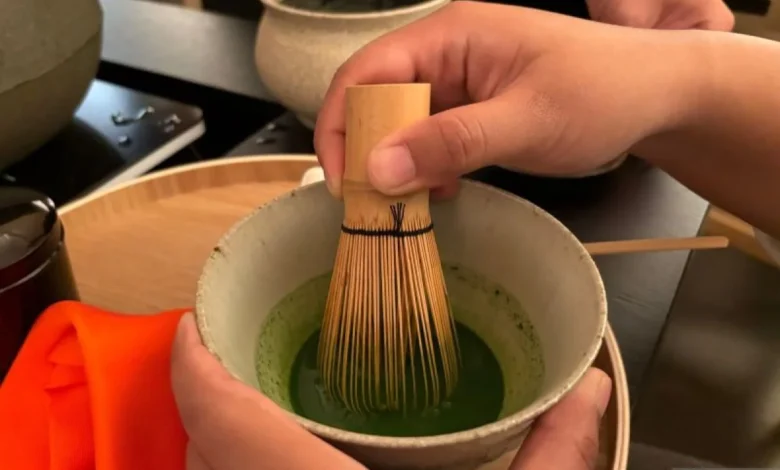
Jakarta, Indonesia – The vibrant green hue and delicate flavor of matcha have propelled it into a global beverage phenomenon, with a growing chorus of claims touting its transformative effects on skin health, promising a radiant, blemish-free complexion. While scientific inquiry increasingly supports the notion that this finely ground green tea powder possesses compounds with the potential to benefit the skin, experts caution that these advantages are not instantaneous and remain intrinsically linked to a holistic approach to well-being. The narrative surrounding matcha’s skin benefits is multifaceted, requiring a deeper dive into its composition, the scientific evidence, and the crucial context of a healthy lifestyle.
Matcha, derived from the Camellia sinensis plant, distinguishes itself from conventional green tea through a meticulous cultivation and processing method. The tea plants destined for matcha are shaded from direct sunlight for several weeks prior to harvest. This shading process significantly increases the chlorophyll and amino acid content within the leaves. Following harvest, the stems and veins are removed, and the leaves are meticulously stone-ground into an ultra-fine powder. It is this powder form that allows for the consumption of the entire leaf, a critical factor in its elevated nutrient profile compared to steeped green tea.
The unique preparation of matcha means that consumers ingest the whole leaf, leading to a more concentrated intake of bioactive compounds, most notably catechins. Among these, Epigallocatechin gallate (EGCG) stands out. EGCG is a potent antioxidant, recognized for its capacity to neutralize harmful free radicals that can damage cells, including those in the skin. This cellular protection is a cornerstone of matcha’s purported skin benefits, offering a shield against environmental stressors that contribute to premature aging and other dermatological concerns.
The question of whether matcha can truly deliver a "glow-up" for the skin, as often suggested in popular discourse, is a complex one that requires nuanced understanding. Professor Nuri Andarwulan, a distinguished Professor in the Department of Food Science and Technology at IPB University, acknowledges the potential of matcha’s antioxidant content to positively influence skin cells. "The antioxidant properties of matcha are indeed promising for supporting skin cell health," Professor Andarwulan stated in a recent interview. "However, it is crucial to manage expectations. Simply consuming matcha will not magically grant someone luminous skin overnight. Skin health is a symphony of many factors, and matcha plays a supporting role, not a leading one."
Professor Andarwulan emphasizes that a balanced diet rich in nutrients, adequate sleep, sufficient hydration, consistent use of sunscreen, and a well-established skincare routine remain the paramount determinants of healthy skin. This perspective underscores the scientific consensus that while certain foods and beverages can contribute to skin vitality, they are most effective when integrated into an overarching healthy lifestyle.
The Science Behind Matcha and Skin Health
Research into the specific benefits of matcha for the skin is ongoing, with several key areas of potential impact emerging from laboratory studies and observational data.
Protecting the Skin from Free Radical Damage
Matcha’s exceptionally high concentration of antioxidants, particularly EGCG, is central to its role in combating oxidative stress. Free radicals are unstable molecules generated by various environmental factors, including UV radiation, pollution, and even internal metabolic processes. When these radicals are not neutralized, they can inflict damage on cellular structures, leading to inflammation and accelerating the aging process. This damage can manifest as fine lines, wrinkles, and a loss of skin elasticity. By scavenging these free radicals, matcha’s antioxidants help to mitigate this cellular assault, potentially slowing down the visible signs of aging. The efficacy of antioxidants in combating oxidative stress has been a subject of extensive research across various health domains, with EGCG consistently identified as a powerful player. Studies on cell cultures and animal models have repeatedly demonstrated EGCG’s ability to reduce markers of oxidative damage.
Mitigating Skin Inflammation
The anti-inflammatory properties attributed to EGCG are another significant aspect of matcha’s potential skin benefits. Inflammation is a natural bodily response to injury or infection, but chronic or excessive inflammation can exacerbate numerous skin conditions, from acne to eczema. EGCG has been shown in vitro to modulate inflammatory pathways, suggesting it could help to calm redness and reduce irritation. While these findings are encouraging, Professor Andarwulan notes that more extensive clinical trials in humans are needed to definitively confirm the extent of matcha’s anti-inflammatory effects on various skin conditions. The challenge lies in translating laboratory findings into tangible results for diverse human physiologies and presentations of inflammatory skin issues.
Maintaining Skin Cell Integrity
Beyond protecting against external aggressors like UV rays and pollutants, matcha’s antioxidants may play a role in preserving the overall health and resilience of skin cells. By shielding cells from damage, matcha can contribute to their longevity and optimal function. This sustained cellular health is crucial for maintaining the skin’s barrier function, its ability to repair itself, and its overall youthful appearance. The cumulative effect of this protection, particularly when combined with protective measures like sunscreen and a healthy lifestyle, can contribute to better skin health over the long term. The concept of cellular protection as a foundational element of healthy aging is well-established in biomedical research.
Potential Role in Acne Management
Emerging laboratory research has indicated that EGCG may possess antimicrobial and anti-inflammatory activities that could theoretically help to combat the factors contributing to acne formation. These factors include the overproduction of sebum, the presence of bacteria like Propionibacterium acnes, and inflammation within the pores. However, the current scientific evidence demonstrating a direct link between the consumption of matcha and the resolution of acne in humans remains limited. Therefore, while matcha might offer some supportive benefits as part of a comprehensive acne treatment plan, it should not be considered a primary or standalone remedy. The transition from in-vitro studies to effective clinical treatments for complex conditions like acne is often a lengthy and challenging process.
Holistic Support for Skin Well-being
Matcha’s nutritional profile extends beyond catechins. It also contains a spectrum of vitamins, minerals, and chlorophyll, all of which contribute to overall bodily health, which in turn reflects on the skin. Chlorophyll, for instance, is known for its detoxification properties. When matcha is consumed as part of a balanced diet, with minimal added sugar, it can serve as a valuable source of antioxidants and nutrients that support general well-being and, by extension, contribute to healthier-looking skin. The interconnectedness of gut health, nutrition, and skin appearance is an area of increasing scientific interest and provides a broader framework for understanding how dietary choices impact the complexion.
Contextualizing Matcha’s Benefits: A Lifestyle Perspective
The scientific exploration of matcha’s skin benefits, while promising, consistently circles back to a fundamental truth: no single food or beverage can be a panacea for skin health. Professor Andarwulan’s assertion highlights the need for a balanced perspective. The idea that matcha can deliver a radiant complexion without a foundation of healthy habits is largely a misconception.
The timeline of research into green tea’s health benefits, including matcha, spans several decades. Early studies in the late 20th century began to identify the potent antioxidant capacity of catechins. As analytical techniques improved, the specific compounds like EGCG were isolated and their mechanisms of action investigated. More recently, research has begun to focus on the topical and internal applications of green tea extracts, including matcha, for dermatological conditions. The increasing popularity of matcha in recent years has likely spurred further investment and interest in these scientific investigations.
Supporting data from broader nutritional science underscores the importance of a varied diet. The World Health Organization (WHO) and various national health bodies consistently recommend diets rich in fruits, vegetables, and whole grains to promote overall health, including skin health. These recommendations are based on extensive epidemiological studies and clinical trials demonstrating the protective effects of a nutrient-dense diet against chronic diseases and age-related decline. Matcha, when incorporated into such a diet, can augment the intake of beneficial compounds.
The implications of a more informed understanding of matcha’s role are significant. For consumers, it means approaching the beverage not as a magic bullet but as a healthy addition to their wellness regimen. This shift in perception can lead to more sustainable and effective health outcomes. For the beverage industry, it underscores the importance of transparent marketing that avoids overstating benefits and instead focuses on the scientific evidence and the broader context of a healthy lifestyle.
Official responses from health organizations generally advocate for a balanced diet and lifestyle for optimal health. While specific endorsements for matcha as a skin-enhancer are rare, the general advice to consume antioxidant-rich foods aligns with the scientific understanding of matcha’s properties. The absence of widespread, specific regulatory endorsements for matcha’s cosmetic claims reflects the ongoing nature of scientific validation and the cautious approach of health authorities.
The broader impact of the matcha trend, beyond its potential health benefits, is economic and cultural. The global matcha market has seen exponential growth, driven by consumer interest in wellness and unique culinary experiences. This has led to increased cultivation, product innovation (from lattes and smoothies to baked goods and skincare products), and a wider availability of matcha-derived products. The trend also highlights a growing consumer desire to connect with natural and traditionally produced goods.
In conclusion, while matcha undoubtedly possesses compounds that hold significant potential for supporting skin health, particularly through its potent antioxidant and anti-inflammatory properties, it is crucial to maintain a balanced and evidence-based perspective. The scientific community continues to explore the full spectrum of its benefits, but the consensus remains clear: matcha is best viewed as a valuable complement to a healthy lifestyle, rather than a singular solution for achieving radiant skin. Its true power lies in its ability to enhance an already robust approach to well-being, contributing to a healthier body and, by extension, a healthier complexion.