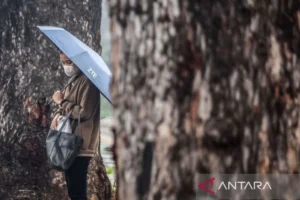
Comprehensive Guide to Volcanic Ash Safety: Essential Protection and Mitigation Measures During Eruptive Events


Volcanic eruptions present formidable natural hazards that extend far beyond the immediate blast zone, frequently blanketing distant regions in layers of abrasive, microscopic rock fragments and toxic gases. As active geological systems continue to threaten densely populated regions across the globe, disaster management agencies and public health organizations emphasize the critical need for structured preparedness. When fine volcanic ash is expelled into the atmosphere, wind currents can transport these mineral particles tens or even hundreds of kilometers away from the crater. The inhalation of these jagged particles can severely compromise human respiratory systems, while direct contact with skin and mucous membranes can cause acute irritation. Consequently, understanding and implementing precise protective measures during and after ashfall events is paramount for safeguarding public health, maintaining community resilience, and minimizing long-term socio-economic disruption.
Understanding the Composition and Health Hazards of Volcanic Ash
To comprehend the necessity of rigorous safety protocols, one must first examine the nature of volcanic ash itself. Unlike organic ash produced by wood or forest fires, volcanic ash is composed of pulverized rock, minerals, and glass shards ranging from microscopic dust to sand-sized grains. Because these particles are hard, highly abrasive, and frequently acidic, their physical and chemical properties present multifaceted threats to human physiology.
When suspended in the air, volcanic ash can easily penetrate the upper and lower respiratory tracts. Fine particles measuring less than 10 micrometers in diameter are particularly hazardous because they can bypass the body’s natural nasal filtration mechanisms and lodge deep within the lungs. This exposure can trigger severe coughing, shortness of breath, and irritation of the throat and bronchial passages. For vulnerable demographic groups—such as young children, the elderly, and individuals with pre-existing respiratory conditions like asthma, chronic bronchitis, or emphysema—even short-term exposure can precipitate life-threatening medical emergencies. Furthermore, sulfur dioxide and other volcanic gases adsorbed onto the surface of the ash particles can react with moisture in the respiratory tract to form weak acids, compounding tissue irritation and worsening chronic pulmonary diseases.
Chronology of an Ashfall Event: From Eruption to Aftermath
A volcanic crisis typically unfolds through a predictable chronology, requiring residents and civil authorities to adapt their responses dynamically. The lifecycle of an ashfall event begins with the initial explosive eruption, which sends a towering plume of ash and gas miles into the stratosphere. Within minutes to hours, prevailing atmospheric winds shear the plume, creating an expansive ash cloud that drifts downwind.
As the cloud passes over populated areas, the heavy particulate matter begins to rain down, severely reducing horizontal visibility and coating infrastructure, vehicles, and vegetation in a suffocating gray mantle. This active ashfall phase can last anywhere from several hours to multiple days, depending on the magnitude of the eruption and the duration of volcanic tremor activity. Following the cessation of direct fallout, communities enter the prolonged recovery and cleanup phase. During this period, settled ash remains a persistent hazard; dry winds or human activities such as sweeping and vehicular traffic can easily resuspend the microscopic particles back into the atmosphere, creating secondary exposure waves that can rival the initial fallout in terms of respiratory danger.
Strict Indoor Containment Protocols
When official meteorological and geological agencies issue ashfall warnings, the primary defensive strategy is immediate shelter-in-place execution, unless authorities have mandated an immediate evacuation of the zone. Citizens should curtail all non-essential outdoor movements and retreat indoors immediately.
To prevent the infiltration of particulate matter into living and working spaces, all exterior doors and windows must be tightly sealed. Gaps beneath doors can be blocked with damp towels or weather-stripping. Furthermore, building occupants should immediately deactivate heating, ventilation, and air conditioning (HVAC) systems, window unit air conditioners, and whole-house fans that draw untreated air from the outside. By isolating the indoor environment, residents create a clean-air refuge that significantly reduces internal airborne concentrations of respirable silica and volcanic glass dust. However, inhabitants must remain vigilant and continuously monitor emergency broadcast systems; if local disaster management teams order an evacuation due to escalating volcanic activity, pyroclastic flows, or structural collapse risks, residents must depart instantly along designated evacuation corridors.
Respiratory Protection: Choosing and Fitting the Right Masks
Inevitably, essential workers, emergency responders, and residents compelled to venture outdoors will encounter airborne ash. Under these high-risk conditions, standard cloth face coverings, surgical masks, or bandanas offer virtually no protection against fine volcanic particulates, as their loose weaves allow microscopic dust to pass freely.
Public health institutions, including the Centers for Disease Control and Prevention (CDC), strongly recommend the use of NIOSH-approved particulate respirators, specifically N95 or higher-grade filtering facepiece respirators. An N95 respirator is engineered to capture at least 95 percent of airborne particles measuring down to 0.3 micrometers in diameter. However, the efficacy of a respirator depends entirely on proper facial fit. A tight seal must be established around the bridge of the nose and the contours of the chin and cheeks. Gaps caused by facial hair, incorrect sizing, or improper adjustment will allow contaminated ambient air to bypass the filter medium entirely. In scenarios where N95 respirators are completely unavailable, standard dust masks may serve as an absolute last resort to capture larger grit, but users must strictly limit their duration of exposure and recognize that respiratory risks remain elevated.
Eye and Skin Protection Measures
The abrasive nature of volcanic ash makes ocular and dermal tissues prime targets for acute irritation. When ash enters the eyes, the sharp mineral and glass fragments can cause severe corneal abrasions, conjunctivitis, and chemical burns resulting from acidic surface coatings. To mitigate these risks, individuals venturing outside must wear wrap-around safety glasses or tightly sealed goggles rather than standard fashion eyewear or contact lenses, which can trap abrasive particles against the cornea and exacerbate damage.
If ash inadvertently enters the eye, individuals must strictly resist the natural urge to rub the area, as friction will grind the jagged particles deeper into sensitive ocular tissues. Instead, eyes should be flushed gently and continuously with clean, sterile water or saline solution. If visual disturbances, persistent pain, or severe redness continues, the affected person must seek immediate professional medical attention.
Similarly, dermal exposure to volcanic ash can provoke contact dermatitis, rashes, and secondary skin infections, particularly when mixed with sweat or moisture. To shield the integumentary system, individuals should don full-coverage attire, including long-sleeved shirts, long trousers, sturdy footwear, and hats. Upon returning indoors, exposed skin should be thoroughly washed with mild soap and water, and contaminated garments should be laundered immediately to prevent prolonged skin contact and the tracking of ash throughout the indoor refuge.
Mitigating Risks for High-Risk and Vulnerable Demographics
Certain segments of the population possess heightened physiological vulnerabilities to volcanic emissions and demand specialized care during eruptive crises. Children, whose respiratory systems are still developing and who have higher resting metabolic and ventilation rates relative to their body mass, inhale greater quantities of pollutants per unit of body weight. Similarly, the elderly often suffer from compromised cardiopulmonary reserves.
Individuals diagnosed with asthma, chronic obstructive pulmonary disease (COPD), ischemic heart disease, or other chronic illnesses must exercise extreme vigilance. For these patients, exposure to volcanic ash and associated sulfurous gases can provoke severe, acute exacerbations of their underlying conditions. Public health officials advise vulnerable individuals to maintain an uninterrupted supply of essential maintenance medications, including rescue inhalers, bronchodilators, and cardiac prescriptions, ensuring they are readily accessible at all times. Elective outdoor tasks must be abandoned indefinitely until official declarations confirm that ambient air quality has returned to safe baseline standards.
Safe Cleaning and Remediation Methodologies
The cleanup of settled volcanic ash is a treacherous undertaking that requires meticulous planning and adherence to safety protocols. Because dry ash is exceptionally light and powdery, aggressive sweeping or shoveling without proper mitigation will instantly resuspend the particles into the breathing zone, creating a severe localized inhalation hazard.
Before initiating cleanup operations, residents must don appropriate personal protective equipment (PPE), including N95 respirators, protective eyewear, gloves, and full coverage clothing. To minimize dust generation, surfaces should be lightly misted with water using a garden hose or spray bottle before removal; however, operators must exercise extreme caution, as excessive water application can transform dry ash into a heavy, slippery sludge or cement-like consistency that overloads drainage systems and structural roofs.
Roof maintenance warrants specialized warning. Volcanic ash is remarkably dense, particularly when saturated with rainwater, adding immense dead load to architectural structures. A mere accumulation of 10 to 15 centimeters of wet ash can exert structural stress sufficient to cause roof collapses, particularly on flat or low-pitch roofs. Consequently, property owners must evaluate roof loads carefully and prioritize safety, utilizing harnesses and stable ladders while strictly adhering to municipal guidelines. If structural integrity is in doubt, professional remediation teams must be summoned.
Transportation Hazards and Road Safety Interventions
The impact of volcanic ash extends comprehensively across transportation networks, creating severe vehicular hazards that paralyze regional mobility. Falling ash drastically reduces horizontal visibility—often mimicking the darkest night conditions in the middle of the day—and coats asphalt surfaces in a slick, highly lubricating film that neutralizes tire traction.
Driving through heavy ashfall is strongly discouraged. Vehicular tires can whip settled ash into dense clouds that obscure traffic signals and blind trailing motorists. Furthermore, fine ash particles are easily drawn into internal combustion engines through air intake systems, clogging air filters, scoring cylinder walls, contaminating lubricating oils, and crippling electronic sensors. Fine particulates can also short-circuit vital electrical components and foul brake assemblies.
If motorists find themselves caught in unexpected ashfall, standard protocols dictate pulling safely off the roadway, turning off the engine, and waiting out the storm with hazard lights illuminated. For essential emergency transport, vehicles must be operated at extremely reduced speeds with headlights on, keeping windows firmly closed and disabling fresh-air ventilation settings to protect the cabin environment.
Safeguarding Water and Food Supplies
Environmental contamination of water resources and food supplies represents a cascading secondary hazard during volcanic events. Open reservoirs, rivers, and municipal water treatment intakes can be overwhelmed or chemically altered by massive influxes of ash, increasing turbidity and introducing heavy metals and acidic compounds.
To prevent gastrointestinal illness and chemical toxicity, citizens must cover all open food containers, pantry stores, and domestic water collection vessels before ashfall commences. Households relying on rainwater catchment systems must immediately disconnect their downspouts to prevent contaminated runoff from entering residential cisterns. If public utilities issue boil-water advisories or if the aesthetic quality of tap water is compromised by particulate matter or sulfur odors, residents must transition entirely to sealed bottled water reserves until municipal testing confirms that the distribution network is once again fully potable.
Official Communication and Emergency Response Integration
In any geological crisis, the ultimate determinant of survival and community recovery is strict adherence to official directives issued by authorized scientific and civil protection bodies. Institutions such as national geological surveys, volcanological observatories, and disaster mitigation agencies employ advanced seismic monitoring, satellite telemetry, and gas-emission tracking to evaluate volcanic behavior in real time.
Citizens must reject unverified rumors circulating on social media and instead tune into authorized emergency broadcast channels. Because volcanic systems are inherently unpredictable, hazard zones, pyroclastic flow boundaries, and evacuation mandates can shift with little warning. Trusting empirical science and complying unconditionally with the instructions of local law enforcement and disaster response units ensures that emergency personnel can execute evacuations and relief operations efficiently, minimizing casualties and preserving community well-being.
Summary of Emergency Action Framework
Mitigating the hazards of volcanic ash requires a disciplined, proactive approach centered on exposure reduction. By systematically sealing indoor environments, deploying certified respiratory and ocular protection, managing vulnerable populations with heightened care, executing careful cleanup procedures, avoiding hazardous transit, and maintaining strict compliance with governmental directives, communities can navigate the perils of volcanic eruptions with maximum resilience and safety.
Related posts: