Los Angeles, CA – April 20, 2026 – Kris Jenner, the matriarch of the renowned Kardashian-Jenner clan, is reportedly "furious" and "unsatisfied" with the rapid decline in the results of a high-profile facelift procedure undertaken last year. The reality television star and businesswoman reportedly invested approximately $100,000 USD, equivalent to roughly 1.7 billion Indonesian Rupiah at the time of the transaction, for a facial rejuvenation surgery performed in 2025. Sources close to Jenner indicate that the expected longevity of the procedure’s effects has fallen far short of her expectations, with the visible benefits beginning to wane less than a year after the surgery.
The 70-year-old Jenner, known for her meticulous attention to personal appearance and her role in curating the image of her famous family, is said to be deeply disappointed that the significant financial outlay has not yielded more enduring results. Reports suggest she is eager to undergo corrective procedures to restore the youthful appearance she sought.
A Quest for Lasting Youth: The Genesis of the Procedure
The initial decision for Jenner to pursue a comprehensive facelift stemmed from a desire to maintain her signature polished look and to feel her best as she continued to navigate the demanding world of celebrity and business. In an interview with Vogue Arabia in August 2025, Jenner candidly discussed her reasons for undergoing the surgery. She revealed that she had previously undergone a facelift approximately 15 years prior and felt it was "time for a refresh."
"I decided to have this facelift because I wanted to be the best version of myself, and it makes me happy," Jenner stated during that interview, emphasizing her belief that aging should not preclude self-care and self-appreciation. "Just because you’re getting older, it doesn’t mean you have to give up on yourself."
Jenner’s perspective on cosmetic procedures has consistently been one of empowerment and personal choice. She articulated that for her, aging gracefully involved actively engaging in treatments that made her feel confident and revitalized. She was also open about her approach, clarifying that while this was her chosen path to aging gracefully, she did not impose this view on others. "If you feel comfortable in your own skin and want to age gracefully, meaning you don’t want to do anything, then don’t do anything. But for me, this is how I age gracefully. This is my version," she explained.
Her willingness to discuss her procedures extended beyond personal comfort; Jenner believed that transparency could inspire others. "I decided to reveal some details because I feel this can be very inspiring to people who are not feeling good about themselves," she said. "Even when I had my hip replacement surgery, we filmed it. I believe that sharing things like this can be beneficial."
The support system around Jenner during this period was also notable. Her daughters reportedly rallied around her, with Kylie Jenner accompanying her to the surgery, and Kim Kardashian providing support via video call.
The $100,000 Investment and Emerging Discontent
The recent facelift, performed by Dr. Steven M. Levine, a surgeon reportedly dubbed a "maestro of facelifts," represented a significant financial commitment. While the exact date of the procedure in 2025 is not publicly specified beyond "last year," the dissatisfaction has surfaced relatively quickly.
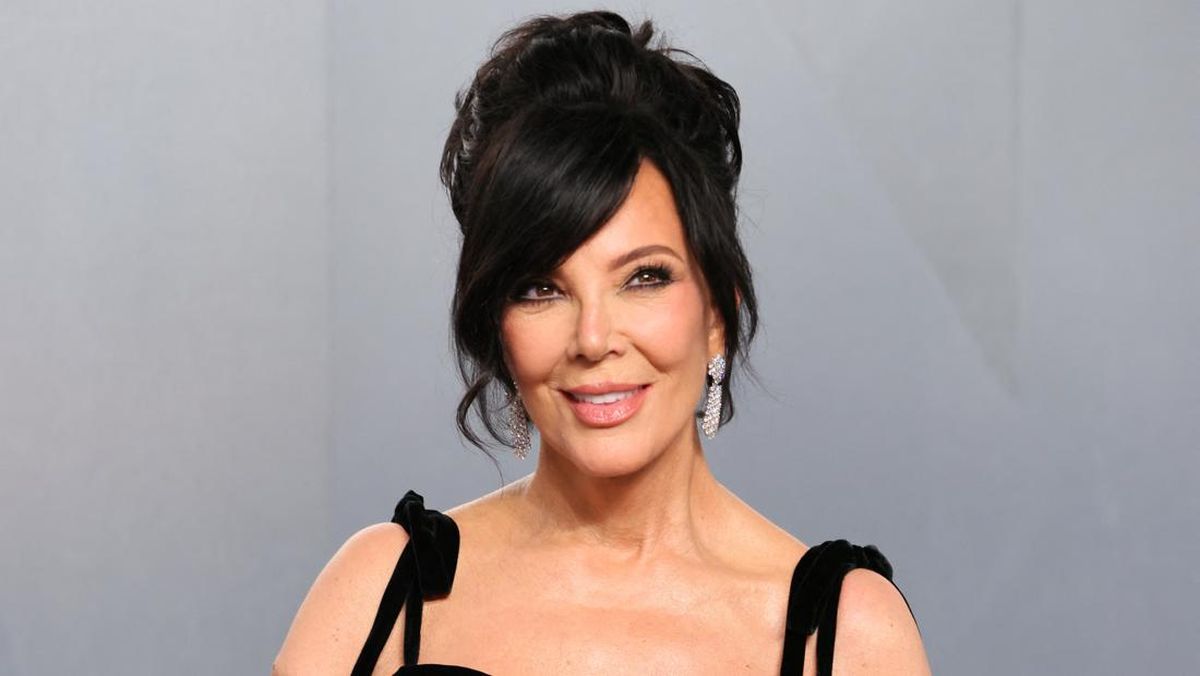
According to a report from Page Six, a source close to Jenner revealed her current state of mind: "She’s not happy with the results and really wants a revision." This sentiment is reportedly amplified by observations of peers. The same source elaborated, "She’s really upset that Denise Richards and Lori Loughlin both look so beautiful. She feels like hers has started to fade in comparison."
The comparison to other celebrities, particularly those who have also undergone similar procedures, appears to be a significant factor in Jenner’s current frustration. The perceived disparity in the longevity and visual appeal of their results has evidently fueled her desire for further intervention.
A Timeline of Rejuvenation and Dissatisfaction
- Circa 2011: Kris Jenner undergoes her first significant facelift, as revealed in her August 2025 interview.
- August 2025: Jenner speaks with Vogue Arabia, discussing her decision to have a refresh facelift, emphasizing self-care and personal choice. She also indicates her openness to sharing details about her procedures for inspiration.
- Undisclosed Date in 2025: Jenner undergoes a $100,000 facelift procedure with Dr. Steven M. Levine. Her daughters offer support during this time.
- Early 2026 (Approx. 6-9 months post-procedure): Jenner begins to express dissatisfaction with the results, noting that the effects are fading faster than anticipated.
- April 18, 2026: Page Six reports on Jenner’s alleged frustration and desire for a revision, citing sources who also mention comparisons to other celebrities.
- April 20, 2026: CNN Indonesia publishes its report, detailing Jenner’s discontent and the financial aspect of the procedure.
The Economics of Celebrity Aging
The financial investment in cosmetic procedures among celebrities is a well-documented phenomenon. A $100,000 facelift is at the higher end of the spectrum, typically involving advanced techniques, extensive surgical work, and potentially a longer recovery period. These procedures often aim to address significant signs of aging, such as sagging skin, deep wrinkles, and loss of facial volume. The cost reflects the surgeon’s expertise, the complexity of the procedure, the facility fees, and post-operative care.
The expectation for such a substantial investment is, naturally, a noticeable and lasting transformation. When these results begin to diminish prematurely, it can lead to considerable disappointment, not only due to the financial loss but also the emotional toll of not achieving the desired outcome.
Broader Implications and Industry Context
Jenner’s reported frustration highlights a common concern within the cosmetic surgery industry: the variability in results and longevity. While surgical techniques have advanced considerably, individual healing processes, lifestyle factors (such as sun exposure, diet, and stress), and the natural aging process itself continue to influence the long-term appearance of surgical outcomes.
The desire for continuous rejuvenation in the public eye, particularly for individuals like Jenner whose careers are closely tied to their image, can create a cycle of procedures. The pressure to maintain a youthful appearance in Hollywood and among social media influencers is immense. This can lead to individuals seeking increasingly complex or frequent interventions, sometimes at considerable personal and financial cost.
The reactions of other public figures, such as Denise Richards and Lori Loughlin, whom Jenner reportedly compares herself to, underscore the competitive nature of celebrity aesthetics. While the details of their respective procedures are not public, their perceived successful outcomes have evidently influenced Jenner’s feelings about her own.
Future Outlook for Kris Jenner
It remains to be seen whether Kris Jenner will proceed with a revision surgery. If she does, it will likely be another high-profile event, scrutinized by fans and the media. Her continued openness about her cosmetic journey, however, suggests she may once again choose to share her experiences, potentially offering further insights into the realities of advanced facial rejuvenation and the ongoing quest for enduring youth in the public sphere. The situation serves as a reminder that even with significant financial resources and access to top surgeons, the pursuit of aesthetic perfection is a complex and often unpredictable endeavor.