The All-New Honda Vario 125: A Deeper Dive into Honda’s Latest 125cc Automatic Scooter Innovation

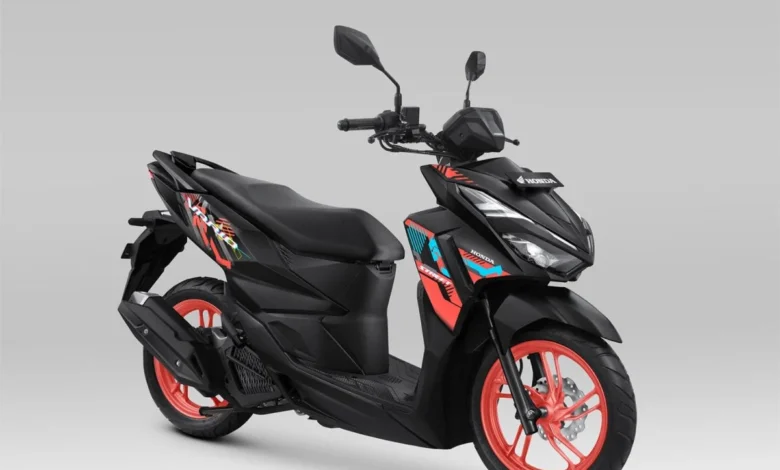
The Indonesian automotive market has once again been energized by the official introduction of the All-New Honda Vario 125, marking a significant evolution in Honda’s highly popular 125cc automatic scooter segment. This latest iteration arrives with a suite of upgrades designed to enhance its appeal, focusing on a more modern and aggressive aesthetic, advanced features, and updated lighting technology. Despite its recent launch, the Vario 125’s established reputation for fuel efficiency, responsive performance, and user-friendly handling continues to solidify its position as a go-to choice for daily commuting. This comprehensive review delves into the specifications, features, and pricing of the All-New Honda Vario 125, providing potential buyers with detailed information to aid their purchasing decisions.
A Bold Evolution in Design and Lighting
The All-New Honda Vario 125 immediately distinguishes itself with a revamped lighting system that exudes a sportier and more contemporary feel. While retaining its signature V-shaped headlight silhouette, the new model incorporates the latest generation of LED technology. This advancement translates to a broader and more potent illumination, significantly improving visibility during night rides and in challenging weather conditions. The enhanced light throw not only contributes to a more assertive visual presence but also boosts rider safety by offering a clearer view of the road ahead.
The aesthetic enhancements extend to the instrument cluster, which has been redesigned to be more dynamic and visually engaging. The new panel meter features a fresh graphic design that imparts a sense of modernity and reinforces the scooter’s sporty character. This updated display provides riders with readily accessible information in an attractive and easy-to-read format, contributing to a more refined user experience.
Introducing the Distinctive Vario 125 Street Variant
A notable development with this generation of the Vario 125 is the introduction of a dedicated "Street" variant. This new model aims to capture a segment of the market seeking a more personalized and distinct identity. The Vario 125 Street differentiates itself through the adoption of a naked handlebar setup and a split panel meter design, lending it a more exposed and aggressive stance. Complementing these design choices are bolder color options for the wheels, further emphasizing its unique character and setting it apart from its more conventional counterparts. This move by Honda signals an understanding of consumer desires for customization and individuality within the scooter segment.
Functional Upgrades for Enhanced Daily Utility
Recognizing its primary role as a daily commuter, Honda has equipped the All-New Vario 125 with a range of practical and modern features. A key addition is the USB charger Type-C, conveniently located to allow riders to power their electronic devices on the go. This feature addresses the growing reliance on smartphones and other gadgets for navigation, communication, and entertainment, ensuring riders can stay connected.
Furthermore, the front console box has been enlarged, offering increased storage capacity and greater convenience for carrying personal belongings, groceries, or other essentials. This practical enhancement underscores Honda’s commitment to making the Vario 125 a truly versatile and user-friendly machine for everyday tasks.
Proven Performance: Efficiency Meets Responsiveness
At its core, the All-New Honda Vario 125 continues to be powered by its reliable 125cc liquid-cooled engine, featuring Honda’s acclaimed eSP (enhanced Smart Power) technology. This powertrain configuration is renowned for delivering a harmonious balance of brisk acceleration and exceptional fuel economy. Honda claims an impressive fuel consumption rate of up to 51.7 kilometers per liter, a figure that places it among the most efficient scooters in its class. This commitment to fuel efficiency is a significant draw for cost-conscious consumers and contributes to a lower environmental footprint.
The scooter also boasts a substantial 18-liter under-seat storage compartment, providing ample space for helmets, bags, or other items, further enhancing its practicality for daily use.
The full digital instrument panel provides riders with comprehensive information, including speed, odometer readings, fuel level, a digital clock, and a battery voltage indicator. Additional features like the oil change reminder, trip meters, and indicators for the Idling Stop System (ISS) and Smart Key system (on CBS-ISS and Street variants) offer riders a wealth of data and advanced functionality at their fingertips. The Smart Key system, in particular, enhances convenience and security by allowing keyless ignition and remote operation of features.
Enhanced Stability and Braking Performance
Honda has also paid close attention to the Vario 125’s chassis and suspension to improve ride comfort and stability. The scooter is fitted with wider tires – 90/80 for the front and 100/80 for the rear – mounted on stylish, sporty wheels. This wider tire profile generally translates to improved grip and a more planted feel on the road.
For braking, the All-New Vario 125 is equipped with Wavy Disc Brakes. These are paired with Honda’s Combi Brake System (CBS), which distributes braking force between the front and rear wheels. This integration aims to provide more effective and balanced braking, enhancing rider confidence and safety, particularly during emergency stops. The Wavy Disc design not only contributes to a sportier aesthetic but can also offer improved heat dissipation compared to conventional discs.
Pricing and Market Positioning
Honda has strategically priced the All-New Vario 125 to maintain its competitive edge in the Indonesian market. For the Jakarta region, the standard CBS variant is priced at Rp 24,410,000. The CBS-ISS variant, which includes the Idling Stop System and Smart Key functionality, is offered at Rp 26,065,000. The premium Street variant, with its distinctive styling and features, commands a price of Rp 26,499,000. These price points position the Vario 125 as an accessible yet feature-rich option within the 125cc scooter segment, catering to a broad spectrum of consumers.
Context and Market Significance
The introduction of the All-New Honda Vario 125 comes at a time when the automatic scooter segment remains a dominant force in the Indonesian two-wheeler market. Scooters, particularly those in the 110cc to 150cc category, are favored for their ease of use, practicality for urban environments, and fuel efficiency. Honda, with its extensive dealer network and strong brand loyalty, has consistently been a leading player in this segment with its Vario and BeAT series.
The Vario 125, specifically, has carved out a significant niche by offering a blend of performance, economy, and modern features that appeal to a wide demographic, from young professionals to families. The recent upgrades reflect Honda’s strategy of continuous product improvement to meet evolving consumer demands and to maintain its market leadership against a backdrop of increasing competition. The introduction of the Street variant is a particularly interesting strategic move, signaling Honda’s intent to diversify its offerings and appeal to riders who value distinct styling and personalization.
Historically, the Vario line has been a benchmark for innovation in Honda’s local offerings. Each generation has seen improvements in engine technology, design, and features, often setting trends for competitors. The eSP engine technology, for instance, was a significant leap forward in fuel efficiency and smoother performance when it was first introduced. The current iteration builds upon this legacy, incorporating LED lighting and connectivity features that are now considered standard expectations in the premium commuter segment.
The competitive landscape in Indonesia’s 125cc scooter market includes offerings from other major manufacturers, such as Yamaha’s Lexi and Aerox series, and Suzuki’s Address. Honda’s strategy with the Vario 125 appears to be focused on reinforcing its strengths in fuel economy and everyday practicality, while simultaneously injecting more modern design elements and technological conveniences to appeal to a younger, more tech-savvy demographic. The pricing strategy also suggests a tiered approach, offering a base model for budget-conscious buyers and higher-spec variants for those seeking advanced features and a more premium experience.
Broader Implications and Future Outlook
The successful launch and market reception of the All-New Honda Vario 125 will likely have several implications for the broader Indonesian automotive industry. Firstly, it reinforces the ongoing trend towards electrification and smarter features in two-wheelers, even within the traditional internal combustion engine segment. The integration of USB Type-C charging, for example, highlights the increasing importance of device connectivity for riders.
Secondly, Honda’s introduction of a distinct "Street" variant could encourage other manufacturers to explore more niche or lifestyle-oriented models within their scooter lineups. This could lead to greater product diversification and more choices for consumers seeking scooters that align with their personal style and preferences.
The continued emphasis on fuel efficiency in the Vario 125 also underscores the enduring appeal of economical transportation in a market where fuel costs remain a significant consideration for many riders. While the industry is gradually shifting towards electric vehicles, the demand for efficient and affordable petrol-powered scooters is expected to remain strong for the foreseeable future, especially in markets like Indonesia where infrastructure for electric mobility is still developing.
Honda’s commitment to continuous improvement, as demonstrated by the All-New Vario 125, is crucial for maintaining its market dominance. The company’s ability to adapt to changing consumer tastes, incorporate new technologies, and offer competitive pricing will be key factors in its ongoing success. As riders increasingly seek not just reliable transportation but also style, connectivity, and enhanced riding experiences, Honda’s strategic updates to its popular models like the Vario 125 are indicative of its forward-looking approach to the evolving mobility landscape. The positive reception of these upgrades will undoubtedly pave the way for future innovations in Honda’s extensive product portfolio.