Transmart’s Full Day Sale Ignites Consumer Electronics Market with Deep Discounts, Driving Foot Traffic and Digital Transactions Across Indonesia


Jakarta, Indonesia — On Sunday, July 19th, Transmart, one of Indonesia’s leading hypermarket chains, orchestrated a massive "Full Day Sale" event that sent ripples of excitement through the consumer electronics market. The nationwide promotion offered staggering discounts, particularly on air conditioners (ACs) and televisions, making high-demand household appliances significantly more accessible to a wide consumer base. This strategic sales event, characteristic of Transmart’s aggressive promotional calendar, aimed to stimulate consumer spending and reinforce its position in the highly competitive Indonesian retail landscape, leveraging exclusive payment partnerships to maximize its impact.
The core of the Transmart Full Day Sale revolved around a compelling dual-discount structure: an initial substantial markdown, further augmented by an additional percentage off when transactions were made using specific financial partners – Allo Bank or Bank Mega/Bank Mega Syariah credit cards. This layered discount strategy effectively slashed prices by millions of rupiah, particularly on big-ticket items, drawing considerable attention from value-seeking shoppers across the archipelago. The promotion was meticulously timed, running from the moment stores opened their doors until 10:00 PM local time, creating a sense of urgency and exclusivity for the one-day event.
Unprecedented Savings on High-Demand Appliances
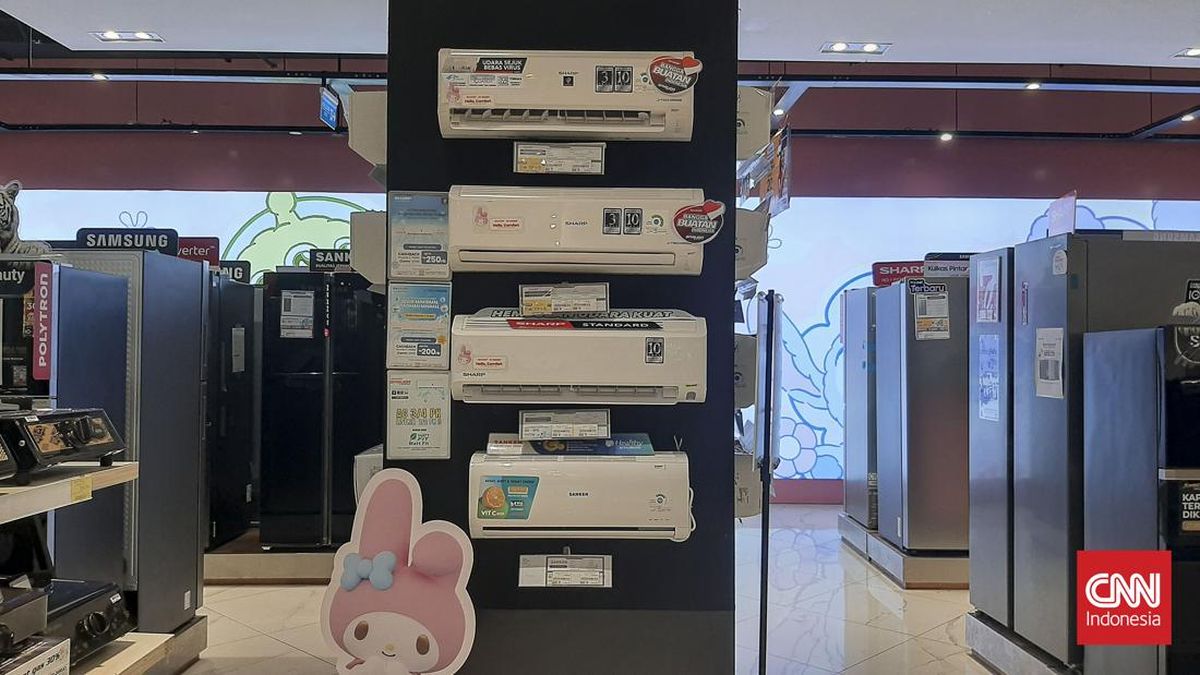
Among the most sought-after items during the Full Day Sale were air conditioners and large-screen televisions, categories that consistently rank high on Indonesian household wish lists due to the country’s tropical climate and growing demand for home entertainment. For instance, a Sharp AC Split 1 PK, originally priced at Rp5,759,000, was available for an astonishing Rp4,015,200 per unit after applying the combined discounts. This offer was further sweetened with the inclusion of free pipe brackets for installation, adding tangible value for consumers planning an upgrade or new purchase.
Similarly, the television segment saw remarkable price reductions. A Samsung LED 65" UHD Smart TV, typically retailing from Rp11,299,000, became available from Rp7,999,200 per unit. Such discounts on premium, large-format smart TVs reflect a broader trend in Indonesia where consumers are increasingly opting for advanced home entertainment systems, driving demand for larger screens and smart functionalities. Beyond ACs and TVs, the sale extended its generous discounts to other essential home electronics, including washing machines and refrigerators, ensuring a comprehensive appeal to households looking to upgrade or replace various appliances. These categories are perennial drivers of retail sales, with consumers often waiting for significant promotional events to make such substantial purchases.
Strategic Payment Partnerships: A Gateway to Deeper Discounts
A critical component of Transmart’s Full Day Sale strategy was its exclusive partnership with Allo Bank and Bank Mega/Bank Mega Syariah. To unlock the maximum advertised discounts, customers were required to complete their transactions using these specific payment methods. This approach served a dual purpose: it offered an immediate, tangible benefit to consumers while simultaneously driving customer acquisition and increased transaction volume for the partner banks.
For customers not yet affiliated with these financial institutions, Transmart provided convenient on-site solutions. Individuals could download the Allo Bank application on their mobile phones via the App Store or Google Play Store and instantly upgrade their registered accounts to Allo Prime to qualify for the discounts. Similarly, prospective customers could apply for a Bank Mega or Mega Syariah credit card directly at Transmart outlets, often with instant approval processes, allowing them to utilize the card for immediate purchases and benefit from the ongoing promotion. This seamless integration of payment solutions at the point of sale underscored a growing trend in Indonesian retail, where retailers and financial institutions collaborate closely to enhance the shopping experience and foster loyalty. The maximum purchase limit of two pieces per product category was also imposed to ensure fair access to the limited-time offers and prevent bulk buying by resellers.
Background and Context: Transmart’s Retail Footprint in Indonesia
Transmart, part of the formidable CT Corp conglomerate founded by Indonesian tycoon Chairul Tanjung, has established itself as a significant player in the country’s modern retail landscape. Operating numerous hypermarket outlets across major cities, Transmart offers a diverse range of products, from groceries and fresh produce to clothing, household goods, and a comprehensive selection of electronics. Its business model often combines a hypermarket experience with lifestyle elements, including dining areas and entertainment zones, aiming to provide a holistic shopping destination.
The "Full Day Sale" concept is not new to Transmart; it has become a signature promotional event, often held on weekends or national holidays, designed to create a buzz and draw massive foot traffic. These sales are strategically crucial for Transmart, allowing it to clear inventory, boost quarterly sales figures, and compete effectively against other hypermarket chains and burgeoning e-commerce platforms. In an environment where Indonesian consumers are increasingly price-sensitive yet demand value and convenience, such events are vital for maintaining market share and fostering customer loyalty. The choice of July 19th for this particular sale might also align with mid-year sales targets or pre-holiday purchasing cycles, tapping into periods of increased consumer willingness to spend on durable goods.
The Dynamic Indonesian Consumer Electronics Market
Indonesia’s consumer electronics market is one of the largest and most dynamic in Southeast Asia, driven by a rapidly growing middle class, increasing disposable incomes, and a youthful, tech-savvy population. The market has demonstrated robust growth, with a Compound Annual Growth Rate (CAGR) projected to remain strong in the coming years. In 2023, the market size for consumer electronics in Indonesia was estimated to be significant, with projections indicating continued expansion. Key drivers include:
- Urbanization: The ongoing migration to urban centers fuels demand for modern home appliances and entertainment systems.
- Rising Disposable Income: As incomes grow, more households can afford to upgrade their existing appliances or purchase new ones.
- Technological Advancement: Rapid innovation in products like smart TVs, energy-efficient ACs, and connected home appliances constantly tempts consumers to upgrade.
- Replacement Cycles: Appliances naturally have a lifespan, and promotional events like Transmart’s sale often coincide with consumers’ readiness to replace aging units.
- Government Initiatives: Policies supporting domestic manufacturing and consumption can also indirectly boost sales.
Specifically, the demand for air conditioners in Indonesia is consistently high, given the tropical climate. Market research indicates that AC sales typically peak during the hotter months and during major promotional events. Similarly, the television market has seen a shift towards larger screens and smart capabilities, with consumers increasingly using TVs for streaming services, gaming, and internet browsing, rather than just traditional broadcast media. This shift drives the replacement cycle, with households upgrading from older, smaller models to contemporary smart TVs.
Economic Implications and Consumer Behavior
Promotional events like the Transmart Full Day Sale have several significant economic implications. Firstly, they act as a potent catalyst for consumer spending, injecting liquidity into the retail sector and contributing to the national GDP. For consumers, such deep discounts represent a substantial saving, allowing them to acquire high-value goods that might otherwise be beyond their immediate budget. This can improve the quality of life for households, whether through enhanced comfort from a new AC or improved entertainment options from a state-of-the-art TV.
Secondly, the strategy of leveraging specific payment partners demonstrates the increasing importance of financial technology (fintech) and digital payments in modern retail. By incentivizing the use of Allo Bank and Bank Mega cards, Transmart not only drives sales but also contributes to the broader financial inclusion agenda, encouraging more Indonesians to adopt digital banking and cashless transactions. This aligns with Bank Indonesia’s efforts to promote a digital economy. The competitive pricing also puts pressure on rival retailers, potentially leading to a broader market trend of promotional activities, which ultimately benefits consumers.
From a psychological perspective, "full day sales" and "limited-time offers" capitalize on consumer FOMO (Fear Of Missing Out) and the perception of immediate value. The double-discount mechanism is particularly effective, as it gives consumers a sense of maximizing their savings. The excitement generated around these events often leads to impulse purchases, even for items not initially on a shopper’s list, further boosting overall sales figures.
Statements and Industry Reactions (Inferred)
While specific official statements regarding this particular July 19th event were not extensively detailed in the original brief, it is possible to infer typical reactions from involved parties:
Transmart Management: "Our Full Day Sale events are meticulously planned to offer unparalleled value, making essential household upgrades more accessible than ever for Indonesian families. This particular event, with its exceptional discounts on ACs and TVs, underscores our commitment to providing quality products at competitive prices, especially when coupled with the convenience and benefits of our financial partners. We are confident that these initiatives not only drive significant sales but also strengthen our bond with loyal customers and attract new ones."
Allo Bank / Bank Mega Representatives: "These exclusive discounts offered in collaboration with Transmart highlight the synergy between retail and financial services. By providing attractive incentives for our cardholders and new customers, we aim to enhance the shopping experience, drive digital payment adoption, and reward our users with tangible savings. Our easy on-site application process for credit cards and instant upgrades for Allo Bank accounts demonstrate our dedication to seamless customer service and making these benefits immediately accessible."
Retail Industry Analysts: "In a highly competitive market like Indonesia, aggressive promotional strategies coupled with robust payment partnerships are crucial for market share growth and customer retention. Transmart’s Full Day Sale exemplifies a well-executed strategy that taps into consumer demand for value, particularly for high-ticket electronics. Such events not only boost short-term sales but also contribute to brand visibility and customer loyalty, especially in the post-pandemic recovery period where consumers are more discerning with their spending."
Broader Impact and Future Outlook
The success of Transmart’s Full Day Sale events has broader implications for the Indonesian retail sector. It reinforces the idea that brick-and-mortar stores, when coupled with innovative promotional strategies and strong financial partnerships, can continue to thrive amidst the rise of e-commerce. While online sales continue to grow, the physical hypermarket experience, complete with instant gratification of purchase and immediate product inspection, still holds significant appeal for many consumers, especially for large appliances.
Looking ahead, the trend of integrated promotions with digital payment solutions is likely to intensify. Retailers will continue to seek out strategic alliances with banks and fintech companies to offer exclusive deals, driving customer engagement and enhancing the overall shopping ecosystem. The focus will remain on delivering exceptional value, convenience, and a seamless transactional experience. For consumers, this means more opportunities to save on essential and desirable products, further stimulating the economy through sustained purchasing power. The challenge for retailers like Transmart will be to maintain the novelty and excitement of such sales, ensuring they remain compelling without diluting brand perception or creating unsustainable discount expectations. This balance is key to long-term success in Indonesia’s vibrant and evolving retail landscape.
The July 19th Transmart Full Day Sale served as a clear indicator of the strong consumer demand for electronics and the effectiveness of well-orchestrated promotional campaigns. It underscored Transmart’s strategic prowess in leveraging partnerships and understanding consumer behavior to deliver impactful retail experiences, leaving a positive mark on both its balance sheet and the wallets of Indonesian shoppers.
Related posts: