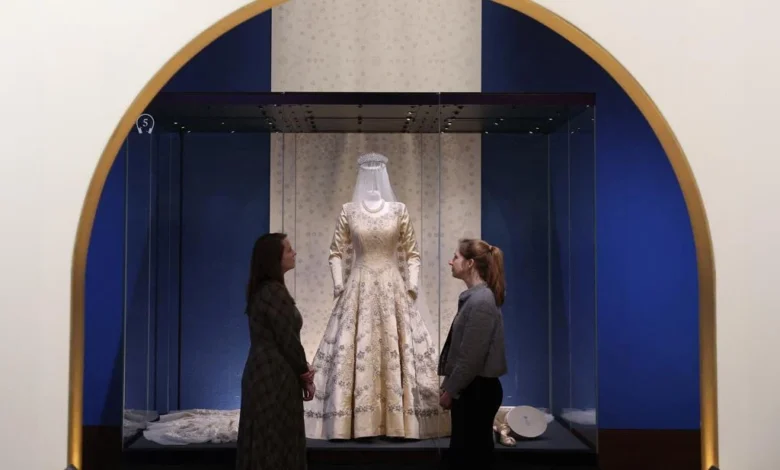
London, England – As the world prepares to commemorate the 100th birthday of Queen Elizabeth II on April 21st, the Royal Collection Trust is set to unveil its most extensive fashion exhibition to date, offering an unprecedented glimpse into the personal wardrobe of Britain’s longest-reigning monarch. Titled "Queen Elizabeth II: Her Life in Style," the exhibition will be hosted at The Queen’s Gallery, Buckingham Palace, from April 10th to October 18th, 2026. This landmark event promises to be the largest exhibition ever dedicated to the sartorial journey of the late Queen, charting her life through approximately 300 garments, accessories, and design sketches, many of which have never been publicly displayed before.
The exhibition will meticulously trace the evolution of Queen Elizabeth II’s style across various significant periods of her life, from her early years as a child and adolescent, through her time as a princess, and culminating in her ascension to the throne and decades of dedicated service as Queen. The collection aims to illustrate not only the aesthetic progression of her fashion choices but also the profound role clothing played in her public duties and diplomatic engagements.
A Life in Couture: Tracing the Queen’s Sartorial Journey
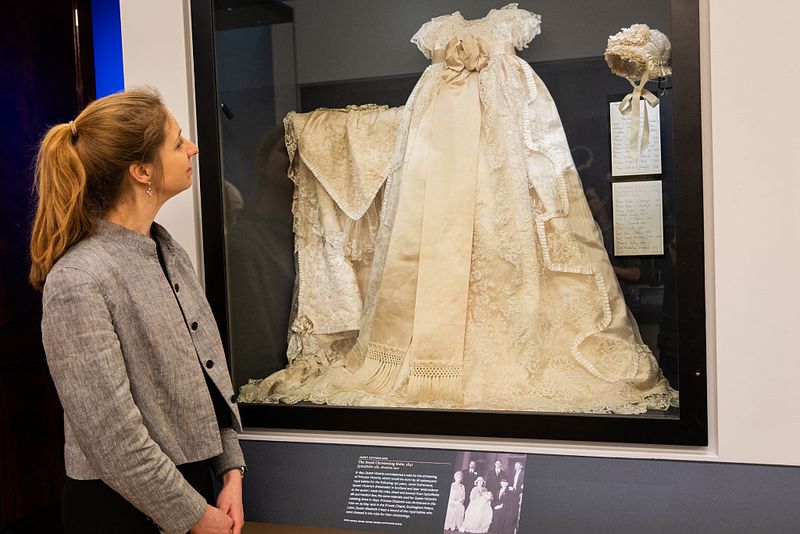
The narrative of "Queen Elizabeth II: Her Life in Style" begins with the Queen’s earliest sartorial moments. A particularly poignant inclusion is the Royal Christening Robe, designed by Janet Sutherland in 1841. This historic garment, worn by the Queen at her own baptism in May 1926, has been passed down through generations of the Royal Family. Its inclusion marks the first time this heirloom, a symbol of continuity and royal tradition, will be displayed to the public.
"As the first garment worn by the Queen, as well as by many royal babies before and since, this dress holds a special place in her personal collection. We are delighted to be able to share it with as many people as possible in this centenary year," stated Caroline de Guitaut, the exhibition’s curator, in an official release. The robe’s intricate craftsmanship and historical significance underscore the exhibition’s commitment to showcasing deeply personal and historically rich pieces.
Early Years and Princess to Queen
The exhibition will delve into the Queen’s formative years, showcasing ensembles that reflect the fashion of the times and her developing personal style. This section will highlight the transition from a young princess to a monarch preparing to ascend the throne. Visitors will witness the subtle yet significant shifts in her attire as she embraced her destiny.
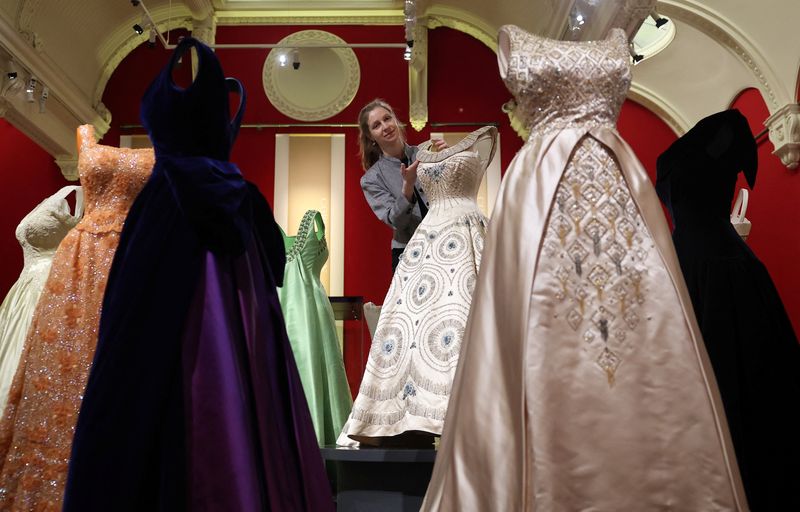
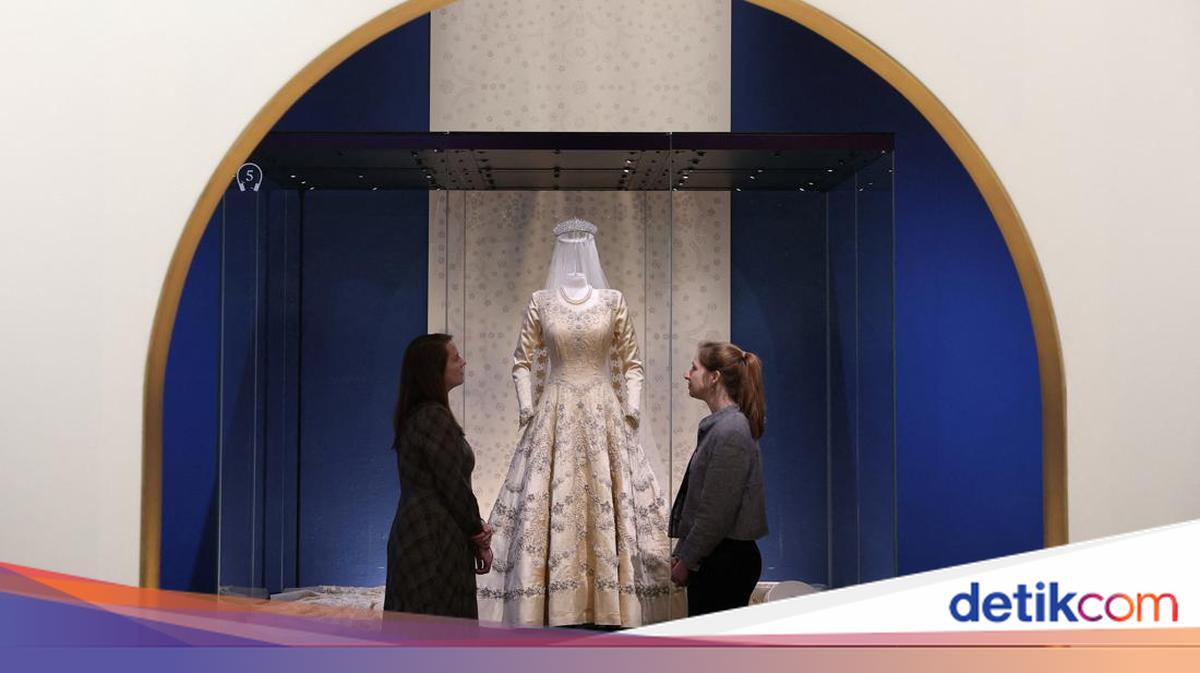
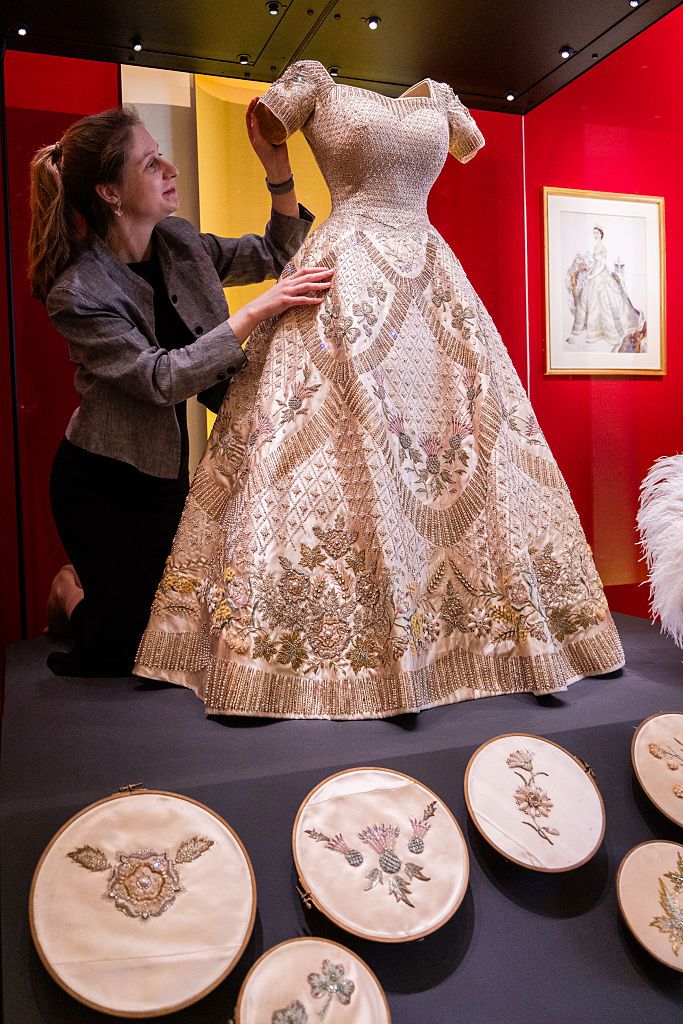
The period leading up to and immediately following her coronation in 1953 will be a focal point. The exhibition will feature the iconic Coronation Dress, a masterpiece designed by Sir Norman Hartnell. Crafted from white silk produced in Kent, the gown is a testament to exquisite artistry, adorned with intricate embroidery featuring gold thread, crystals, and pearls. Its symbolic significance is immense, incorporating floral emblems representing the four nations of the United Kingdom – the Tudor rose of England, the thistle of Scotland, the leek of Wales, and the shamrock of Ireland. In a testament to the Queen’s vision for a modern Commonwealth, Hartnell also incorporated symbols of Commonwealth nations, such as the Canadian maple leaf and the Indian lotus flower, at the Queen’s direct request. This detail highlights her early commitment to fostering unity and representation within the Commonwealth.
Fashion as Diplomacy: The Queen’s Wardrobe as a Political Tool
Beyond mere aesthetics, Queen Elizabeth II masterfully utilized her wardrobe as an instrument of subtle yet effective diplomacy. Her public appearances were meticulously planned, with her attire often conveying messages of respect, understanding, and solidarity with host nations.
Landmark Diplomatic Ensembles
A prime example of this sartorial diplomacy was showcased during her state visit to Pakistan in 1961, nine years after her coronation. At a formal banquet in Islamabad, the Queen captivated attendees in an elegant white duchesse satin gown. Designer Norman Hartnell ingeniously incorporated a green accent on the straps, a direct homage to the national colour of Pakistan, mirroring the hues of its flag. This thoughtful detail demonstrated a keen awareness of cultural nuances and a desire to forge stronger bilateral ties through respectful sartorial choices.
Similarly, during her visit to Japan in 1975, the Queen wore a striking blue gown embellished with appliquéd cherry blossoms on the sleeves and skirt. The cherry blossom, or sakura, is a potent symbol of Japan, and its incorporation into her attire conveyed a profound appreciation for Japanese culture and a desire to connect with its people on a deeper level. These instances underscore the Queen’s understanding that fashion could transcend language barriers and foster goodwill on the international stage.
The Unseen Details: Accessories, Sketches, and Personal Touches
"Queen Elizabeth II: Her Life in Style" will not be limited to just the grand gowns. The exhibition will offer a comprehensive look at the Queen’s personal style by including approximately 300 items, encompassing a wide array of clothing, accessories, and design sketches. Many of these items have never been exhibited before, providing a rare opportunity for the public to engage with the Queen’s personal aesthetic on an intimate level.
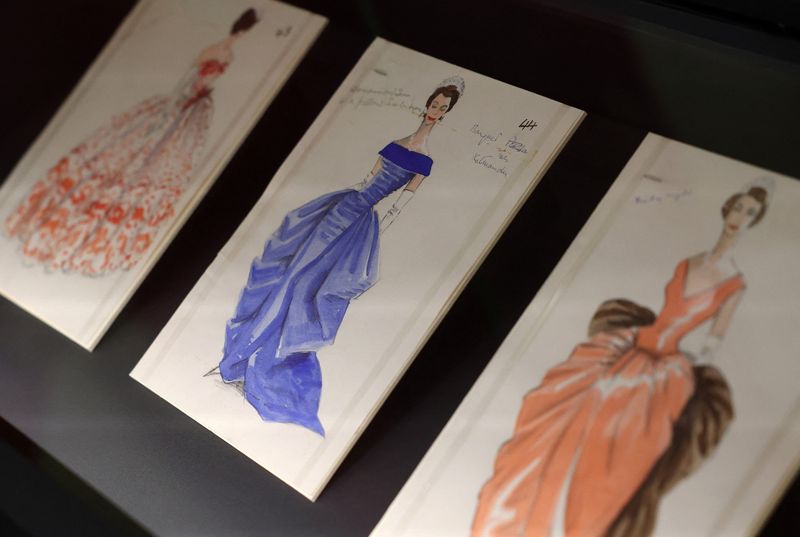
The inclusion of design sketches by renowned couturiers such as Norman Hartnell will offer visitors an insight into the creative process behind many of the Queen’s most memorable outfits. These sketches reveal the meticulous planning and artistic vision that went into each creation, showcasing the collaborative effort between the monarch and her designers.
The Significance of Hats and Colour
Hats were an indispensable element of the Queen’s daytime ensembles. The exhibition will feature a selection of her iconic headwear, typically designed with wide brims or in styles that did not obscure her face, allowing for clear interaction with the public. Her preference for vibrant colours, often seen as a deliberate choice to stand out amidst large crowds, will also be explored. This practical consideration ensured she remained visible and approachable during her numerous public engagements.
As historian Ben Pimlott, a former staff member and biographer of the Queen, noted in an interview with The New Yorker, the Queen’s clothing choices were often guided by practicality. He stated, "Her considerations were more about practicality. The Queen simply wanted to wear clothes that were comfortable and not too expensive, so as not to cause controversy." This pragmatic approach, combined with her innate sense of style, defined her public image.
Enduring Influence: A Legacy in Fashion
The Queen’s distinctive and elegant style, both in formal settings and during more relaxed moments, has left an indelible mark on the world of fashion. Her influence continues to resonate today, inspiring contemporary designers such as Miuccia Prada, Alessandro Michele, Erdem Moralioglu, and Richard Quinn. These designers, through their collections, often pay homage to the Queen’s enduring sense of elegance and her ability to command attention through understated yet powerful sartorial choices.
The exhibition serves as more than just a retrospective of a royal wardrobe; it is an invitation to explore the evolution of a monarch’s style, the strategic use of fashion as a diplomatic tool, and the enduring legacy of a woman who understood the power of presentation in shaping identity, fostering international relations, and preserving cultural heritage. "Queen Elizabeth II: Her Life in Style" promises to be a captivating journey through a century of fashion, diplomacy, and unwavering dedication, offering a unique perspective on one of the 20th and 21st centuries’ most iconic figures. The sheer scale and depth of the collection underscore the profound impact Queen Elizabeth II had, not only on the United Kingdom and the Commonwealth but also on the global stage of fashion and diplomacy.
Related posts: