Navigating Childhood Shyness: Expert Strategies and Psychological Insights to Help Introverted Children Thrive in Social Environments


Parents worldwide frequently grapple with a common yet deeply concerning developmental hurdle: managing and supporting a naturally shy child. In an increasingly interconnected and social society, the fear that a child’s introverted nature or social apprehension might hinder their ability to build meaningful friendships, succeed academically, and navigate daily interactions keeps many caregivers awake at night. This pervasive parental anxiety has driven millions of families to scour social media platforms, consult child development literature, and seek out professional pediatric guidance in search of effective solutions to "fix" or overcome childhood shyness.
However, recent findings and clinical insights from leading pediatric institutions offer a radically different perspective. According to developmental experts and child psychologists at the prestigious Children’s Hospital of Philadelphia (CHOP), shyness is fundamentally not a personality defect or a pathological flaw that requires immediate correction. Instead, clinical specialists emphasize that shyness is a completely normal, natural component of social and emotional development in children. While some children are naturally bold and eager to dive into group settings, others simply require significantly more time to process their environment, adapt to novel stimuli, and feel psychologically secure enough to interact comfortably with peers.
Understanding the distinction between a pathological anxiety disorder and normal developmental introversion is critical for modern parents. Pediatric researchers note that pushing children too aggressively out of their comfort zones can often backfire, heightening their social anxiety rather than curing it. Consequently, experts recommend a balanced, gradual approach that respects a child’s internal pace while gently equipping them with the practical social tools they need to flourish.
The Evolutionary and Psychological Context of Childhood Shyness
To fully understand why children experience shyness, child psychologists look toward both evolutionary biology and temperamental science. Temperament—the innate traits that dictate how a child behaves and reacts to the world around them—is largely hardwired from birth. Approximately 15 to 20 percent of children are born with what researchers term a "inhibited temperament." These children display heightened physiological reactivity to unfamiliar people, places, and situations. When placed in a new social setting, their nervous systems activate a mild fight-or-flight response, leading to hesitation, silence, and a desire to cling to parental figures.
Historically, this cautious approach served an evolutionary purpose. Children who hesitated before approaching unknown entities or groups were often protected from potential environmental dangers. In contemporary society, however, this cautious biological wiring is frequently mislabeled as a social deficiency. Modern educational and social environments often prioritize extroversion, group collaboration, and rapid verbal engagement, leaving shy children feeling overwhelmed or inadequate. Recognizing this background context allows parents to reframe their objectives: the goal is not to transform an introverted child into an extrovert, but rather to help them build resilience and self-efficacy within their own comfort zone.
Practical, Evidence-Based Frameworks for Supporting Shy Children
While shyness is a natural developmental phase, parents do not need to remain entirely passive. Implementing structured, low-pressure strategies at home can dramatically accelerate a child’s social confidence. Child development specialists recommend a comprehensive, multi-step framework designed to ease children into social integration without triggering overwhelming anxiety.
1. Pre-Event Preparation and Environmental Familiarization
Unpredictability is a primary catalyst for childhood anxiety. When children do not know what to expect, their imagination often fills in the gaps with catastrophic scenarios. Parents can mitigate this by engaging in thorough preparation before visiting unfamiliar locations, such as a public park, a birthday party, or a new school.
Before arriving at the destination, parents should outline the upcoming experience in clear, reassuring detail. This preparation includes highlighting specific fun activities available at the venue, explaining who will be present and what environmental stimuli they might encounter, and brainstorming gentle strategies for how the child might eventually approach peers. Upon arrival, it is vital that parents respect the child’s pacing. Children who require extensive adaptation time should be permitted to take a preliminary walk around the perimeter with a parent, observing the dynamics of the playground from a safe distance before committing to direct participation.
2. Low-Stakes Social Rehearsal and Role-Playing
Interacting with unfamiliar peers can feel profoundly intimidating to a shy child. To build competence and reduce performance anxiety, parents can facilitate low-stakes social rehearsals within the safety of the home or during controlled playdates with close family friends and relatives.
When a child exhibits a spark of interest in another peer, parents can act as conversational facilitators. Initiating a dialogue with gentle prompts—such as pointing out shared interests like a superhero preference or asking imaginative questions about desired superpowers—helps break the ice. Furthermore, teaching children to observe subtle social cues, such as a peer’s clothing, dinosaur-themed shoes, or light-up sneakers, provides natural conversation openers. A simple, genuine compliment can serve as an effective social lubricant, instantly diffusing tension in a new interaction.
3. Reinforcing Positive Feedback Loops
Behavioral psychology demonstrates that positive reinforcement significantly increases the likelihood of behavior repetition. When a shy child makes a conscious effort to step outside their comfort zone—whether that involves playing in closer proximity to other children, reacting with a smile to a peer’s joke, or asking a simple question—parents must acknowledge and validate that effort immediately.
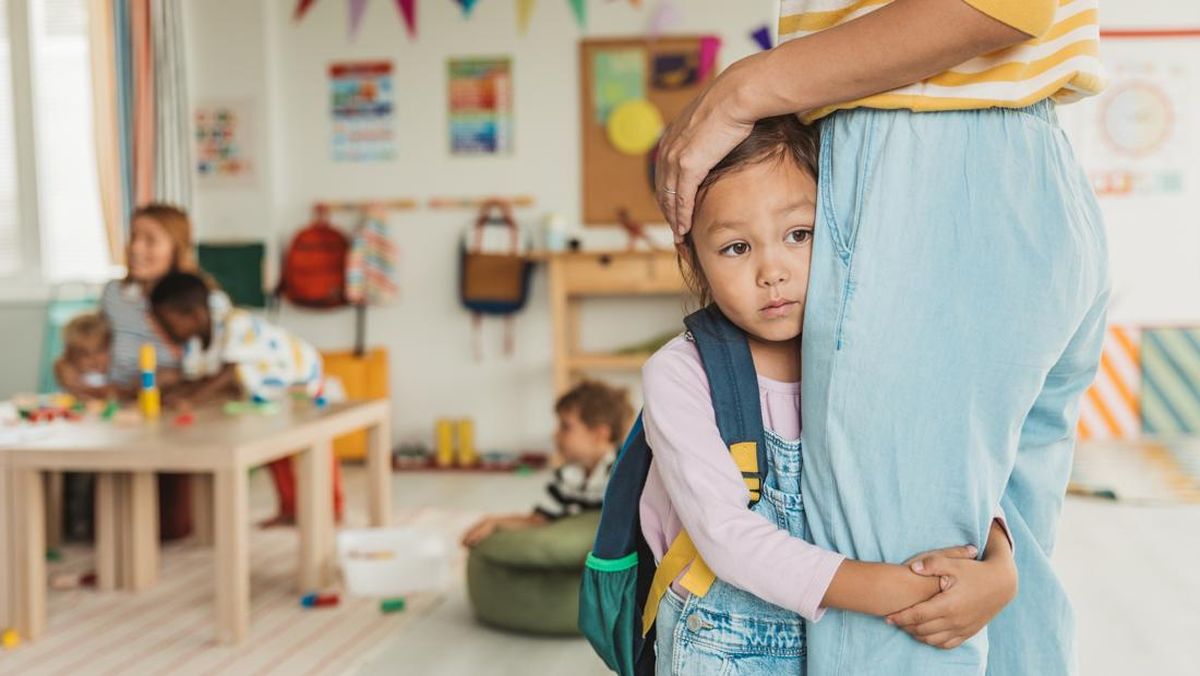
Instead of focusing exclusively on the final outcome, praise should target the child’s preparation, bravery, and persistence. For instance, if a child expressed intense worry about finding a playmate at the park but successfully engaged with others by the end of the outing, reviewing that experience through a positive lens is crucial. Debriefing the event allows the child to recalibrate their internal narrative, transforming past fear into a proven track record of social success.
4. Emotional Validation and Active Listening
Children frequently experience intense emotional states long before they possess the sophisticated vocabulary required to articulate them accurately. This disconnect is a frequent source of profound frustration for both the child and the parent.
To bridge this communication gap, parents must deliberately provide children with the necessary time and psychological space to process their feelings following a challenging social event. Giving children options regarding how they wish to decompress—whether through verbal discussion, a comforting physical hug, solitude, or simply sitting quietly side-by-side—empowers them. Utilizing reflective questioning, such as observing that a child became unusually quiet after returning from a social gathering and gently inquiring about their internal state, fosters deep emotional literacy. This practice cultivates positive internal self-talk, helping children process their emotions constructively rather than internalizing self-doubt.
5. Gradual Independence and Fostering Autonomy
Over-reliance on parental proximity can inadvertently perpetuate shyness. When children become overly accustomed to having a parent act as a constant social shield, they miss opportunities to develop independent coping mechanisms.
Drawing from developmental guidance featured in parenting resources like Today, caregivers should intentionally practice the gradual release of responsibility. When sitting next to a child in a social setting, a parent can initially occupy themselves with a separate task to signal trust and security, then slowly and incrementally increase physical distance. This measured withdrawal allows the child to experience independent competence, realizing they are capable of navigating their immediate environment without direct parental intervention.
6. Psychoeducation on Anxiety Recognition
Teaching children to identify the physiological and psychological markers of anxiety is an empowering preventative measure. When children develop self-awareness regarding their emotional state, they can recognize the early onset of nervousness before it escalates into full-blown panic.
Parents can guide children to identify where they feel anxiety in their bodies—such as a tight chest, a racing heart, or butterflies in the stomach—and introduce somatic regulation techniques. Simple interventions, such as guided slow, deep breathing exercises, act as physiological circuit breakers, helping to reset the nervous system and restore emotional equilibrium during stressful social moments.
7. Cultivating Personal Mantras for Self-Encouragement
Cognitive behavioral strategies are not exclusively reserved for adults; children can also benefit immensely from the implementation of positive affirmations. Equipping children with short, memorable phrases or personal mantras provides them with an immediate psychological anchor during difficult social encounters.
Mantras such as "I can do this," "Things will get better," or "I am brave" serve as effective cognitive strategies to combat negative self-talk. Families can normalize these affirmations by establishing them as household mantras, repeating them frequently in everyday contexts so that utilizing positive self-talk becomes an automatic, internalized habit for the child.
Broader Implications and Long-Term Outlook
Addressing childhood shyness with empathy, structure, and patience carries profound long-term implications for mental health and social development. Longitudinal studies in developmental psychology consistently demonstrate that children who learn to manage their social apprehension constructively grow into emotionally resilient adolescents and adults. Rather than suffering from chronic social anxiety, children who are supported through their natural shyness develop high levels of emotional intelligence, empathy, and strong interpersonal problem-solving skills.
Ultimately, the journey of overcoming shyness is not about erasing a child’s unique temperament, but about expanding their behavioral repertoire. By replacing parental anxiety with informed, gentle guidance, families can transform social apprehension from an insurmountable barrier into an opportunity for profound personal growth, ensuring that every child feels secure enough to explore, connect, and thrive in the world around them.