Navigating the Cosmic Currents: Today’s Astrological Forecast for Libra, Scorpio, and Sagittarius

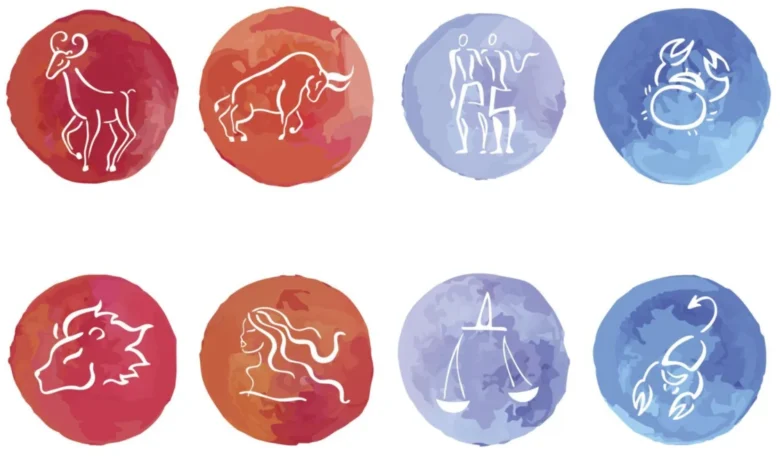
Jakarta – In the ever-shifting landscape of celestial influences, individuals born under the signs of Libra, Scorpio, and Sagittarius are advised to approach the day with specific considerations, according to contemporary astrological interpretations. For Libras, the emphasis lies on cultivating positive communication channels, while Scorpios are encouraged to embrace innovation to stay ahead. Sagitarius, on the other hand, must exercise caution and critical discernment when encountering ambiguous information. This forecast, drawing upon established astrological principles, offers guidance for navigating personal and professional spheres today.
Libra: The Art of Harmonious Discourse
For Libras, a sign often associated with balance and diplomacy, today’s cosmic alignment suggests a strategic approach to interpersonal dynamics. The astrological outlook advises against attempting to impose one’s viewpoint on individuals exhibiting a decidedly negative disposition. Instead, the focus should pivot towards fostering constructive dialogue with those who are receptive and supportive. This principle is particularly relevant in professional settings where collaboration and consensus-building are paramount. Research consistently highlights the correlation between positive communication and team productivity. A 2022 study published in the Journal of Organizational Behavior found that teams with higher levels of open and supportive communication reported significantly better problem-solving capabilities and increased job satisfaction.
Financial Considerations for Libra:
While financial matters may be occupying the thoughts of Libras, maintaining an optimistic outlook and a spirited disposition is strongly recommended. This sentiment aligns with established principles of financial psychology, which suggest that a positive mindset can influence decision-making and resilience in the face of economic challenges. Behavioral economists have long studied the impact of optimism on investment behavior and risk tolerance. While not a direct predictor of financial success, a proactive and hopeful attitude can foster better financial habits and a greater willingness to explore opportunities.
Romantic Landscape for Libra:
In matters of the heart, relationships for Libras are anticipated to proceed along familiar lines. The astrological forecast indicates that partners may be preoccupied with their own pursuits, leading to a period of relative calm in the relationship. The advice is to embrace this phase with a relaxed demeanor, free from excessive suspicion or overthinking. This period of individual focus can, in fact, offer an opportunity for personal growth and reflection, which can ultimately strengthen the bond when partners reconnect. A healthy relationship often involves periods of independent activity, allowing individuals to maintain their sense of self while nurturing their partnership.
Scorpio: The Imperative of Innovation and Vigilance
Scorpios, known for their intensity and drive, are being urged to remain attuned to evolving trends to maintain their competitive edge. The astrological guidance emphasizes continuous innovation, positing that success is an attainable goal for all individuals who are willing to pursue it. This sentiment resonates deeply with the entrepreneurial spirit and the dynamic nature of modern industries. In today’s rapidly advancing technological landscape, staying abreast of emerging trends is not merely an advantage but a necessity. For instance, the widespread adoption of artificial intelligence across various sectors, from healthcare to finance, demonstrates the critical need for adaptability and forward-thinking. A report by the World Economic Forum in 2023 highlighted that skills related to technology, critical thinking, and creativity are increasingly in demand, underscoring the importance of continuous learning and innovation.
Financial Fortitude for Scorpio:
On the financial front, Scorpios are advised to adopt a firm stance against any individuals or factors that could jeopardize their financial stability. This counsel underscores the importance of safeguarding one’s assets and being assertive in financial dealings. In a global economy prone to fluctuations, prudent financial management and a clear understanding of one’s financial boundaries are crucial. This can involve setting clear expectations in business partnerships, carefully scrutinizing investment opportunities, and being decisive in addressing potential financial risks.
Relational Dynamics for Scorpio:
In romantic relationships, Scorpios are cautioned against dwelling on hypothetical scenarios or discussing uncertainties that have yet to materialize. The astrological interpretation suggests that their partners may be prone to anxiety, and ill-considered words could exacerbate their worries. This advice highlights the profound impact of communication on emotional well-being within a partnership. Empathetic communication, characterized by thoughtful consideration of the partner’s emotional state, is key to fostering a secure and supportive environment. Understanding a partner’s anxieties and responding with reassurance rather than amplification is a cornerstone of healthy relationship dynamics.
Sagittarius: Prudence in Information Consumption and Action
For Sagitarius, a sign often associated with optimism and a quest for knowledge, today’s astrological forecast places a significant emphasis on critical thinking and learning from past experiences. The primary directive is to exercise caution and avoid placing undue trust in information whose origins are unclear or unverified. This cautionary note is exceptionally pertinent in the current information age, where the proliferation of misinformation and disinformation poses a significant challenge. The ability to discern credible sources from unreliable ones is a vital skill. Statistics from organizations like the Pew Research Center consistently show a high level of public concern regarding the spread of false news online, underscoring the need for media literacy and critical evaluation of information.
Financial Discipline for Sagittarius:
Even when circumstances appear to be stable, Sagittarians are urged to adhere strictly to established rules and regulations. The astrological interpretation suggests that attempting to circumvent established procedures, even when seemingly advantageous, could lead to detrimental consequences in the long run. This principle is fundamental to ethical conduct and sustainable success in both personal and professional endeavors. Adherence to regulations, whether in finance, business, or personal conduct, provides a framework for accountability and mitigates potential legal or reputational risks. The long-term implications of cutting corners can far outweigh any short-term gains.
Interpersonal Connections for Sagittarius:
In their personal relationships, Sagittarians are advised to moderate their habit of extensively sharing their grievances with their partners, particularly if it leads to shared panic. The astrological guidance suggests choosing opportune moments and employing appropriate methods when seeking to confide in their partners. This recommendation emphasizes the importance of responsible emotional sharing and the recognition that partners are not always the most effective conduits for managing all personal anxieties. Effective communication in relationships involves understanding the impact of one’s emotional state on others and finding healthy outlets for processing difficult emotions, which may include seeking support from a wider network or professional resources when necessary.
Broader Astrological Context and Implications
The astrological forecasts for Libra, Scorpio, and Sagittarius today offer a tapestry of advice centered around communication, innovation, and discernment. These themes are not isolated to the realm of astrology but are fundamental tenets of personal and professional development that resonate across various disciplines.
The Evolution of Astrological Interpretation:
It is important to note that astrological interpretations, while rooted in ancient traditions, are subject to ongoing interpretation and adaptation in contemporary society. Modern astrology often seeks to provide psychological insights and guidance rather than deterministic predictions. The data and trends referenced above, such as those from academic journals and research institutions, serve to contextualize the psychological and sociological implications of the advice offered by astrological forecasts. For example, the emphasis on positive communication for Libras aligns with established psychological principles of effective interpersonal interaction, while the call for innovation for Scorpios mirrors the demands of a rapidly evolving global economy.
Societal Relevance of Astrological Themes:
The recurring themes of mindful communication, the necessity of adaptation and innovation, and the critical evaluation of information are not merely individual concerns but are increasingly relevant to societal discourse. In an era characterized by information overload and complex social dynamics, the principles highlighted in these astrological forecasts offer a framework for navigating these challenges. The ability to communicate effectively, to embrace change, and to critically assess information are skills that contribute to both individual well-being and the health of democratic societies. As the world continues to evolve at an unprecedented pace, the timeless wisdom embedded within astrological traditions, when interpreted through a modern lens, can offer valuable perspectives on how to thrive.
The forecasts for Libra, Scorpio, and Sagittarius serve as a gentle reminder that while celestial bodies may exert an influence, the power to shape one’s day and future ultimately lies in conscious choices, thoughtful communication, and a commitment to personal growth and well-being.
Related posts: