The Shift in Indonesia’s Automotive Landscape: Japanese Car Dealerships Close Amidst Rising Chinese Influence and Electrification Push


The noticeable closure of several Japanese car dealerships across Indonesia serves as a potent indicator of a profound transformation underway in the nation’s automotive industry. This seismic shift, characterized by increasing competition and a rapidly evolving market, has prompted calls for government intervention to safeguard the business climate and ensure a level playing field.
Experts in the automotive sector are urging the government to proactively address the situation by implementing supportive regulations. Yannes Martinus Pasaribu, an automotive expert from the Bandung Institute of Technology (ITB), emphasized the critical need for governmental attention to harmonizing regulations across various ministries. This synergy, he believes, is crucial to prevent business uncertainty and foster a stable environment for all stakeholders.
"The government must prioritize the harmonization of cross-ministerial regulations so that all regulations can synergize and do not create business uncertainty," Yannes stated in a message on Friday, April 17th. He further highlighted the importance of reforming the Domestic Component Level (TKDN) policy, coupled with incentives for companies that genuinely facilitate technology transfer and contribute to job creation.
Beyond regulatory adjustments, Yannes underscored the necessity of maintaining stable interest rates and bolstering public purchasing power. He warned that the automotive market remains vulnerable to inflationary pressures, particularly from food prices, and the weakening of the middle class, which could further dampen demand.
The current wave of Japanese dealership closures is intrinsically linked to the accelerated pace of change within the industry, especially concerning the burgeoning segment of electric vehicles (EVs). The transition from traditional internal combustion engine vehicles to EVs represents a significant disruption, and Japanese manufacturers, long dominant in the Indonesian market, are finding themselves challenged by newer, more agile competitors.
"The phenomenon of many Japanese car dealerships closing and being replaced by Chinese brands is a strong signal of a rapid market shift driven by swift regulatory changes and price competition," Yannes observed. He pointed to several factors contributing to the growing appeal of Chinese automotive brands. These include their more affordable price points, modern design aesthetics, and feature-rich offerings. Crucially, many Chinese vehicles are equipped with environmentally friendly technologies, particularly pure electric powertrains, which are increasingly trending among Indonesian consumers.
The expert also alluded to the impact of sudden regulatory shifts that can escalate compliance costs for existing dealerships. This, he suggests, could erode profit margins for Japanese dealers, pushing consumers towards Chinese brands that are perceived as more aggressive in their market penetration strategies.
In response to these evolving market dynamics, Yannes advised Japanese manufacturers to undertake strategic adjustments to remain relevant in Indonesia’s increasingly competitive landscape. Key among these recommendations are restructuring dealership partnerships to be more mutually beneficial and strengthening after-sales service networks.
Furthermore, he suggested that Japanese automakers should actively invest in developing affordable, locally produced EVs to compete effectively with their Chinese counterparts. "Japan clearly needs to reconfigure its partnership models to be more advantageous for dealers and needs to strengthen the after-sales network for each of its products. Japan also needs to invest quickly in local EVs, and it appears they may need to partner with Chinese suppliers to combine technology with competitive pricing," he elaborated.
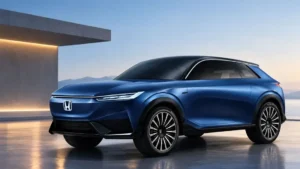
The impact of these market shifts has already been evident. Honda, a prominent Japanese automotive brand, has been widely reported to be closing several of its dealerships in Indonesia. This trend has been observed since mid-2025, with speculation suggesting that some of these former Honda outlets are being repurposed to serve consumers of Chinese car brands. Most recently, Honda announced the closure of another dealership in Pondok Pinang, Jakarta, with the site slated to be converted into a Jaecoo outlet, a Chinese automotive brand.
This situation has not gone unnoticed by government officials. Minister of Industry Agus Gumiwang has acknowledged the challenges faced by Japanese automotive manufacturers, urging them to adapt to the changing market demands. According to Agus, Japanese producers must meticulously interpret the government’s policy direction, which is consistently shifting towards supporting the adoption of electric vehicles.
The global context, including geopolitical events like the ongoing conflicts in the Middle East, further reinforces the government’s drive to reduce reliance on fossil fuels, thereby intensifying the push towards electrification. Minister Agus emphasized that the government has issued clear directives to accelerate the national adoption of electric vehicles, encompassing motorcycles, passenger cars, trucks, and buses.
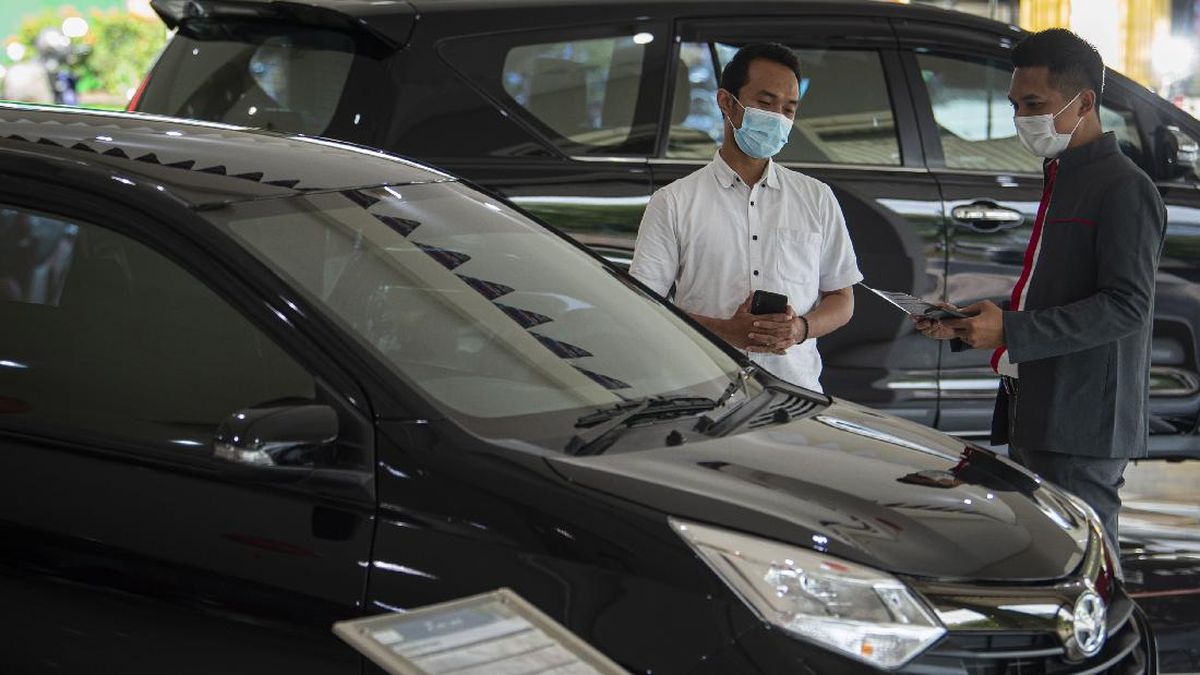
"I believe Japanese manufacturers must recognize that we are shifting in that direction, and this is a direct directive from the President for us to quickly transition fully to EVs, whether it’s motorcycles, cars, including trucks and buses as well," Agus concluded.
The Shifting Tides of the Indonesian Automotive Market
The Indonesian automotive sector, historically dominated by Japanese manufacturers, is undergoing a significant transformation. The closure of several Japanese car dealerships is not an isolated incident but a symptom of broader market dynamics, including increased competition from Chinese brands and a government-led push towards electric vehicles (EVs). This evolving landscape necessitates strategic adaptation from all players.
Rising Chinese Competition and Consumer Preferences
For decades, Japanese car brands have enjoyed a near-monopoly in the Indonesian market, known for their reliability, fuel efficiency, and robust after-sales networks. However, this dominance is now being challenged by Chinese manufacturers who have rapidly gained traction by offering a compelling combination of affordability, modern design, and advanced technology.
Data from industry associations, such as the Association of Indonesian Automotive Manufacturers (Gaikindo), have begun to reflect this shift. While specific figures on dealership closures by brand are not always publicly detailed, sales figures and market share reports indicate a growing presence of Chinese brands. For instance, the burgeoning popularity of electric vehicles, where Chinese companies have often been at the forefront of innovation and production, has provided a significant entry point.
Consumers are increasingly drawn to Chinese models due to several key factors:
- Price Competitiveness: Chinese vehicles often present a significantly lower entry price point compared to their Japanese counterparts, making them accessible to a wider segment of the Indonesian population.
- Modern Features and Technology: Many Chinese brands are equipping their vehicles with the latest infotainment systems, advanced driver-assistance systems (ADAS), and innovative EV powertrains, which appeal to a younger, tech-savvy demographic.
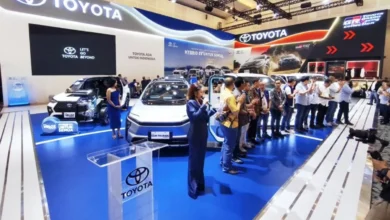
- EV Focus: As Indonesia aims to accelerate EV adoption, Chinese manufacturers have been quicker to market with a diverse range of electric models, from compact city cars to SUVs, often at competitive price points.
This confluence of factors has created a challenging environment for traditional Japanese dealerships, which may be struggling to compete on price and the latest technological offerings.
Government’s Electrification Agenda
The Indonesian government has set ambitious targets for EV adoption, driven by a desire to reduce reliance on fossil fuels, curb air pollution, and position the nation as a leader in sustainable transportation in Southeast Asia. This policy direction has been a significant catalyst for change within the automotive industry.
Key government initiatives include:
- EV Subsidies and Incentives: The government has explored and implemented various incentives, such as tax breaks and subsidies, to make EVs more affordable for consumers and to encourage local production.
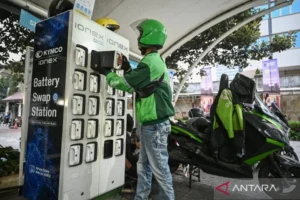
- Charging Infrastructure Development: Investments are being made to expand the national charging infrastructure, addressing one of the primary concerns for potential EV buyers.
- Production Targets: The Ministry of Industry has outlined targets for increasing the production and sales of electric vehicles, signaling a clear commitment to this transition.
Minister of Industry Agus Gumiwang’s statements underscore the urgency and governmental commitment to this shift. His emphasis on the President’s directive to fully embrace EVs reflects a national strategy that prioritizes future-oriented mobility solutions. This policy environment naturally favors manufacturers who are agile and have a strong portfolio of electric and hybrid vehicles.
Challenges for Japanese Manufacturers and Dealerships
The traditional business model of Japanese automakers in Indonesia, heavily reliant on internal combustion engine vehicles and a well-established dealership network, faces significant challenges in this new paradigm.
- Lagging in EV Technology: While Japanese manufacturers are investing heavily in EV research and development, their rollout of competitive, mass-market EVs in Indonesia has been slower compared to some Chinese competitors.
- Dealer Profitability: The closure of dealerships suggests that their existing profit margins are under pressure. This could be due to lower sales volumes of their traditional models, the inability to quickly adapt to selling EVs, or higher operational costs compared to newer entrants.
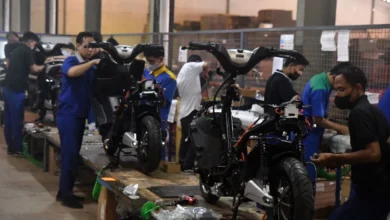
- Supply Chain Adjustments: The shift to EVs requires significant adjustments in supply chains, manufacturing processes, and workforce training. Japanese companies may face a longer transition period compared to manufacturers who are already heavily invested in EV technology.
Strategic Imperatives for the Future
The current situation presents a critical juncture for the Indonesian automotive market. For Japanese manufacturers to maintain their significant presence, strategic adaptation is paramount.
- Accelerated EV Introduction: A swift and decisive introduction of a wider range of competitive EVs, tailored to the Indonesian market, is essential. This includes not only passenger cars but also potentially commercial vehicles and motorcycles.
- Partnerships and Collaborations: As Yannes Pasaribu suggested, exploring strategic partnerships with local entities or even with Chinese companies could accelerate technology transfer and reduce development costs. Collaborating on battery technology or charging infrastructure could also be beneficial.
- Dealer Network Revitalization: Japanese automakers need to work closely with their dealers to support them through this transition. This could involve offering new product lines, providing comprehensive training on EV sales and maintenance, and potentially revising profit-sharing models.
- Focus on After-Sales Service for EVs: While Japanese brands excel in after-sales, the nature of EV maintenance differs significantly from ICE vehicles. Investing in specialized training and equipment for EV servicing will be crucial.
The Indonesian government also plays a vital role in managing this transition. Ensuring a balanced regulatory framework that supports both established players and new entrants, while fostering fair competition and promoting local manufacturing, will be key. Harmonizing regulations across ministries, as advocated by Yannes Pasaribu, will create a more predictable and stable environment for investment and business growth.
The closure of Japanese car dealerships in Indonesia is more than just a business trend; it signifies a fundamental reshaping of the automotive industry, driven by technological innovation, evolving consumer demands, and strong government policy. The coming years will be decisive in determining which players can successfully navigate this dynamic landscape and emerge as leaders in Indonesia’s future of mobility.