Navigating the Louvre in a Day: A Comprehensive Guide to Paris’s Iconic Art Haven and the Enigma of the Mona Lisa

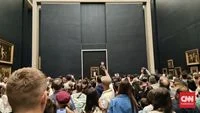
The French capital of Paris holds an undeniable allure for global travelers, seamlessly blending haute couture with centuries of profound historical evolution. For tourists operating on a tight schedule—perhaps afforded only a single day to absorb the city’s vast cultural offerings—prioritizing destinations becomes an exercise in strategic planning. At the absolute apex of any such itinerary stands the Musée du Louvre, the world’s most visited museum and a sprawling cultural repository that commands the attention of millions annually. While Paris boasts numerous architectural marvels and historic quarters, a journey to the city remains fundamentally incomplete without standing beneath the famous glass pyramid of the Louvre.
Home to an staggering collection of more than 380,000 objects spanning from the prehistoric era to the 19th century, the Louvre functions not merely as a museum, but as a monumental archive of human expression. Yet, despite the sheer volume of masterpieces housed within its walls—ranging from ancient Near Eastern antiquities to masterworks of the French Romantic movement—one singular attraction consistently anchors the global pilgrimage to its doors: Leonardo da Vinci’s enigmatic portrait of the Mona Lisa.
Understanding the Scale and Logistics of the Louvre
Operating within the confines of a single day requires visitors to comprehend the immense physical and administrative scale of the institution. As the world’s most frequented museum, welcoming upwards of 30,000 visitors on any given day, spontaneous visits are fraught with logistical challenges. Industry experts and museum authorities consistently advise securing tickets well in advance via online portals to mitigate the risk of exclusion. Current pricing structures set adult admission for non-European Union citizens at 32 euros, while individuals under the age of 18, regardless of nationality, enjoy complimentary access.
Architecturally, the museum is anchored by the iconic Louvre Pyramid, designed by architect I.M. Pei, which serves as the primary gateway into the subterranean reception areas. However, seasoned travelers frequently bypass the notoriously lengthy queues at the main pyramid by utilizing alternative access points such as the Carrousel du Louvre or the Porte des Lions. Visitors arriving via the Paris Métro can navigate directly to the Palais Royal-Musée du Louvre station, which offers seamless underground integration into the Carrousel du Louvre shopping and transit hub. Alternatively, disembarking at the Louvre-Rivoli station provides a brief, scenic pedestrian approach to the museum’s alternative entryways.
Once inside, the spatial orientation of the museum can easily overwhelm the uninitiated. The vast collection is distributed across five expansive levels and categorized into three primary architectural wings: Richelieu, Sully, and Denon. Because exploring the totality of the museum’s holdings in a single day is an impossible physical endeavor, museum curators and travel analysts strongly recommend curating a targeted itinerary before arrival, focusing strictly on specific epochs or definitive masterworks.
The Phenomenon of the Mona Lisa: Expectations Versus Reality
For the vast majority of day-trippers, the primary pilgrimage leads directly to the Denon Wing, specifically Room 711, where Leonardo da Vinci’s Mona Lisa is permanently displayed. The painting, created during the Italian Renaissance, has achieved a level of cultural ubiquity that transcends the traditional boundaries of art history, making it a mandatory stop for international dignitaries, pop culture icons, and everyday tourists alike.
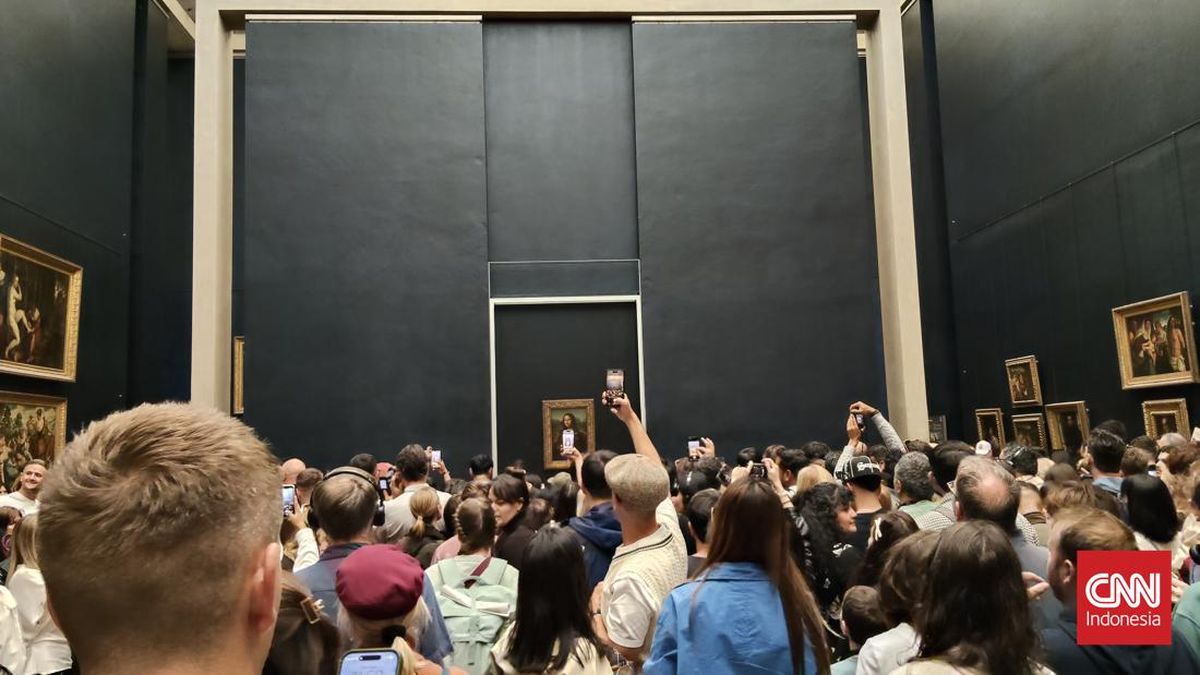
However, the reality of viewing the Mona Lisa in the 21st century diverges sharply from the intimate depictions often popularized in media or music videos—such as the famous cinematic takeover by Beyoncé and Jay-Z. Security protocols surrounding the sixteenth-century masterpiece are exceptionally stringent. Unlike the vast majority of paintings in the museum, the Mona Lisa is encased within a specialized, climate-controlled enclosure behind heavy bulletproof glass. Furthermore, physical stanchions and permanent security barikades maintain a distance of approximately 4.5 meters between the artwork and the viewing public.
Observations from the museum floor illustrate a persistent state of dense congestion within Room 711. The chamber is perpetually packed with visitors attempting to capture photographic evidence of their presence against a backdrop of towering crowds. From a distance, the painting appears remarkably diminutive, forcing viewers to weigh the merits of pushing through a dense throng against the alternative of observing the cultural icon from afar. Art historians and critics frequently note that while the cultural gravity of the Mona Lisa is undeniable, the physical experience of viewing it is often defined more by mass tourism dynamics than quiet aesthetic contemplation.
Beyond the Mona Lisa: Exploring the Broader Collection
While the Mona Lisa acts as the primary catalyst for attendance, reducing the Louvre solely to da Vinci’s portrait overlooks a vast ecosystem of monumental artistic achievement. For enthusiasts of painting and sculpture, the museum’s galleries offer an extraordinary survey of Western art history, featuring authenticated works by masters such as Claude Monet, Eugène Delacroix, Théodore Gericault, Jacques-Louis David, and Johannes Vermeer.
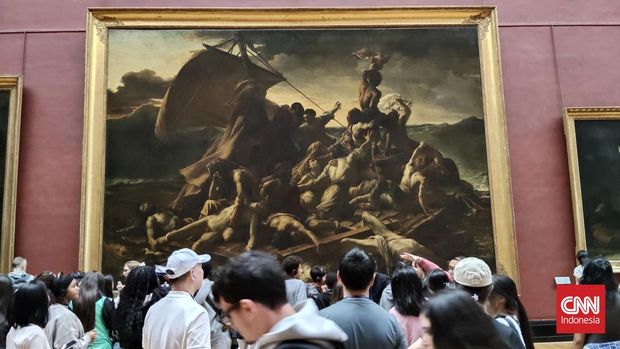
Music enthusiasts and popular culture aficionados frequently seek out Eugène Delacroix’s iconic 1830 painting, Liberty Leading the People—a powerful visual embodiment of the French Revolution that famously served as the cover art for alternative rock band Coldplay’s Grammy Award-winning album, Viva la Vida. Similarly, the museum houses Théodore Gericault’s harrowing masterwork, The Raft of the Medusa, which remains a cornerstone of French Romantic painting.
Sculpture enthusiasts navigating the sprawling corridors will encounter timeless antiquities and classical masterpieces, including the legendary Venus de Milo, dating back to approximately 100 BCE, and Michelangelo’s evocative The Rebellious Slave. Other notable highlights include Antonio Canova’s neoclassical marvel, Psyche Revived by Cupid’s Kiss, and Andrea Mantegna’s poignant Saint Sebastian.
Broader Implications of Mass Tourism on Cultural Heritage
The immense concentration of visitors at the Musée du Louvre highlights a broader, ongoing challenge facing global cultural institutions: balancing accessibility with the preservation of invaluable heritage assets. Managing an influx of tens of thousands of daily visitors requires sophisticated crowd-control infrastructure, advanced digital ticketing systems, and rigorous environmental controls within historic galleries.
As cultural tourism rebounds to pre-pandemic levels, institutions like the Louvre find themselves at the center of discussions regarding sustainable tourism management. Experts emphasize that spreading visitor density across the museum’s lesser-known wings—such as the vast departments of Islamic art, Near Eastern antiquities, and decorative arts—not only enhances the visitor experience by reducing bottlenecks in high-traffic zones like Room 711, but also ensures the long-term conservation of delicate artifacts.
Ultimately, while compressing a visit to the Louvre into a single day demands prioritization and logistical discipline, the museum remains an unmatched portal into human history. Whether a traveler’s ambition is simply to check off a cultural bucket-list item by catching a distant glimpse of the Mona Lisa or to dive deeply into the rich textures of nineteenth-century French Romanticism, the Musée du Louvre continues to serve as an indispensable cornerstone of the global artistic landscape.