Balancing Ecotourism and Conservation in Ujung Kulon National Park The Last Sanctuary of the Javan Rhinoceros

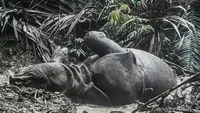
Ujung Kulon National Park, situated at the extreme western frontier of Java Island, stands as a testament to both Indonesia’s rich natural heritage and the profound vulnerabilities facing global biodiversity. As the exclusive remaining natural habitat of the Javan rhinoceros (Rhinoceros sondaicus), the park occupies a singular position in international conservation priorities. Simultaneously, its dramatic landscapes—characterized by pristine tropical rainforests, rugged coastlines, and a complex mosaic of marine and terrestrial ecosystems—have increasingly drawn the attention of travelers and ecotourism advocates from around the globe. This dual identity as a high-value wildlife sanctuary and an emerging tourism destination has catalyzed a critical national discourse regarding the compatibility of human visitation with strict ecological preservation.
The core challenge facing Ujung Kulon is navigating the delicate equilibrium between opening its gates to foster public appreciation of nature and restricting human footprints to safeguard an endangered ecosystem. With the park recently gaining international recognition by securing a place on prestigious global wildlife travel indices, wildlife managers, conservationists, and academic experts are re-evaluating the frameworks governing sustainable tourism in Indonesia’s protected areas. The central consensus emerging from this dialogue emphasizes that while tourism can serve as a powerful engine for conservation education and local economic support, unchecked or poorly managed visitation poses an existential threat to the fragile habitats upon which critically endangered species depend.
Global Recognition and the Ujung Kulon Ecosystem
The global stature of Ujung Kulon was recently underscored when the national park was incorporated into the Wildlife Experience Index, an exhaustive compilation curated by the international travel agency Bailey Robinson. This index evaluates thirty elite wildlife tourism experiences worldwide across six rigorous parameters: species rarity, geographic remoteness, conservation value, exclusivity, accessibility, and the statistical probability of direct wildlife sightings. Indonesia secured two notable representations on this prestigious index: the terrestrial and coastal ecosystems of Ujung Kulon National Park, and the rainforest habitats of Kalimantan designated for orangutan observation.
For Ujung Kulon, inclusion in such global indices brings dual implications. On one hand, it validates the irreplaceable ecological value of the park, elevating its profile on the international stage and reinforcing Indonesia’s commitment to biodiversity preservation. On the other hand, increased global visibility inevitably drives demand for travel to a region that is inherently unsuited to high-capacity tourism. The park encompasses not only the densely forested strongholds of the Javan rhinoceros but also a rich assemblage of other endemic and protected fauna, including the Javan gibbon, the silvered langur, the leopard, and a diverse array of avian and marine species. Introducing unregulated or excessive human traffic into these delicate biomes risks disrupting behavioral patterns, accelerating habitat degradation, and increasing the potential for human-wildlife conflict or the introduction of zoonotic pathogens.
The Menace of Mass Tourism in Protected Areas
Addressing the risks associated with heightened visibility, experts have raised strong caveats against the adoption of conventional tourism models within sanctuary boundaries. Dr. drh. Muhammad Agil, M.Sc.Agr., a faculty member at the Faculty of Veterinary Medicine at IPB University, has been vocal about the operational parameters required for protected areas. According to Agil, the fundamental hazard that must be averted is the implementation of mass tourism—a model characterized by high-volume visitor influxes, commercialized entertainment infrastructure, and minimal behavioral regulation among guests.
"What needs to be avoided is mass tourism," Agil stated in recent commentary addressing the management of the national park. "As long as the management is appropriate, tourism can actually serve as a medium for education and increase awareness of conservation."
Mass tourism, by design, prioritizes quantitative metrics of success, measuring the health of a destination primarily by ticket sales, foot traffic volume, and transient economic turnover. In a standard leisure resort or urban cultural site, such metrics dictate operational success. However, applying these same standards to a critical conservation zone like Ujung Kulon catastrophic. High volumes of visitors require extensive infrastructure, generate unmanageable waste streams, create persistent acoustic and visual disturbances, and demand intensive administrative oversight that diverts resources away from primary conservation duties, such as anti-poaching patrols and habitat restoration.
Re-defining the Visitor Experience: Education Over Recreation
To reconcile the competing demands of public access and ecological integrity, conservation scientists advocate for a paradigm shift in how visitors perceive and experience national parks. Rather than viewing protected areas as recreational playgrounds or venues for casual leisure, travelers must be guided toward an ethos of educational immersion and ecological stewardship.
Agil emphasized that journeys into national parks should transcend the traditional boundaries of tourism and leisure. The primary objective of entering such a sanctuary should be the cultivation of a profound understanding of ecological interconnectedness.
"Going to a national park is not for play and merry-making, but to understand nature—that the ecosystem there must be preserved," Agil explained. "And that means a preserved ecosystem requires every element within it to remain intact."
This philosophical adjustment changes the nature of the tourist-destination interaction. Visitors are no longer passive consumers of scenic views or passive seekers of wildlife sightings; they become active learners who grasp the delicate trophic webs, botanical dependencies, and climatic stabilization functions that define tropical rainforests and coastal wetlands. When travelers understand that the removal or disruption of a single element—be it a keystone plant species, a primary pollinator, or a large herbivore like the rhinoceros—can cause cascading failures throughout the local biological network, their behavior shifts accordingly. They develop a vested interest in the long-term survival of the park, transforming from potential environmental liabilities into vocal advocates for conservation policy.
Operational Strategies for Sustainable Visitation
Translating this educational and preservationist ethos into on-the-ground management requires deliberate structural interventions. Unlike commercial tourist destinations that seek to maximize carrying capacity, Ujung Kulon and similar conservation zones must operate on principles of controlled access, spatial zoning, and strict behavioral compliance.
First, access limitation is paramount. By capping daily or seasonal visitor numbers, park authorities can prevent the physical degradation of trails, minimize soil compaction, and reduce the frequency of wildlife disturbances. Controlling the flow of people ensures that the human footprint remains localized and manageable, leaving vast tracts of the park undisturbed and reserved exclusively for native wildlife.
Second, strict regulatory frameworks must govern visitor conduct within the park. This includes mandatory briefing sessions before entry, enforced adherence to designated pathways, restrictions on noise pollution, strict waste-in and waste-out policies, and the perpetual accompaniment of trained park rangers or accredited naturalists. These measures are not merely bureaucratic hurdles; they are essential safeguards designed to prevent the habituation of wildlife to human presence, which can lead to aggressive behaviors or make animals more vulnerable to poachers.
Third, spatial zoning within the park helps compartmentalize activities. Highly sensitive zones—particularly those identified as core breeding grounds or primary foraging areas for the Javan rhinoceros—must be designated as absolute sanctuaries off-limits to general tourism. Conversely, buffer zones and outer peripheries can be utilized for low-impact ecotourism activities, such as guided educational treks, bird-watching excursions, and community-led conservation workshops. This tiered approach ensures that economic benefits continue to flow to surrounding local communities without compromising the core ecological functions of the protected interior.
The Conservation Imperative: Protecting the Javan Rhinoceros
The urgency underlying these management protocols cannot be overstated. The Javan rhinoceros is widely recognized as one of the most endangered large mammals on Earth. Once distributed widely across Northeast India, Southeast Asia, and the Indonesian islands of Sumatra and Java, centuries of agricultural expansion, habitat fragmentation, and intensive poaching for its horn—coveted in traditional medicine markets—have driven the species to the brink of total extinction.
Today, the global population of the Javan rhinoceros exists solely within the dense secondary forests and swampy lowlands of Ujung Kulon National Park. Recent census data and monitoring efforts by conservation authorities estimate the total population to hover around roughly 75 to 80 individuals. Because all remaining Javan rhinos are concentrated in this single geographical location, the species is exceptionally vulnerable to catastrophic stochastic events, such as disease outbreaks, tsunamis generated by the nearby Anak Krakatau volcano, or illegal poaching incursions.
Given this precarious biological status, any human activity introduced into Ujung Kulon must pass a rigorous risk-benefit analysis. The administration of the park, managed by the Ministry of Environment and Forestry alongside specialized conservation NGOs, carries the immense responsibility of ensuring that tourism initiatives do not inadvertently jeopardize the last remaining stronghold of this iconic megafauna.
Socio-Economic Integration and Community-Based Tourism
A sustainable approach to managing Ujung Kulon must also integrate the socio-economic realities of the human populations residing in the buffer zones surrounding the national park. Conservation cannot succeed in isolation from local communities; long-term protection of the park’s biodiversity depends on fostering a symbiotic relationship between park management and local residents.
When ecotourism is structured correctly, it provides viable alternative livelihoods for communities that might otherwise rely on resource-extraction activities such as illegal logging, slash-and-burn agriculture, or wildlife trapping. By engaging local residents as eco-lodge operators, certified wilderness guides, boat handlers, culinary providers, and handicraft artisans, tourism transforms local communities from potential threats into the most effective guardians of the forest.
Furthermore, community-based ecotourism reinforces the educational mission emphasized by academic experts. Local guides, possessing deep indigenous knowledge of the terrain and its biological rhythms, are uniquely positioned to interpret the landscape for visitors. They can convey stories of coexistence, local cultural heritage, and the historical struggles to protect the forest, enriching the visitor’s experience far beyond what standard tourist literature can achieve.
Measuring Success Beyond Visitor Metrics
Ultimately, the future of Ujung Kulon National Park hinges on a fundamental re-evaluation of how success is defined in environmental tourism. As global travel trends increasingly lean toward authentic, nature-based experiences, destinations like Ujung Kulon will face continuous pressure to expand their capacity and accommodate larger numbers of visitors seeking to witness rare biodiversity firsthand.
Resisting this pressure requires political resolve, robust regulatory enforcement, and active cooperation between government agencies, academic institutions, local communities, and the international conservation community. The true measure of a successful tourism program in Ujung Kulon must never be tallied by sheer attendance numbers or gross financial revenues. Instead, success must be gauged by the stability and growth of the Javan rhinoceros population, the ecological health of the rainforest and marine habitats, the depth of understanding instilled in every traveler who walks its trails, and the enduring resilience of the natural world preserved for future generations.
Through disciplined management, rigorous spatial planning, and an unwavering commitment to education over commercial exploitation, Ujung Kulon can continue to serve as both a global sanctuary for the Earth’s rarest rhinoceros and a model for how humanity can responsibly witness, respect, and protect the fragile wild spaces that sustain us all.
Related posts: