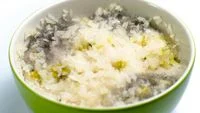
The escalating crisis of urban food waste has prompted a significant shift in household waste management, with experts now highlighting that common kitchen staples like leftover rice can serve as a potent foundation for organic fertilizers. Rather than allowing surplus rice to reach landfills where it contributes to methane emissions, homeowners are being encouraged to repurpose these organic materials into high-quality compost that provides essential nutrients for both ornamental and edible plants. This initiative aligns with broader global sustainability goals and offers a practical solution for the circular economy at a domestic level.
The Nutritional Value of Rice in Agriculture
Rice is more than just a dietary staple; in the context of horticulture, it is a reservoir of essential elements. Leftover rice is particularly rich in carbohydrates and nitrogen, two components critical for the biological processes of soil. When rice undergoes decomposition, it facilitates the growth of beneficial microorganisms, including Lactobacilli and various indigenous fungi, which are instrumental in breaking down other organic matter.
Agricultural scientists note that the starch content in rice acts as a primary energy source for soil bacteria. As these bacteria flourish, they improve soil structure, increasing its porosity and water-retention capacity. Furthermore, rice contains trace amounts of phosphorus and potassium, which, when combined with its high nitrogen content, create a balanced NPK (Nitrogen-Phosphorus-Potassium) profile suitable for stimulating leaf growth, strengthening root systems, and enhancing the flowering stages of various plant species.
The Environmental Context of Food Waste in Indonesia
The push toward home-based composting comes at a critical time for Indonesia’s waste management infrastructure. Data from the Ministry of Environment and Forestry (KLHK) indicates that food waste remains the largest component of municipal solid waste in Indonesia, accounting for approximately 40% of the total waste generated annually. In metropolitan areas like Jakarta, the Bantar Gebang landfill has frequently neared its maximum capacity, necessitating urgent interventions in waste segregation at the source.
By diverting rice waste—a significant portion of the Indonesian diet—away from the trash bin, households can measibly reduce their environmental footprint. Organic waste in anaerobic landfill conditions produces methane, a greenhouse gas significantly more potent than carbon dioxide. Home composting provides an aerobic alternative that neutralizes this threat while producing a valuable commodity for urban farming.
Comprehensive Guide to Making Solid Organic Fertilizer
Transforming leftover rice into solid compost is a straightforward process that can be integrated into daily household routines. There are two primary methods: integrating rice into an existing compost pile or creating a dedicated rice-based starter.
Step-by-Step Solid Composting Process:
- Collection and Preparation: Gather leftover rice that is no longer fit for consumption. It is advisable to use rice that has not been heavily seasoned with oils or spices, as high fat content can slow down the decomposition process and attract unwanted pests.
- Aeration and Cooling: If the rice is still moist, it can be spread out briefly to reach room temperature.
- Mixing with Carbon Sources: In a composting bin, layer the rice with "brown" materials such as dried leaves, sawdust, or shredded cardboard. This ensures a proper carbon-to-nitrogen ratio, which is essential for odorless decomposition.
- The Fermentation Starter: To accelerate the process, many gardeners use a bio-activator like EM4 (Effective Microorganisms) or simply a handful of existing fertile soil. This introduces the necessary bacteria to begin the breakdown.
- Moisture Control: The compost should remain moist but not waterlogged. If the mixture is too dry, the microbes will go dormant; if it is too wet, it may produce a foul odor due to anaerobic activity.
- Maturation: Over a period of three to six weeks, depending on ambient temperature and aeration, the rice will lose its form and blend into a dark, earthy humus.
Once the material is crumbly and smells like fresh rain on soil, it is ready to be mixed into garden beds or potting soil.
The Rise of Liquid Organic Fertilizer (POC)
For urban gardeners with limited space, Liquid Organic Fertilizer (POC) derived from rice offers a more compact and faster-acting alternative. Often referred to as "Rice MOL" (Micro-organisms Local), this liquid gold is highly prized for its ability to provide an immediate nutrient boost to plants.
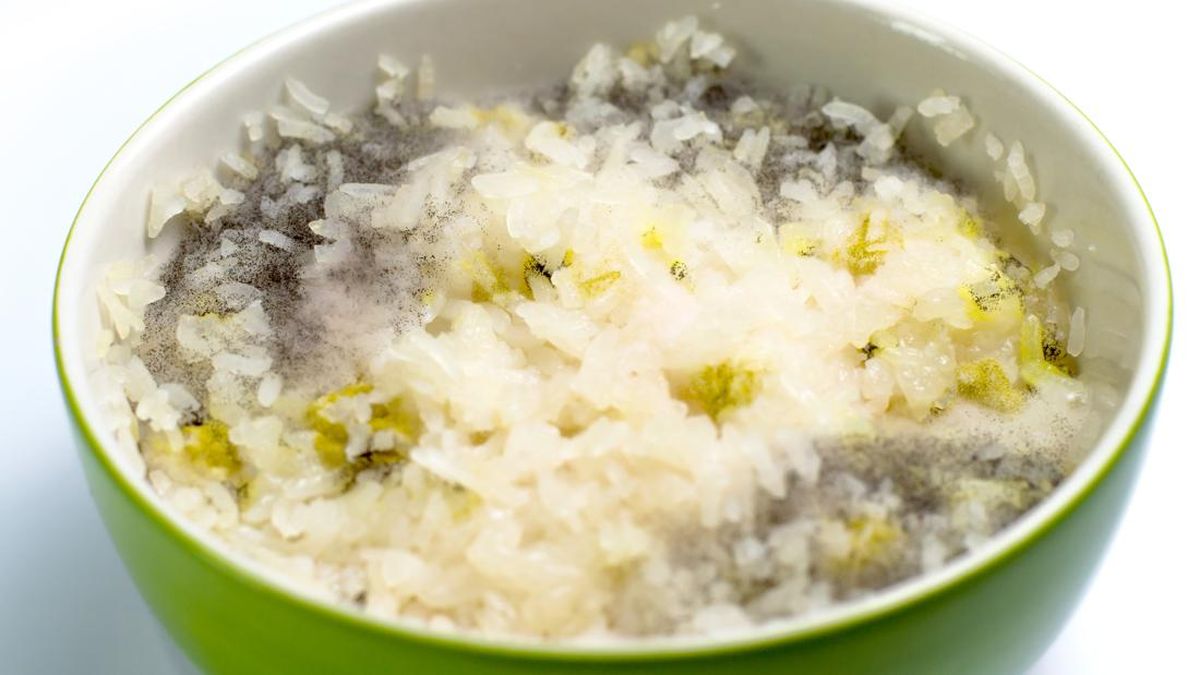
Methodology for Rice-Based POC:
- Fermentation Vessel: Place approximately 500 grams of leftover rice into a plastic container or bottle.
- Nutrient Solution: Add a liter of water and a source of glucose, such as two tablespoons of brown sugar or molasses. The sugar acts as a catalyst for microbial multiplication.
- Sealing and Gas Release: Seal the container tightly to allow for anaerobic fermentation. However, because the process produces gases, it is vital to open the cap briefly once a day to prevent pressure buildup.
- Observation: After five to seven days, the liquid will take on a fermented, slightly sour aroma, similar to tape (traditional fermented cassava). This indicates that the beneficial bacteria are active.
- Application: The concentrated liquid must never be applied directly to plants as its acidity can burn roots. The standard dilution ratio is 1:20 (one part fertilizer to twenty parts water).
Expert Analysis: Impact on Soil Health and Plant Vitality
Horticultural experts emphasize that organic fertilizers derived from rice do more than just feed the plant; they "feed the soil." Unlike synthetic fertilizers, which can lead to salt buildup and soil acidification over time, rice compost enhances the biological diversity of the rhizosphere (the area around the roots).
According to independent agricultural researchers, plants treated with rice-based organic matter show a marked increase in resistance to soil-borne pathogens. The presence of beneficial fungi, such as Trichoderma, which often hitches a ride during the composting of organic kitchen waste, can actively hunt and destroy harmful fungi that cause root rot.
Furthermore, the phosphorus content in rice, while modest, is highly bioavailable in composted form. This is particularly beneficial for flowering plants like Adeniums or Aglaonemas, which require steady phosphorus levels to maintain vibrant foliage and frequent blooms.
Economic Benefits and Household Sustainability
Beyond the environmental and botanical advantages, there is a clear economic incentive for households to adopt these practices. The cost of premium organic potting soil and liquid fertilizers has risen steadily. By producing these inputs at home using "waste" that has already been paid for, families can significantly reduce the overhead costs of maintaining a home garden or a small-scale vegetable patch.
This practice also fosters a "Zero Waste" mindset. When individuals see the tangible results of their waste—such as a thriving tomato plant or a lush hibiscus—it reinforces a psychological connection to the lifecycle of food. This awareness often leads to more mindful consumption and a reduction in overall household waste generation.
Addressing Common Challenges
While the benefits are clear, beginners often face challenges such as odors or pests. Experts suggest that these issues are almost always the result of improper technique rather than the rice itself. To prevent flies and odors, it is essential to ensure that the rice is always covered by a layer of "brown" material or soil in the compost bin. For liquid fertilizers, ensuring a tight seal and using the correct amount of sugar will prevent the growth of putrefactive bacteria that cause bad smells.
Broader Implications for Urban Agriculture
As cities become more crowded, the concept of "Urban Farming" has transitioned from a hobby to a necessity for food security. In this context, the ability to generate fertilizer from kitchen scraps like rice is a game-changer. It allows for a self-sustaining loop where the waste from one meal provides the nutrients for the next harvest.
Community leaders in various Indonesian "Kampung Iklim" (Climate Villages) have already begun implementing collective composting programs. In these communities, leftover rice is collected from multiple households to create large-scale compost piles, the proceeds of which are used to maintain communal gardens. These initiatives not only improve local food security but also strengthen social bonds through collective environmental action.
The utilization of leftover rice for compost represents a perfect intersection of traditional wisdom and modern environmental science. By viewing "spoiled" food not as a burden but as a resource, society can take a significant step toward a more sustainable and resilient future. Whether in a large backyard or a small apartment balcony, the simple act of fermenting a bowl of rice can contribute to a global movement of ecological restoration.
Related posts: