The phenomenon of knee crepitus is a multifaceted clinical observation that involves the interaction of gases, soft tissues, and bone structures within the most complex joint in the human body. To understand why knees make noise, one must first look at the anatomy of the joint itself. The knee is a hinge joint where the femur (thigh bone) meets the tibia (shin bone), with the patella (kneecap) sitting in front to provide leverage for the quadriceps muscles. These bones are capped with articular cartilage, a smooth, slippery substance that allows for near-frictionless movement, and the entire joint is encased in a capsule filled with synovial fluid.
The Biological Mechanisms of Joint Sound
According to data published in the National Library of Medicine, the most common cause of joint popping is a process known as cavitation. Synovial fluid contains dissolved gases, including nitrogen, oxygen, and carbon dioxide. When a joint moves, the volume of the joint space changes, causing a sudden drop in pressure within the synovial fluid. This pressure change leads to the formation or collapse of tiny gas bubbles. When these bubbles burst or rapidly form, they produce the characteristic "pop" or "crack" associated with joint movement. This is the same mechanism that occurs when people intentionally "crack" their knuckles and is generally considered a harmless physiological event.
Beyond gas bubbles, mechanical factors involving the soft tissues are frequent contributors to knee noise. The knee is supported by a complex network of tendons—which connect muscle to bone—and ligaments, which connect bone to bone. As the knee moves through its range of motion, a tendon or ligament may occasionally catch on a small bony prominence or shift slightly out of its optimal path. When the tissue snaps back into place, it produces a clicking sound. This is particularly common in individuals with tight musculature, such as runners or cyclists, whose iliotibial (IT) bands or quadriceps tendons may be under significant tension.
Analyzing the Prevalence: What the Data Says
The prevalence of knee crepitus is surprisingly high across all age groups, suggesting it is a standard feature of human biomechanics rather than a rare deformity. A comprehensive meta-analysis published in the British Journal of Sports Medicine reviewed 103 studies involving more than 36,000 participants to quantify the frequency of "noisy knees." The research found that approximately 41 percent of the general population experiences some form of knee crepitus.
More significantly, the study highlighted that 36 percent of individuals who had no history of knee injury and no radiographic evidence of joint damage still reported audible joint sounds. This data serves as a vital reassurance for the "worried well," indicating that for more than a third of the population, a clicking knee is simply a baseline physical trait rather than a precursor to disability. However, the study also noted that in older populations or those with high Body Mass Index (BMI), the presence of crepitus was more likely to correlate with the early stages of joint degradation.
The Transition to Pathology: Osteoarthritis and Cartilage Wear
While benign crepitus is characterized by a sharp, clean "pop," pathological crepitus often feels and sounds different. It is frequently described as a "grating" or "grinding" sensation, similar to the sound of sandpaper rubbing together. This type of noise is often indicative of changes in the structural integrity of the joint, most notably the thinning of the articular cartilage.
Osteoarthritis (OA), often referred to as "wear-and-tear" arthritis, is the leading cause of pathological crepitus. As the cartilage that cushions the ends of the bones wears away, the surface becomes rough and uneven. Instead of gliding smoothly, the bones begin to rub against each other, or the kneecap begins to grind against the groove of the femur (the trochlear groove). This friction creates a chronic, low-frequency grinding sound.
In the context of an aging global population, the implications of osteoarthritis are profound. As life expectancy increases and obesity rates rise, the load placed on weight-bearing joints has reached historic highs. Orthopedic surgeons note that while crepitus in a 20-year-old athlete is likely due to tight tendons, the same sound in a 60-year-old may signal the mid-stages of joint space narrowing.
Clinical Chronology: When to Seek Medical Intervention
Medical professionals use a specific set of "red flags" to determine when a patient with knee crepitus requires diagnostic imaging or physical therapy. The sound itself is rarely the primary concern; rather, it is the symptoms that accompany the sound that dictate the level of medical urgency.
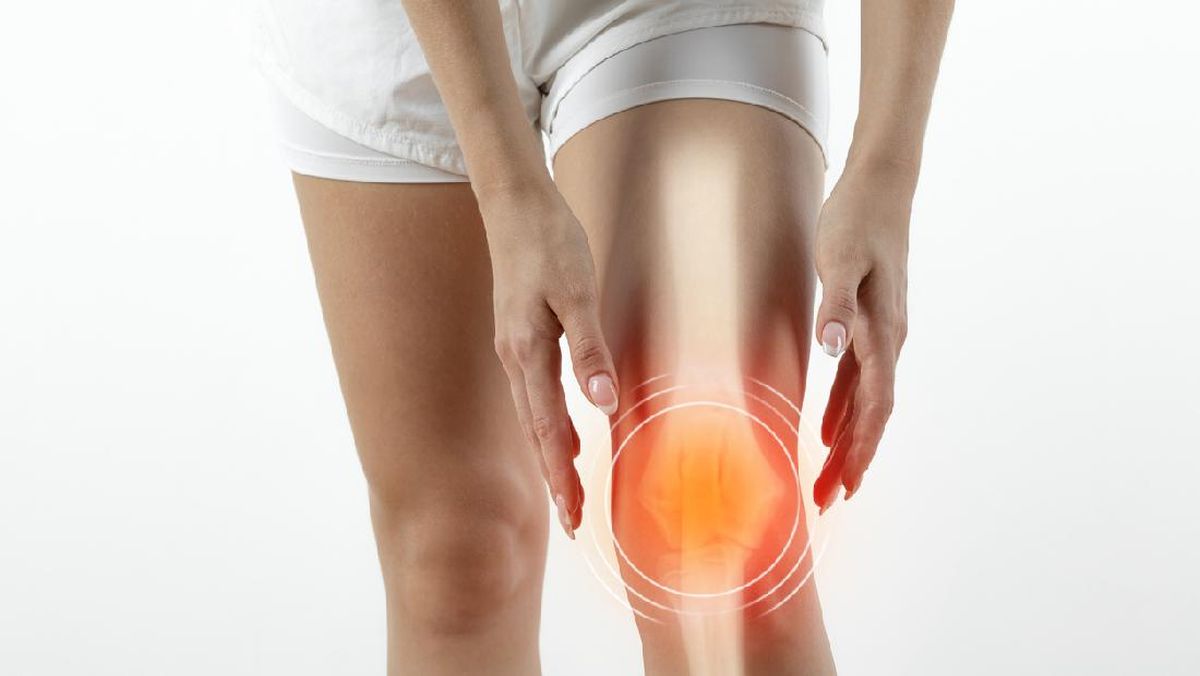
The first major warning sign is pain. If the "krek" sound is followed by a sharp or dull ache, it suggests that the mechanical friction is causing inflammation or that there is a tear in the meniscus—the C-shaped disc of cartilage that acts as a shock absorber. Second is the presence of swelling or "effusion." A knee that looks puffy or feels warm to the touch after it pops indicates that the joint is under stress and is producing excess synovial fluid in an attempt to protect itself.
A third critical symptom is "locking" or "catching." If the knee joint physically gets stuck in a certain position or feels as though something is blocking the range of motion, this may indicate a "loose body"—a small piece of bone or cartilage that has broken off and is floating within the joint space. Finally, instability, or the feeling that the knee is going to "give out" while walking, is a serious sign that the ligaments or the joint architecture are no longer providing adequate support.
Preventative Strategies and Long-term Management
Maintaining knee health requires a proactive approach that balances load management with muscular strengthening. One of the most effective ways to reduce the impact on the knees is weight management. For every one pound of body weight lost, there is a four-pound reduction in the pressure exerted on the knee joint during daily activities like walking.
Exercise is also a cornerstone of joint preservation. However, the type of exercise matters. High-impact activities like jumping or running on hard surfaces can exacerbate cartilage wear in those already predisposed to OA. Conversely, low-impact exercises such as swimming, cycling, and using an elliptical trainer provide the "motion is lotion" benefit—circulating synovial fluid to nourish the cartilage without the jarring impact.
Strengthening the muscles surrounding the knee is perhaps the most critical intervention. The quadriceps, hamstrings, and gluteal muscles act as an "internal brace" for the knee. Specifically, strengthening the vastus medialis obliquus (VMO)—the tear-drop shaped muscle on the inside of the thigh—helps ensure that the kneecap tracks correctly within its groove, reducing the mechanical friction that causes clicking.
The Psychological Impact of Kinesiophobia
An often-overlooked aspect of knee crepitus is its psychological impact. Many individuals develop "kinesiophobia," or the fear of movement, because they interpret the sounds in their knees as a sign that they are "damaging" themselves. This leads to a sedentary lifestyle, which ironically makes the problem worse. When a person stops moving, the muscles weaken, the joint becomes stiffer, and the cartilage receives less nutrition, accelerating the very decay they were trying to avoid.
Health communicators emphasize that for the majority of people, the sounds made by their joints are a normal part of human movement. Re-framing knee crepitus as a common physiological byproduct rather than a disease state is essential for encouraging continued physical activity among the middle-aged and elderly.
Conclusion and Future Outlook
In summary, while the "krek" or "klik" sound of a knee can be startling, it is rarely a definitive diagnosis of a medical problem in the absence of pain or swelling. The science of knee crepitus reveals a complex interplay of fluid dynamics and mechanical friction that is a standard part of the human experience. With 41 percent of the population experiencing these sounds, the medical community continues to focus on distinguishing benign cavitation from the early signs of osteoarthritis.
As orthopedic research advances, new treatments such as platelet-rich plasma (PRP) injections and advanced physical therapy protocols are providing better outcomes for those whose crepitus has transitioned into a painful condition. For the general public, the message remains clear: listen to your knees, but do not fear them. As long as the movement is painless, the occasional "pop" is simply a sign that the body’s complex machinery is in motion. By maintaining a healthy weight, staying active, and focusing on muscular strength, individuals can ensure that their joints remains functional and resilient, regardless of the sounds they might make along the way.
Related posts: