As global temperatures continue to fluctuate and urban heat islands become an increasingly pressing concern for metropolitan residents, the search for sustainable and natural cooling solutions has intensified. While air conditioning units and electric fans remain the primary defense against swelering heat, environmental experts and horticulturalists are highlighting the efficacy of biophilic design—the integration of nature into the built environment—as a potent tool for climate mitigation within the home. Beyond their aesthetic appeal, certain species of ornamental plants possess unique biological properties that allow them to absorb heat, regulate humidity, and purify the air, effectively lowering the ambient temperature of indoor and outdoor living spaces.
The phenomenon of plants cooling their environment is primarily driven by a process known as transpiration. Much like humans sweat to cool down, plants release excess water into the atmosphere through small pores in their leaves called stomata. As this water evaporates, it consumes heat energy from the surrounding air, creating a natural cooling effect. Furthermore, large-leaved plants provide physical shade and can reduce the thermal mass of building materials by preventing direct sunlight from hitting walls and floors. As homeowners in Indonesia and across the globe face record-breaking summers, the strategic placement of specific flora is being recognized not just as a hobby, but as a practical component of energy-efficient home management.
The Science of Botanical Cooling and Transpiration
To understand why certain plants are more effective at heat absorption than others, it is necessary to examine the mechanics of the plant-atmosphere interaction. According to data from various environmental studies, including the landmark NASA Clean Air Study, plants are capable of removing up to 87% of air toxins in 24 hours while simultaneously acting as biological humidifiers. In a high-temperature environment, the rate of transpiration increases. This means that in a room filled with lush, healthy greenery, the air is constantly being refreshed with moisture and oxygen, which counters the dry, oppressive heat often found in concrete-heavy urban dwellings.
The cooling capacity of a plant is often proportional to the surface area of its leaves. Larger leaves or a higher density of foliage mean more stomata, leading to a greater volume of water vapor released. When grouped together, plants can create a microclimate that is significantly cooler than the rest of the house. This natural cooling can reduce the reliance on mechanical cooling systems, potentially lowering electricity consumption by up to 10% to 15% in well-vegetated homes.
Top 7 Plants for Natural Heat Mitigation
Horticultural experts have identified seven specific plants that are particularly well-suited for heat absorption and air purification. These species are selected based on their transpiration rates, ease of maintenance, and ability to thrive in tropical or indoor environments.
1. Areca Palm (Dypsis lutescens)
Commonly known in Indonesia as the Yellow Palm (Palem Kuning), the Areca Palm is one of the most efficient natural humidifiers in the botanical world. A large Areca Palm can release a significant amount of moisture into the air through its feathery fronds, making it an ideal choice for dry, air-conditioned rooms or sun-drenched verandas.
Beyond its cooling properties, the Areca Palm is a powerhouse of air purification. It is specifically noted for its ability to filter out common indoor toxins such as formaldehyde, xylene, and toluene. For maximum cooling effect, the plant should be placed in a spot with bright, indirect sunlight, as direct harsh rays can scorch its leaves.
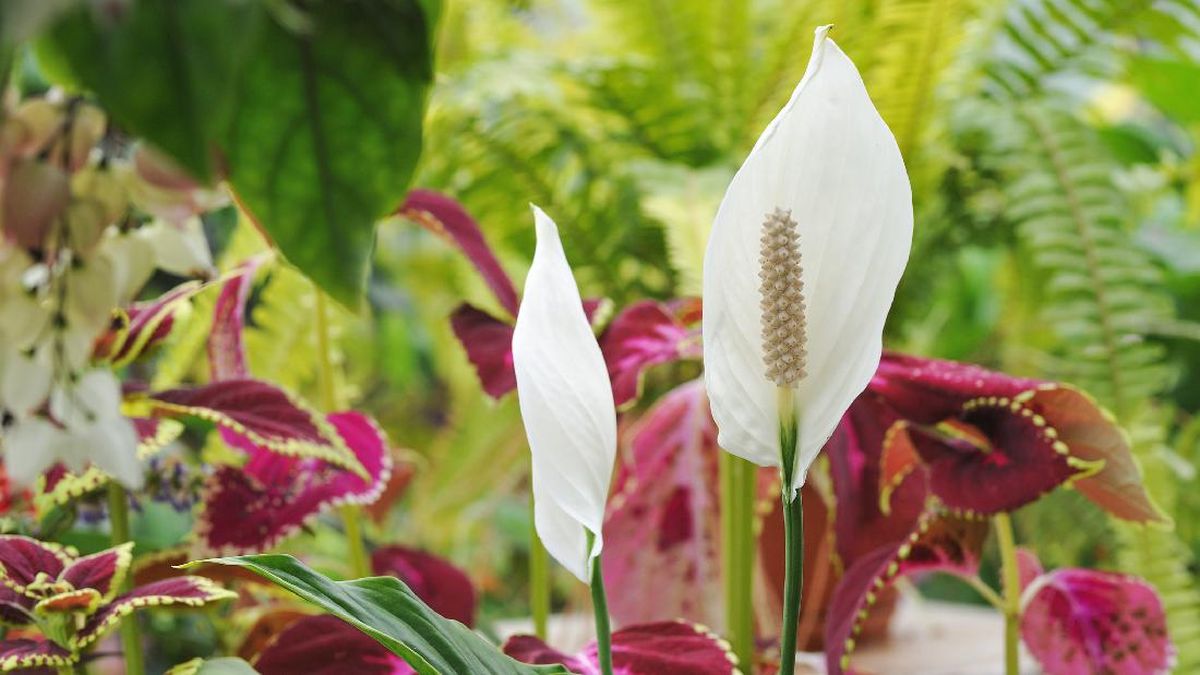
2. Aloe Vera
While Aloe Vera is globally renowned for its medicinal properties in treating burns and skin conditions, its role in climate regulation is often overlooked. Aloe Vera is a succulent, meaning it stores large amounts of water in its thick, fleshy leaves. This high water content allows the plant to remain cool even in intense heat, acting as a small heat sink within the room.
Interestingly, Aloe Vera is one of the few plants that continues to release oxygen at night while absorbing carbon dioxide. This makes it an excellent addition to bedrooms, where it helps maintain a cooler, fresher atmosphere for better sleep quality. It is also a hardy plant that requires minimal watering, thriving in the direct sunlight that characterizes many tropical regions.
3. Snake Plant (Sansevieria)
The Snake Plant, or "Lidah Mertua" in Indonesia, is perhaps the most resilient plant on this list. Known for its upright, sword-like leaves, the Sansevieria is highly effective at cooling because it stores oxygen during the day and releases it at night. This process, combined with its ability to absorb a wide range of airborne pollutants, ensures that the air remains breathable and crisp.
The Snake Plant is particularly useful for those living in apartments or homes with limited ventilation. It does not require frequent watering and can survive in low-light conditions, though its cooling and purifying capabilities are enhanced when it is healthy and well-exposed to light.
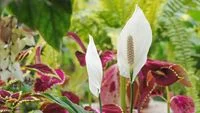
4. Peace Lily (Spathiphyllum)
The Peace Lily is a sophisticated ornamental plant that excels at increasing indoor humidity levels. Its large, dark green leaves provide a significant surface area for transpiration. By releasing moisture into the air, the Peace Lily helps suppress dust and allergens while cooling the immediate vicinity.
Unlike many other heat-absorbing plants, the Peace Lily thrives in shaded areas, making it perfect for corners of the house that feel "stuffy" but don’t receive direct sun. It is a visual indicator of its own health; when the plant needs water, its leaves will droop, serving as a reminder to the owner to maintain the hydration necessary for its cooling functions.
5. Boston Fern (Nephrolepis exaltata)
The Boston Fern is frequently used as a hanging plant, which allows it to cool the air at a higher level within a room. It is widely considered one of the best air-purifying plants, specifically for its ability to remove formaldehyde and other volatile organic compounds (VOCs) that can make indoor air feel heavy and warm.
To function as a natural cooler, the Boston Fern requires a humid environment and consistent moisture. In return, it acts as a biological air conditioner, filtering and humidifying the air as it passes through its dense, lace-like fronds.
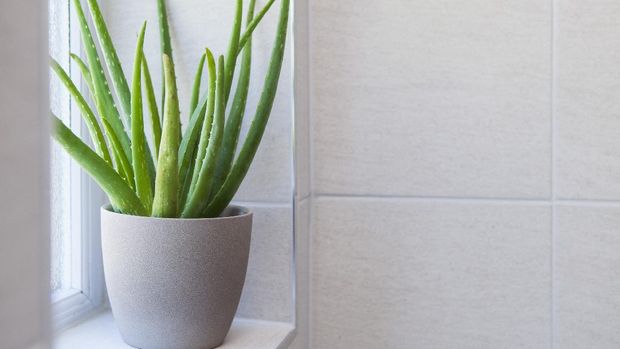
6. Grapevines (Vitis vinifera)
While typically thought of as agricultural plants, grapevines are increasingly used in residential architecture as "living canopies." As a climbing plant, the grapevine can be trained to grow over pergolas, balconies, or trellises. This creates a thick "ceiling" of foliage that blocks direct solar radiation from reaching the building’s structure.
The shade provided by a grapevine canopy can reduce the temperature of a patio or porch by several degrees. The dense leaves act as an insulating layer, while the transpiration from the large leaf surface area provides a constant cooling breeze as air moves through the foliage.
7. English Ivy (Hedera helix)
English Ivy is a versatile climber that can be grown in hanging baskets or allowed to cover exterior walls. When grown on the facade of a house, English Ivy acts as a thermal buffer. Research has shown that ivy-covered walls can be up to 10°C (18°F) cooler than exposed walls during the peak of summer.
By shielding the brick or concrete from the sun, the ivy prevents the building from "soaking up" heat during the day and radiating it back into the interior at night. This makes it an invaluable tool for urban dwellers looking to reduce their "heat footprint" naturally.
Broader Impact on Energy Consumption and Urban Planning
The integration of these plants into residential design carries implications far beyond simple home decoration. As urban centers like Jakarta continue to expand, the loss of green space has led to the "Urban Heat Island" effect, where concrete and asphalt trap heat, making cities significantly warmer than surrounding rural areas. By encouraging "vertical greenery" and indoor gardening, cities can begin to mitigate this effect at a grassroots level.
From an economic perspective, the use of plants as a cooling strategy represents a significant cost-saving opportunity. The reliance on air conditioning is a major contributor to high electricity bills and greenhouse gas emissions. While plants may not replace AC entirely in extreme climates, they serve as a critical supplementary system that reduces the workload of mechanical units, thereby extending their lifespan and reducing maintenance costs.
Conclusion and Implementation Strategies
For homeowners looking to implement these natural cooling solutions, experts recommend a "layered" approach. This involves placing large, high-transpiration plants like Areca Palms in open living areas, using climbing plants like English Ivy or Grapevines to shield sun-facing walls, and keeping air-purifying succulents like Aloe Vera and Snake Plants in bedrooms and offices.
The success of a botanical cooling strategy depends on the health of the plants. Regular watering, appropriate soil nutrition, and ensuring correct light exposure are essential for maintaining the high rates of transpiration required to cool a home. As the world moves toward a more sustainable future, the humble ornamental plant is proving to be a sophisticated ally in the fight against rising global temperatures, offering a solution that is as beautiful as it is functional. Through the strategic use of these seven plants, residents can transform their homes into cool, oxygen-rich sanctuaries, proving that nature often holds the most effective answers to modern environmental challenges.
Related posts: