Dubai Offers Residents Incentives Worth Over 3000 Dirhams to Boost Tourism Amid Geopolitical Tensions

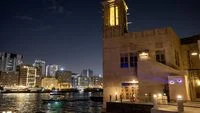
The Government of Dubai has officially launched a high-stakes incentive program aimed at mobilizing its diverse population to serve as unofficial tourism ambassadors, offering rewards exceeding 3,000 United Arab Emirates Dirhams (approximately Rp14.4 million) to residents who successfully bring international visitors to the city. This strategic initiative, titled "Dubai Invite," arrives at a critical juncture for the emirate as it seeks to fortify its vital tourism sector against the headwinds of regional geopolitical instability. Managed by the Dubai Department of Economy and Tourism (DET), the program leverages the city’s unique demographic profile—where expatriates make up the vast majority of the population—to create a grassroots marketing campaign designed to bypass traditional travel anxieties and restore visitor confidence.
Under the "Dubai Invite" framework, both Emirati nationals and foreign residents holding a valid Emirates ID are eligible to participate. The program, which is scheduled to run from July 20 through October 31, 2026, encourages residents to nominate friends and family members living abroad to visit Dubai. By registering these potential guests through the official Visit Dubai portal, residents become eligible for a suite of premium incentives once their guests’ arrival is confirmed by immigration authorities. These rewards are not merely nominal; they include substantial vouchers for luxury hotel stays, high-end culinary experiences, and complimentary access to some of the city’s most iconic leisure attractions.
Geopolitical Context and the Necessity of Intervention
The catalyst for this aggressive marketing shift is a period of heightened tension in the Middle East. The first half of 2026 saw a significant escalation in regional conflict, characterized by military frictions involving major global and regional powers. These events had an immediate ripple effect on the global aviation industry, leading to frequent rerouting of commercial flights and the issuance of restrictive travel advisories from several Western and Asian nations. Despite Dubai remaining a safe and stable haven, the "perception of risk" associated with the broader region led to a noticeable cooling in spontaneous travel bookings during the early months of the year.
Historically, Dubai has demonstrated remarkable resilience in the face of regional crises. In 2025, the city celebrated a landmark achievement, welcoming nearly 20 million international overnight visitors, a record-breaking figure that underscored its status as a global hub for business and leisure. However, the volatility of 2026 threatened to stall this momentum. The "Dubai Invite" program is therefore viewed by economic analysts as a proactive "soft power" maneuver. By encouraging residents to invite those they know personally, the government is banking on the idea that personal recommendations and firsthand accounts of the city’s safety will carry more weight than official government travel warnings or news headlines.
Mechanics of the Dubai Invite Program
The Department of Economy and Tourism has streamlined the participation process to ensure maximum engagement. To qualify, a resident must be at least 18 years old. They can register up to five individual guests simultaneously via the "Visit Dubai" website. The criteria for these guests are specific: they must be non-residents of the UAE and must enter the country on a valid tourist visa. The program covers arrivals via air, sea, and land, ensuring that regional travelers from neighboring GCC countries or cruise ship passengers are also accounted for.
Once the nominated guests clear immigration, the resident receives an automated notification and an electronic voucher pack. The value of these incentives is tiered, with the total potential benefit reaching the 3,000 AED mark. The rewards are designed to stimulate the local economy by driving traffic to specific partner establishments. Key highlights of the incentive package include:
- Hospitality Discounts: Participants can access discounts of up to 45 percent at luxury properties such as the Melia Desert Palm.
- Leisure and Attractions: Complimentary tickets to Aquaventure World, one of the world’s largest waterparks, and exclusive "buy one, get one" offers at trendy venues like The 305 beach club on Palm Jumeirah.
- Transport and Dining: Significant reductions in taxi fares through local ride-hailing partnerships and discounted "set menus" at a curated list of Dubai’s top-rated restaurants.
Crucially, these vouchers remain valid until December 31, 2026, providing residents and their guests ample time to utilize the rewards during the cooler winter months, which typically represent the peak of Dubai’s tourism season.
Chronology of Tourism Resilience in Dubai
To understand the significance of this move, one must look at the timeline of Dubai’s tourism strategy over the last decade. Following the global pandemic, Dubai was one of the first major cities to reopen its borders, a move that allowed it to capture a significant share of the "revenge travel" market. By 2024, the city had surpassed its pre-pandemic visitor levels, driven by the success of Expo 2020 (held in 2021-2022) and a series of liberalized visa reforms, including the introduction of the Golden Visa and Five-Year Multiple Entry visas.
However, the landscape shifted in late 2025 and early 2026. The escalation of hostilities between regional actors and international coalitions led to a temporary suspension of several key flight routes. While Dubai International (DXB) remained operational, the cost of travel insurance for the region spiked, and corporate travel from North America and Europe saw a 15 percent decline in the first quarter of 2026. The "Dubai Invite" program was conceptualized in May 2026 as an emergency response to these figures, aiming to fill the vacuum left by the decline in traditional corporate and group tour bookings with high-spending individual travelers visiting "VFR" (Visiting Friends and Relatives).
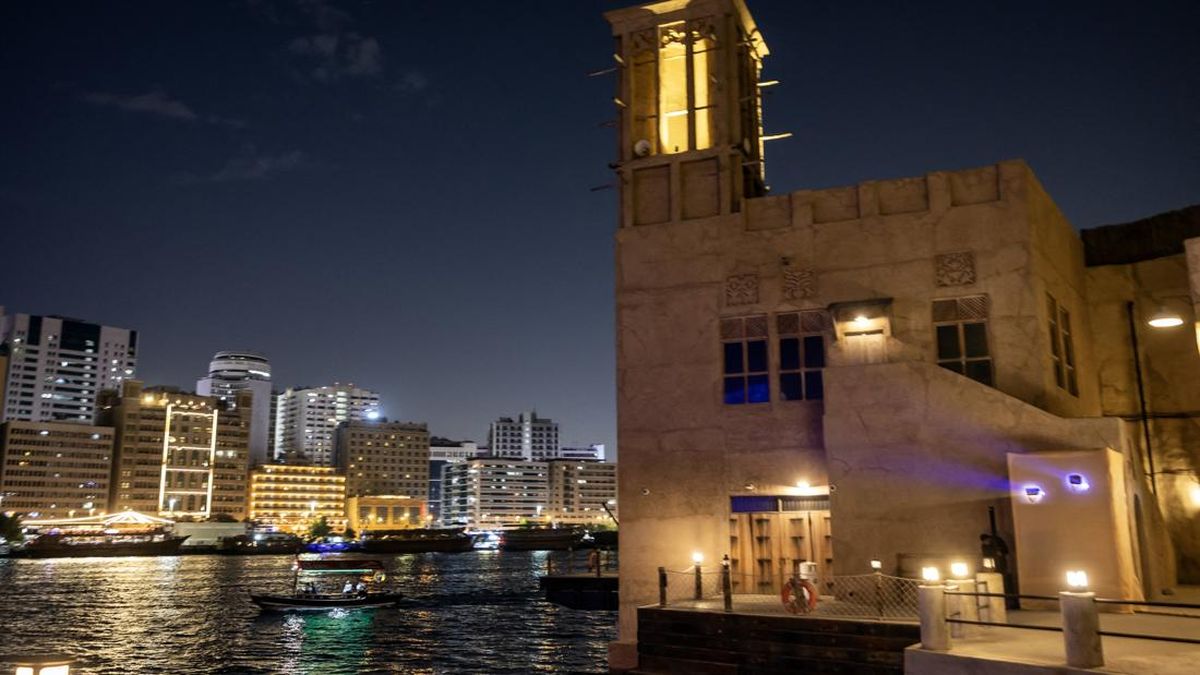
Strategic Analysis: The Power of the Resident Voice
Marketing experts suggest that the "Dubai Invite" campaign is a masterclass in modern destination marketing. "You are the best reason for them to visit," the official Visit Dubai statement reads, directly addressing the emotional connection between the city’s three million residents and their global networks. This approach recognizes that in an era of misinformation and geopolitical uncertainty, the "trusted source"—a friend or family member—is the most effective tool for conversion.
The program also serves a dual purpose: it rewards the resident population, many of whom have felt the indirect economic pressures of regional instability, such as rising living costs. By providing them with luxury experiences they might not otherwise purchase, the government is fostering a sense of community and shared stake in the city’s economic success. This internal "buy-in" is essential for a city that prides itself on its "Dubai Model" of rapid, state-led development supported by a global workforce.
Economic Implications and the D33 Agenda
The push to sustain tourism numbers is inextricably linked to the Dubai Economic Agenda (D33), which aims to double the size of Dubai’s economy over the next decade and position it among the top three global cities for business and tourism. Tourism currently contributes approximately 10 to 12 percent of Dubai’s GDP, but its indirect impact—through retail, real estate, and aviation—is much higher.
If the "Dubai Invite" program successfully attracts an additional 500,000 to 1,000,000 visitors during its three-month run, the projected economic injection could exceed 2 billion AED in direct spending. This would provide a vital cushion for the hospitality sector, which has seen a slight dip in occupancy rates (from 82 percent in 2025 to 76 percent in the first half of 2026). Furthermore, by focusing on high-value attractions like Palm Jumeirah and luxury resorts, the DET is ensuring that the spending remains concentrated in sectors that offer high margins and support thousands of jobs.
Official Reactions and Industry Sentiment
While the government has been the primary driver, the private sector has reacted with overwhelming support. "We have seen a shift in how people choose their destinations," said a spokesperson for a major hotel group in Dubai. "Safety is now a top-tier consideration. When a resident tells their cousin in London or their friend in Singapore that life in Dubai is normal, the shopping malls are full, and the beaches are open, it counteracts the ‘war zone’ narrative that often dominates international news cycles when there is trouble in the Middle East."
Aviation analysts also note that the program helps stabilize demand for Emirates and flydubai. By incentivizing residents to bring guests, the city ensures that inbound flight loads remain high, even if traditional transit traffic fluctuates due to regional airspace closures.
Future Outlook and Sustainability of the Strategy
As the October 31 deadline approaches, all eyes will be on the final visitor tallies for the 2026 summer and autumn seasons. If successful, "Dubai Invite" could become a recurring feature of the city’s tourism calendar, perhaps adapted for different market segments or seasonal lulls.
However, the program also highlights the challenges of being a global hub in a volatile region. While Dubai can control its internal environment, its infrastructure, and its marketing, it remains sensitive to external shocks. The success of this incentive scheme will ultimately depend on whether the personal bond between residents and their guests is strong enough to overcome the broader anxieties of international travel in 2026.
In conclusion, the "Dubai Invite" initiative is more than just a giveaway; it is a sophisticated economic intervention. By putting a price tag on hospitality and turning its population into a sales force, Dubai is attempting to decouple its economic destiny from the regional conflicts that surround it. For the residents, the promise of a 3,000 AED reward is a welcome perk; for the city, it is an investment in the narrative of resilience that has defined Dubai’s rise on the world stage.
Related posts: