BPOM Crackdown Exposes 31 Illegal Traditional Medicines and Health Supplements Laden with Dangerous Chemical Drugs

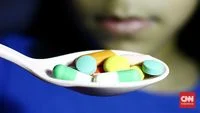
The Indonesian Food and Drug Authority (Badan Pengawas Obat dan Makanan, or BPOM) has intensified its nationwide market surveillance, uncovering a widespread public health hazard involving illicit traditional medicines and health supplements. In its routine and targeted oversight operations conducted between May and June 2026, regulatory authorities seized 31 illegal products categorized as Obat Bahan Alam (OBA) or traditional medicines and Suplemen Kesehatan (SK) or health supplements. This alarming discovery highlights an ongoing illicit manufacturing trend where unscrupulous producers lace products marketed as "natural" and "hermione-fast acting" with potent pharmaceutical ingredients without clinical oversight, putting unsuspecting consumers at severe health risk.
The sweep revealed that an overwhelming majority of these seized goods—30 out of the 31 products—failed to meet regulatory compliance due to the covert addition of Bahan Kimia Obat (BKO), which translates to active pharmaceutical ingredients. Specifically, 28 traditional medicine products and two health supplements were found to contain hidden chemical drugs. Meanwhile, a solitary health supplement product failed critical microbiological purity standards, showing dangerous levels of bacterial and fungal contamination, including the presence of Escherichia coli.
Further compounding the regulatory violations, BPOM investigators uncovered deceptive packaging practices designed to evade law enforcement. Out of the total batch, 15 products brazenly displayed completely fictitious marketing authorization numbers (Nomor Izin Edar, or NIE), while another 16 items were entirely unregistered with the agency. Operating completely outside the legal framework, these products bypass mandatory pre-market evaluations, meaning they offer zero institutional guarantees regarding safety, therapeutic efficacy, or chemical and biological quality.
Deceptive Marketing Tactics and Hidden Chemical Dues
Illicit manufacturers of these dangerous products frequently deploy aggressive marketing strategies, targeting vulnerable demographics seeking quick, non-invasive remedies for chronic or lifestyle-related ailments. According to BPOM’s market analysis, the confiscated items were heavily promoted online and through direct-to-consumer channels with promises of swift healing and holistic restoration.
The purported health benefits advertised on the labels ranged widely: enhancing male sexual stamina and serving as unauthorized performance enhancers, alleviating joint pain, rheumatism, gout, skin rashes, and coughs, to promoting rapid weight loss or deliberate weight gain. Consumers, drawn in by the allure of botanical ingredients and natural healing, are often completely unaware that the rapid efficacy they experience is driven by hidden, high-dose pharmaceutical compounds.
Laboratory analyses performed by BPOM identified a concerning cocktail of active pharmaceutical ingredients illicitly blended into these botanical formulas. The chemical compounds discovered include sildenafil, a potent phosphodiesterase-5 inhibitor typically prescribed for erectile dysfunction; common analgesics and antipyretics like paracetamol and metamizole-adjacent compounds; antifungal agents such as miconazole and ketoconazole; and anti-gout medications like allopurinol.
Additionally, investigators found powerful corticosteroids—including dexamethasone, prednisone, phenylbutazone, meloxicam, piroksikam, and sodium diclofenac—which carry severe side effects when used without a doctor’s guidance. Other detected chemicals included caffeine, chlorpheniramine maleate (an antihistamine), sibutramine (an appetite suppressant banned in many jurisdictions due to cardiovascular risks), and cyproheptadine hydrochloride.
Comprehensive List of Confiscated Products
To protect public health and ensure absolute transparency, BPOM has publicly released the complete roster of the 31 illegal products identified during the May–June 2026 surveillance window:
- Tangkur Cobra – positive for sildenafil.
- Tangkur Black Cobra – positive for sildenafil.
- Kopi Joss – positive for sildenafil.
- Kapsul Stamina dan Tahan Lama cap Beruang Putih – positive for paracetamol and sildenafil.
- Urat Naga Extra Strong – positive for sildenafil.
- Africa Black Ant – positive for sildenafil.
- Bima Strong – positive for sildenafil.
- Obat Kuat dan Tahan Lama Jaguar Platinum – positive for sildenafil.
- Huatuobaifuling – positive for miconazole and ketoconazole.
- Daun Madu Hitam – positive for paracetamol.
- Kapsul Samulin – positive for allopurinol.
- Montalin – positive for dexamethasone.
- Jamu Industri Cap Tiga Anak – positive for caffeine.
- Tawon – positive for meloxicam.
- Kapsul Panjang Umur Antanan – positive for paracetamol, phenylbutazone, dexamethasone, and prednisone.
- Kapsul TCU Ramuan Tradisional – positive for paracetamol, dexamethasone, prednisone, and phenylbutazone.
- Bugarin – positive for meloxicam, paracetamol, and dexamethasone.
- Surya Sehat – positive for piroxicam.
- Daun Tapak Liman – positive for paracetamol and dexamethasone.
- Urat Banteng – positive for sildenafil citrate.
- Ginseng Plus Asam Urat + Nyeri Tulang (Pegal Linu) – positive for paracetamol.
- Chong Chao Zhi Ke Wang Capsule – positive for chlorpheniramine maleate.
- Nofat – positive for sibutramine HCl.
- Tawon Wantong – positive for caffeine, meloxicam, and dexamethasone.
- Samuraten – positive for meloxicam and dexamethasone.
- Shen Ling Asam Urat – positive for paracetamol.
- Daun Afrika Asam Urat – positive for paracetamol.
- Asam Urat-Nyeri Sendi-Sakit Gigi – positive for paracetamol and sodium diclofenac.
- Day’s Slim Pelangsing – positive for caffeine.
- Vitamin Gemuk By E Skin – positive for cyproheptadine HCl.
- Moringa Rosabella – failed microbiological standards (total plate count, mold-yeast count, and Escherichia coli contamination).
Severe Health Implications and Clinical Risks
The clandestine inclusion of active pharmaceutical ingredients in over-the-counter herbal preparations introduces profound, unpredictable medical risks. When consumers ingest these products, they do so blindly, entirely unaware of the exact chemical dosage they are absorbing or the potential for catastrophic drug-drug interactions.
For instance, sildenafil is a prescription-only drug designed strictly for adult men under specific cardiovascular assessments. Unmonitored intake—especially among individuals with underlying hypertension, coronary artery disease, or those concurrently taking nitrates—can trigger dangerous drops in blood pressure, heart attacks, or strokes.
Similarly, the unprescribed inclusion of potent corticosteroids like dexamethasone and prednisone poses multi-systemic health threats. Prolonged, unsupervised usage can lead to Cushing’s syndrome, fluid retention, severe gastrointestinal bleeding, immunosuppression, and adrenal suppression. Non-steroidal anti-inflammatory drugs (NSAIDs) such as meloxicam, piroxicam, and sodium diclofenac, when consumed outside a physician’s care, drastically elevate the risk of peptic ulcers, renal damage, and cardiovascular events.
Furthermore, products failing microbiological thresholds—such as Moringa Rosabella, which tested positive for Escherichia coli—pose immediate gastrointestinal hazards. Bacterial pathogens can induce acute food poisoning, severe diarrhea, dehydration, and systemic infections, particularly in vulnerable populations such as the elderly, pregnant women, and young children.
Official Response and Regulatory Enforcement
Addressing the media, BPOM Head Taruna Ikrar underscored the agency’s zero-tolerance stance toward manufacturers who prioritize commercial gain over consumer safety. He emphasized that traditional medicines and health supplements must remain strictly free of synthetic chemical additives and conform rigorously to established safety benchmarks.
"Products classified as traditional medicines and health supplements must not contain chemical drugs, and they are legally mandated to fulfill strict safety and quality requirements. The addition of pharmaceutical chemicals and the distribution of products failing microbiological standards represent critical violations of public safety laws," stated Taruna Ikrar. "We urge the public not to be easily deceived by claims of natural ingredients, instant therapeutic effects, or exaggerated promotional campaigns."
As an immediate response to these findings, BPOM has deployed specialized enforcement teams to trace the supply chains and manufacturing origins of the illicit merchandise. The agency has ordered widespread product recalls and the systematic destruction of all physical stock linked to the 31 identified items.
In the digital sphere, regulatory watchdogs have coordinated with communication platforms and e-commerce administrators to execute rapid takedowns of online storefronts, social media listings, and digital ads marketing the blacklisted formulas.
Legal Consequences and Future Vigilance
Operating illicit pharmaceutical and traditional medicine networks carries severe legal consequences under Indonesian jurisdiction. Perpetrators found guilty of manufacturing or distributing adulterated, unapproved, or hazardous health products face severe penal sanctions.
Under the provisions of Article 435 in conjunction with Article 138 paragraphs (2) and (3) of Law Number 17 of 2023 concerning Health, violators face criminal penalties of up to 12 years in prison, financial fines reaching a maximum of Rp5 billion, or both.
"BPOM will maintain absolute firmness and provide no leeway for business operators who deliberately manufacture or distribute illegal traditional medicines and health supplements, especially those containing hidden pharmaceutical chemicals or failing basic safety and quality standards," Taruna Ikrar concluded.
BPOM continues to advise consumers to adopt a proactive approach to personal healthcare safety. Citizens are encouraged to verify the validity of product registration numbers independently through official BPOM communication channels and mobile applications before making any purchases. Regulatory authorities stress that relying solely on product claims, aesthetic packaging, or unverified testimonials leaves consumers vulnerable to deceptive practices and preventable health emergencies.
Related posts: